

Review · CULTURAL & TRADITIONAL VILLAGE EXPERIENCES
Kigali: Traditional Coffee Experience ( Bean to Brew)
Coffee tastes better after you make it. This Kigali activity takes you from coffee fruit to finished drink through picking, processing, roasting, pounding, and tasting. I like the hands-on work and the chance to learn from local guides rather than simply watching a demonstration. I also like that the activity supports Umurishyo Arts Gallery and community projects.
The main thing to keep in mind is that this is not always a visit to a remote coffee plantation. The meeting point is Umurishyo Arts Gallery, a cultural center in the city, and much of the activity happens there. Some sessions include picking fresh coffee beans, but if you want a full farm visit, confirm the exact plan before booking.
- Coffee from fruit to cup: Take part in the steps that turn coffee cherries into a drink.
- Two roasting traditions: Compare traditional roasting with a more modern method.
- Tasting with local character: Try local blends, including black coffee and coffee prepared with ginger.
- More than coffee: Learn about Rwandan music, dance, crafts, traditional life, and games such as Igisoro.
- Community-minded setting: Money from the center helps local businesses and supports an NGO project linked to children’s education.
- Flexible booking: The activity costs $50 per person, lasts 150 minutes to 3 hours, and allows cancellation up to 24 hours before the start.
In This Review
- Starting at Umurishyo Arts Gallery
- Picking and Processing the Coffee Fruit
- Traditional Roasting, Pounding, and Brewing
- Black Coffee, Ginger, and Local Blends
- The Cultural Center Adds Real Depth
- How Long the Activity Really Takes
- Is $50 a Fair Price?
- Who Will Enjoy This Most?
- Small Details That Improve the Visit
- Should You Book the Kigali Coffee Experience?
- FAQ
- Where does the coffee experience meet?
- How long does the activity last?
- Does the price include transportation?
- What does the $50 price include?
- Will I visit a coffee plantation?
- What languages are available?
- Can I cancel for a refund?
- Is the activity suitable for people with food allergies?
Starting at Umurishyo Arts Gallery

You begin at Umurishyo Arts Gallery in Kigali Province. This is not just a signpost for the coffee activity. It is a cultural center, art space, and meeting place where coffee is connected to everyday Rwandan life.
The setting matters. You are not only learning how beans are processed. You can also see local crafts and hear about music, dances, traditional customs, and past ways of life. One guide, Gilbert, is especially good at linking the coffee-making steps with the wider culture presented at the center.
The welcome may include drums, which gives the start a lively local touch without turning the activity into a staged show. If you arrive ready to take part, the opening feels more personal than a standard city tour.
You may also meet different members of the center’s team. Past sessions have been led by John, Deborah, Gilbert, and Chaplan, among others. Their styles may vary, but the shared strength is patience. The process is explained carefully, which helps when you are handling coffee fruit and tools for the first time.
Picking and Processing the Coffee Fruit

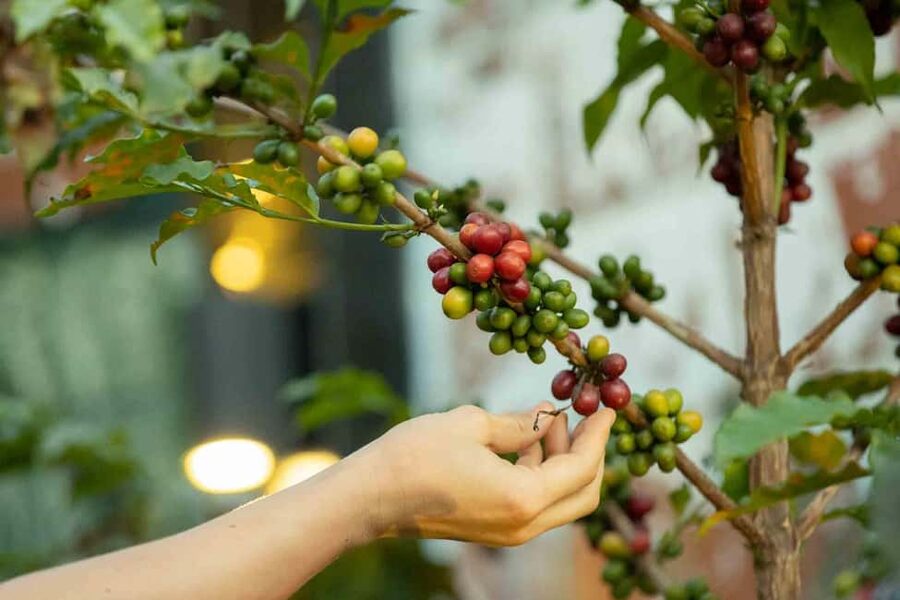
The coffee story begins with the fruit itself. You may be shown fresh coffee cherries and, in some sessions, take part in picking them. This is useful because most coffee drinkers meet the bean only after it has been dried, roasted, ground, and packaged.
Here, you get to see that coffee begins as a fruit. The early steps can include opening the fruit and working through the preparation of the beans. The guides explain how the raw material changes before it is ready for roasting.
This part is simple, but it gives the rest of the session its purpose. When you later drink the coffee, you understand that the cup represents several stages of manual work. It also gives you a clearer sense of why coffee production takes time and care.
There is one practical point to watch. The description of the activity presents a field-to-cup journey, but several sessions have taken place at the city-based cultural center rather than on a large plantation. One person did pick fresh beans, while another specifically noted that the group did not drive to a coffee plantation. If seeing a working farm is important to you, ask for clarification before you pay.
More cultural experiences in Kigali:
- Kigali: Mount Kigali and Cultural Village Tour with Snacks
★ 4.8 · 62 reviews - Kigali: Traditional Basket Weaving in a Garden
★ 4.8 · 41 reviews - Kigali: Choose Your Traditional Craft Experiences
★ 5.0 · 18 reviews
Traditional Roasting, Pounding, and Brewing
The most memorable part for many people is the hands-on preparation. You do not merely watch coffee being roasted. You help with the work.
The traditional method can involve roasting the beans, pounding them, and preparing them for brewing. These steps take patience and a little effort. You may feel unsure at first, especially when you realize that making coffee by hand is slower than dropping a capsule into a machine. That is part of the lesson.
The activity also introduces a modern roasting method. Comparing the two gives you a practical way to understand how equipment changes the work. Traditional roasting feels tied to older household customs, while the modern technique shows how the same basic product can be handled with greater control and speed.
I recommend rolling up your sleeves and joining in at every stage. One useful tip is not to hold back during the first steps. It can feel intimidating when you are unsure whether you are doing things correctly, but the guides are there to help. You get more from the session when you roast, pound, and brew rather than standing at the edge with a camera.
The coffee you prepare is not just a prop. You drink it at the end. That small detail gives the work a satisfying finish because you can connect the taste with the effort that came before it.
Black Coffee, Ginger, and Local Blends
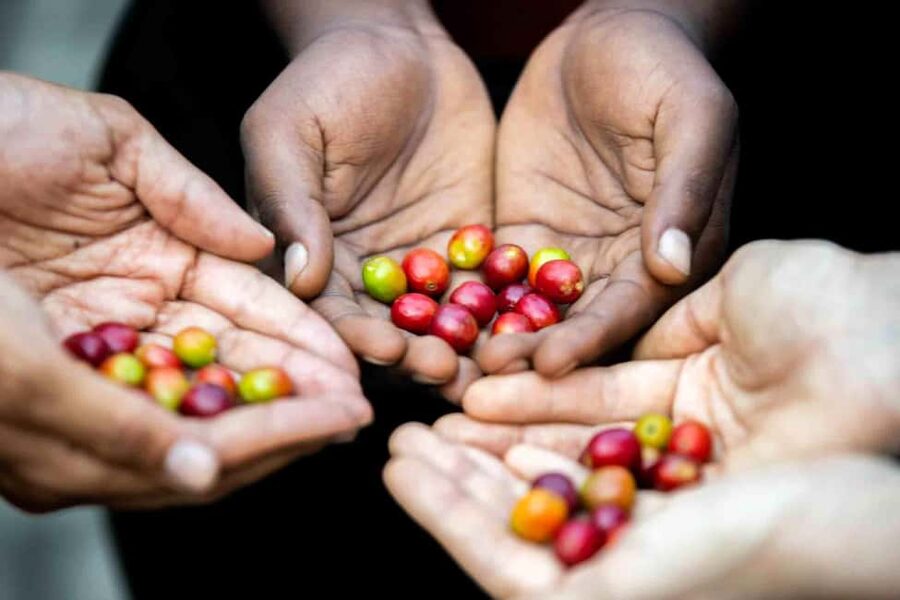
The tasting takes place in a Kigali coffee shop or within the center’s coffee setting, depending on the session. You try local blends and learn how the preparation affects the final cup.
Black coffee is part of the tasting, and ginger coffee has also been served. The ginger version adds a local flavor note and gives you a different way to think about coffee beyond the usual milk, sugar, or espresso format.
You may taste coffee made from the beans you helped process, along with other local preparations. The guides use this time to discuss the character of Rwandan coffee and answer questions about the steps you have just completed.
Do not expect a large formal tasting flight with printed notes and technical scoring. This is a personal, educational tasting tied to the cultural center. The reward is the connection between the drink and the people who prepared it.
The conversation is part of the value. You can chat with the owner and the team, ask about coffee customs, and learn why the center was created. The session works best when you treat the tasting as a conversation rather than a quick sample at the end.
The Cultural Center Adds Real Depth
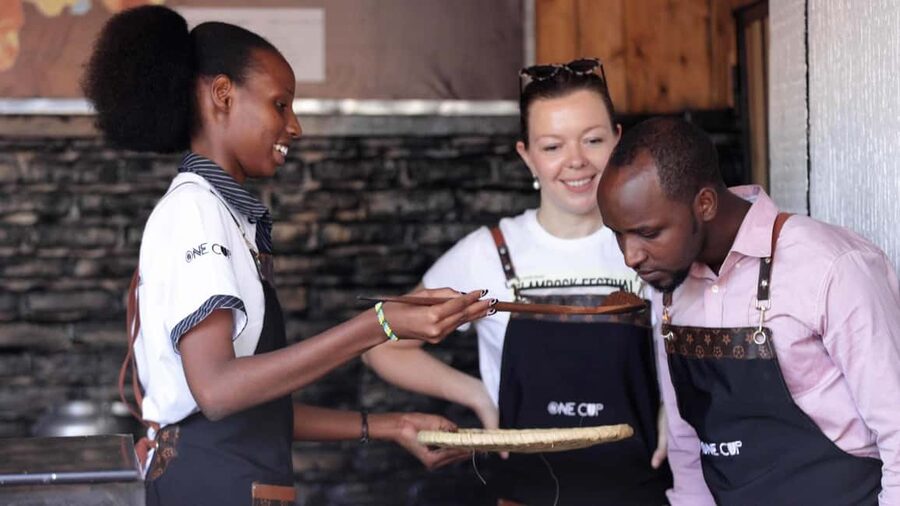
Coffee alone could fill two hours, but Umurishyo Arts Gallery gives the activity a wider purpose. The center sells artisan crafts made by children connected with its community work. The money earned helps support an NGO project and efforts to get children off the streets and back into school.
That does not mean you should book the activity only as a donation. You are still paying for a guided, participatory coffee session. But the connection to local work makes the $50 price easier to understand, especially if you value activities that keep money with a local center rather than sending it through a large outside operator.
You may also learn about traditional games. One session included Igisoro, a Rwandan board game, and another included football at the center. These details are not guaranteed parts of every scheduled coffee session, but they show how the visit can open into a broader cultural exchange.
Chaplan has also shown a participant around Kimironko Market. That market visit is not listed as a standard part of the coffee activity, so do not book this expecting it. Still, it suggests that the team may be willing to share more of Kigali when time and arrangements allow.
More coffee experiences in Kigali:
- Specialty Coffee Masterclass
★ 5.0 · 33 reviews - Women-led Coffee Farm Trek
★ 5.0 · 19 reviews - Full Day Shared Akagera Safari Tour with Lunch and Coffee
★ 5.0 · 15 reviews - Rwandan Coffee Experience
★ 5.0 · 10 reviews
How Long the Activity Really Takes
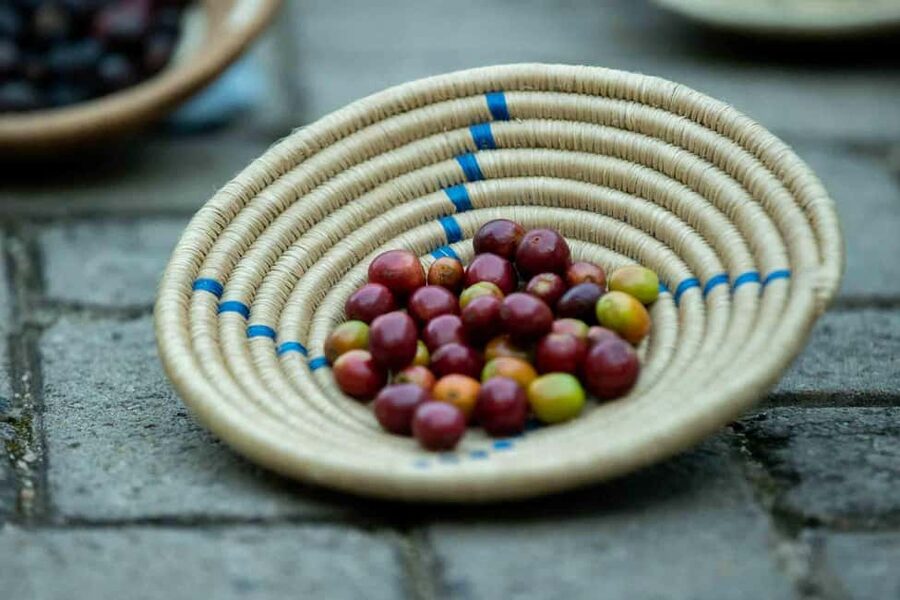
The stated duration is 150 minutes to 3 hours. That range is worth noting because the session can be more than a fixed demonstration. Processing coffee by hand, talking with the team, tasting, and seeing the cultural center all take time.
If you have a tightly packed Kigali schedule, allow the full three hours. You should also allow extra time to reach the meeting point because transportation is not included. The activity begins at Umurishyo Arts Gallery, so you need to arrange your own way there.
The longer version may suit you if you enjoy conversation and cultural activities. The shorter version may work better if you mainly want the coffee-making steps. Since the actual duration can vary, check the available start times and expected length when booking.
The activity is offered in English, French, and Swahili. That makes it accessible to a broad range of visitors, though you should select or confirm the language you need when arranging your place.
Is $50 a Fair Price?
At $50 per person, this is not the cheapest coffee stop in Kigali. You are paying for more than a drink, though. The fee covers a guided cultural visit, coffee processing, traditional and modern roasting, a tasting, local instruction, and support for the center’s community work.
The value is strongest if you want to participate. If you only want to sit down for a cup of Rwandan coffee, a regular café will cost less and take less time. If you want to understand how coffee is prepared and meet the people behind the center, the price is more reasonable.
The community element also matters. The center’s income supports local business activity and an NGO effort connected with children’s schooling. You can also buy artisan crafts made by the children linked to that work, giving you another way to support the project.
I would view the price as fair for a small, personal activity, especially if you use the whole session. The value drops if you expect a large agricultural tour, extensive plantation travel, or a polished professional tasting with many formal samples. Those are not the main strengths here.
Who Will Enjoy This Most?
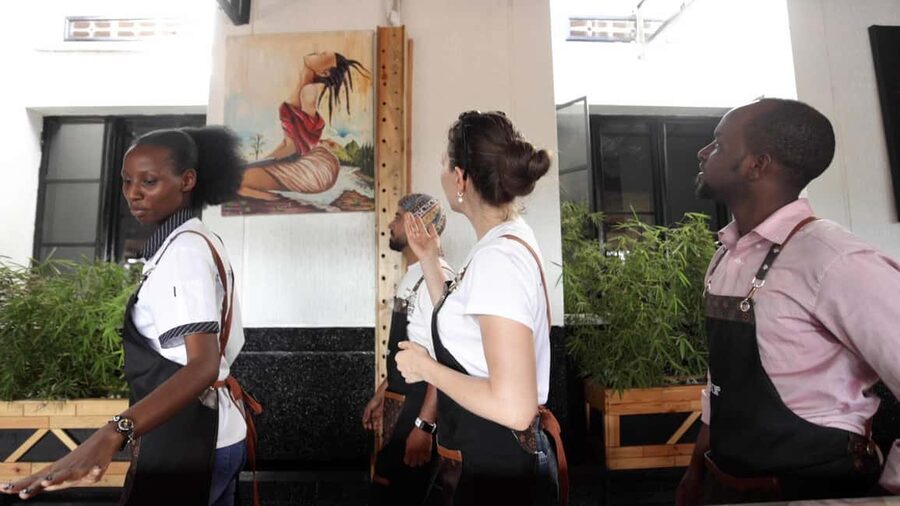
I would recommend this activity to coffee lovers who want to understand what happens before the first sip. You will appreciate it most if you are willing to handle the beans, try the roasting, and join the conversation.
It also suits anyone interested in Rwandan culture. The music, dances, crafts, traditional life, and Igisoro game make it more varied than a standard coffee class. You do not need to be an expert. The guides explain the process patiently, and beginners are welcome to ask questions.
Families and couples may enjoy the activity because the work is shared and practical. Solo visitors can also fit in well, especially if they like meeting local people and making time for conversation.
This is less suitable if you have food allergies. The activity includes coffee tasting and is specifically listed as unsuitable for people with food allergies. You should also think twice if you want an outdoor plantation tour above all else.
Small Details That Improve the Visit
Come prepared to take part. The best sessions are not passive. Roast the beans, help with the pounding, ask questions, and taste what you helped prepare.
Give yourself enough time. The activity may last three hours, and the conversations at the center can continue after the coffee portion. One participant stayed longer to learn about traditional life and play football, but extra time is not guaranteed.
Bring transport plans for Umurishyo Arts Gallery. Getting to the meeting point is not included in the $50 fee.
If you care about supporting local work, leave time to look at the crafts. They add a direct, practical way to support the center beyond the booking itself.
The activity has a 4.8 rating from 54 reviews, with especially strong praise for the friendly guides, clear explanations, patient instruction, and hands-on format. Specific guides such as Deborah, John, Gilbert, and Chaplan have been warmly received, though the person leading your session may be different.
You can cancel up to 24 hours ahead for a full refund, and the reserve-now, pay-later option keeps your plans flexible. These policies are useful if your Kigali schedule is still changing.
Should You Book the Kigali Coffee Experience?
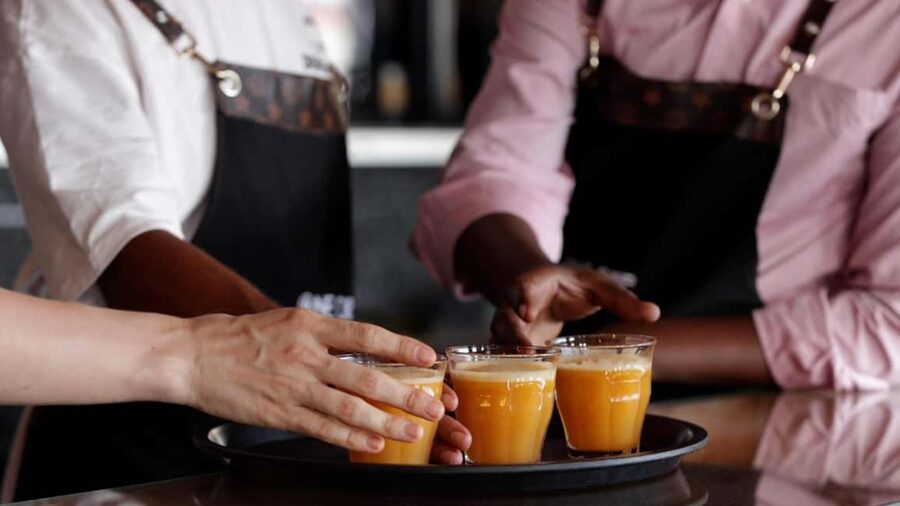
Book it if you want to make coffee rather than simply drink it. The roasting, pounding, brewing, and tasting create a clear beginning-to-end story, while the arts center adds music, crafts, games, and community connections.
I would book this as a Kigali cultural activity with coffee at its center, not as a guaranteed plantation excursion. Ask about the exact field component before booking if fresh picking and farm scenery are essential to you.
For $50, you receive the best value when you stay curious, join every step, and give the guides time to explain the work. If that sounds like your kind of afternoon, this is a thoughtful and unusually personal choice.
FAQ
Where does the coffee experience meet?
The meeting point is Umurishyo Arts Gallery in Kigali Province, Rwanda.
How long does the activity last?
The duration is listed as 150 minutes to 3 hours. Starting times and the exact length depend on availability.
Does the price include transportation?
No. Transportation to the meeting point is not included.
What does the $50 price include?
The price includes a guided coffee activity, coffee field or coffee-related instruction at the center, traditional and modern roasting, an exclusive tasting, cultural information, and support for local businesses and communities.
Will I visit a coffee plantation?
Not necessarily. Some sessions include picking fresh coffee beans, but the activity often takes place at Umurishyo Arts Gallery in the city. Confirm the exact plan if a plantation visit is important to you.
What languages are available?
Instruction is available in English, French, and Swahili.
Can I cancel for a refund?
Yes. You can cancel up to 24 hours in advance for a full refund.
Is the activity suitable for people with food allergies?
No. The activity is listed as unsuitable for people with food allergies because it includes coffee tasting and food-related participation.
Just added around Kigali
- Kigali City Tour and Sightseeing★ 5.0 · 3 reviews
- Home staying experience★ 5.0 · 3 reviews
- 3-Day Rwanda Gorilla Safari★ 4.5 · 3 reviews
- 2 Days Gorilla Trekking Rwanda★ 5.0 · 3 reviews
- 1 Day Rwanda Gorilla Trekking★ 5.0 · 3 reviews
- Kigali: Traditional Carpet Weaving (Ikirago) + amazing views★ 5.0 · 3 reviews
- Kigali: Guided City Tour let us learn, enjoy together ❤️★ 3.6 · 3 reviews
- 1 Day Gorilla Trekking Safari in Rwanda Volcanoes National Park★ 5.0 · 3 reviews
Cultural & Traditional Village Experiences, compared.
Mount Kigali and Cultural Village Tour with Snacks
Read our review →
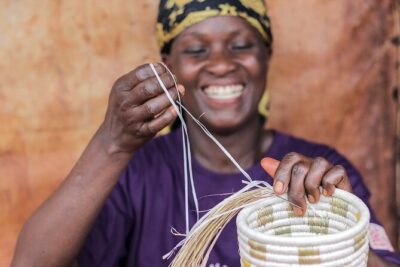
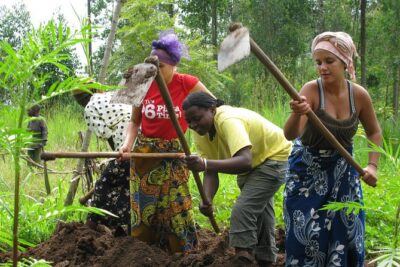
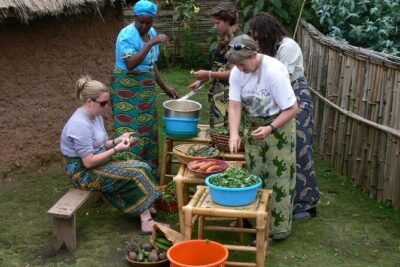

One Day Gorilla Trekking Rwanda & Iby’iwacu Cultural Village
Read our review →
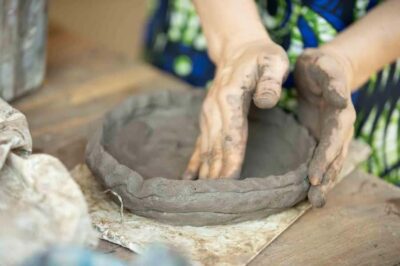
Traditional Kubumba Pottery Making with Local Women
Read our review →Browse the lists this tour appears in