
Review · COFFEE EXPERIENCES
Rwandan Coffee Experience
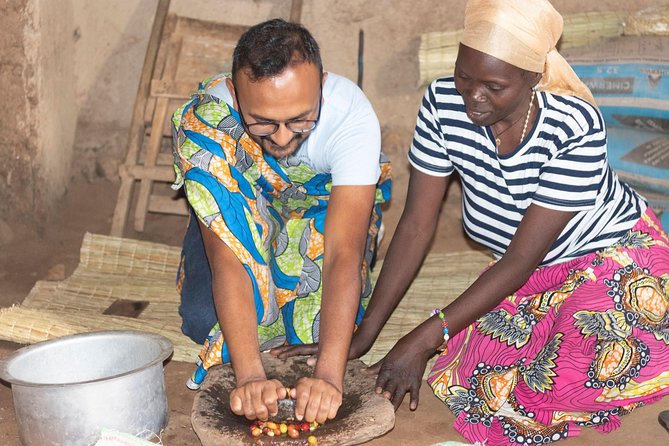
Coffee tastes better when you make it yourself. This Rwandan coffee experience takes you from Kigali toward a village near Muhanga, where you pick coffee cherries, wash and pulp them, help with a household task, eat a local lunch, and roast and grind the beans by hand. I like the hands-on work and the chance to spend time with a Rwandan family rather than simply watching a staged demonstration.
I also like that the price includes lunch, drinks, a local guide, a tour host, gratuities, and transport from Muhanga town to the village. The main point to consider is transport from Kigali: it is not included in the standard price, though it can be arranged for an added charge. The day also involves uneven surfaces and moderate physical activity.
In This Review
- Key points to know before you book
- Why this coffee tour feels different
- Starting at NR1 in Gitarama
- The drive from town to the village
- Picking coffee cherries by hand
- Choosing between water collection and kitchen work
- Washing and pulping the coffee cherries
- A local Rwandan lunch with time to talk
- Hand roasting and grinding the dried coffee
- What the $90 price really covers
- Who will enjoy this best
- Practical planning for a smoother day
- Should you book the Rwandan Coffee Experience?
- FAQ
- Where does the Rwandan Coffee Experience begin?
- Is transportation from Kigali included?
- What transportation is included?
- How long does the experience take?
- What coffee activities are included?
- Is lunch included?
- Is this a private activity?
- How many people are required to book?
- Can I cancel for a full refund?
Key points to know before you book
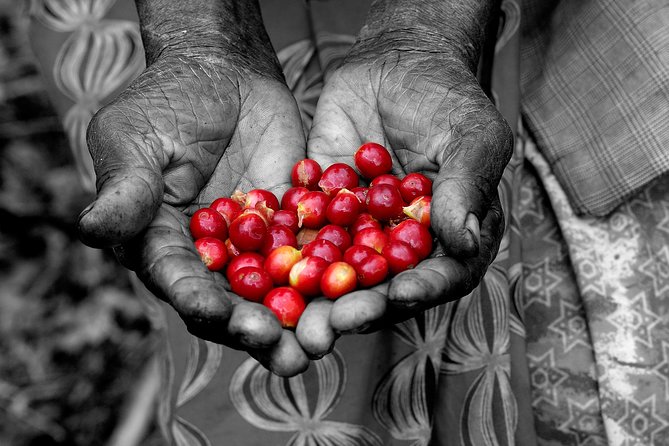
- You make the coffee from plant to cup: Pick cherries, wash and pulp them, dry them, roast the beans, and grind them by hand.
- The village visit is the heart of the day: You spend time with local hosts and share the food the family normally prepares.
- A household task is part of the experience: After harvesting, you can fetch water or help in the kitchen.
- The price covers more than a tasting: Lunch, bottled water, coffee or tea, guides, gratuities, and transport from Muhanga are included.
- Plan for a long day: The experience takes about five to eight hours, with the meeting point at NR1 in Gitarama, also called Muhanga.
- This is a private activity: Only your group participates, and at least two people must book together.
Why this coffee tour feels different
Many coffee activities stop at a plantation talk and a cup poured at the end. This one asks you to take part in the work. You learn how to spot ripe coffee cherries, harvest them, wash them, remove the pulp, and prepare them for drying.
That sequence gives you a better sense of how much labor sits behind an ordinary morning coffee. You are not simply told that coffee takes effort. You handle the fruit and take part in several stages before the beans are ready for roasting.
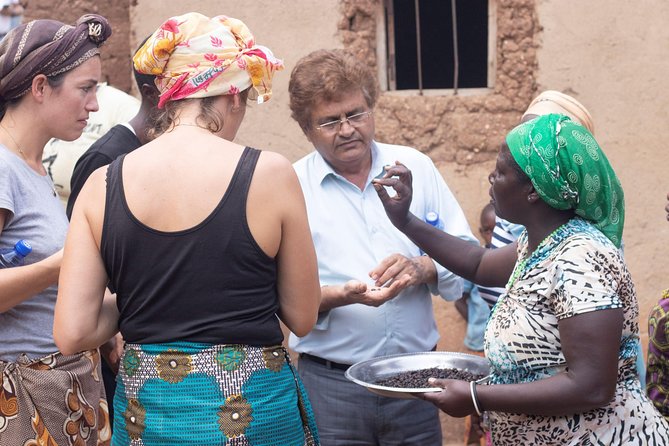
The personal contact matters just as much. Lunch is based on the food the family would normally eat, and you have time to ask about daily life in the community. The experience is built around conversation and shared work, not a quick photo stop.
The company running the activity is Azizi Life, an organization also connected with local artisans and community experiences. The day begins with a briefing, then continues with a drive out to the village. At the village, you are welcomed and given suitable clothing before heading to the coffee plants.
One especially useful detail comes from the experience of a guide named Bona, who has led this day for visitors. If you are able to request or confirm your guide in advance, asking if Bona is available may be worthwhile, though guide assignments are not guaranteed.
More coffee experiences in Kigali:
- Kigali: Traditional Coffee Experience ( Bean to Brew)
★ 4.8 · 54 reviews - Specialty Coffee Masterclass
★ 5.0 · 33 reviews - Women-led Coffee Farm Trek
★ 5.0 · 19 reviews
Starting at NR1 in Gitarama
The listed meeting point is NR1 in Gitarama, now commonly called Muhanga. This is important because the advertised $90 price does not include transport from Kigali. It does include return transport between Muhanga town and the village.
If you are staying in Kigali, ask Azizi Life to arrange transportation before you book or as soon as possible after booking. An additional charge applies. One account of the experience included pickup from an apartment, but you should not assume that Kigali pickup comes with the standard rate.
The day begins with a briefing. This is the time to confirm the plan, understand the village visit, and ask about the return schedule. The activity is listed as starting between 8:00 and 11:00 in the published opening information, so confirm your exact start time carefully.
The total duration is roughly five to eight hours. That is a broad range, but it makes sense for an activity that includes driving, harvesting, food preparation or water collection, lunch, and coffee processing. I would keep the rest of your day fairly open.
The drive from town to the village
The drive is part of the change in setting. You leave the town meeting point and head toward a village where coffee is grown and household work remains part of daily life.
The supplied information describes the drive as beautiful, but it does not give a fixed route or a list of roadside stops. I would think of it as transport to the main activity rather than a separate sightseeing tour.
On arrival, your hosts welcome you and provide appropriate attire. That small step helps set the tone. You are not arriving as a spectator for a few minutes. You are preparing to work alongside the people who host the visit.
The village setting also means you should expect uneven ground. Wear practical shoes and clothing that can handle walking and hands-on work. A moderate level of physical fitness is recommended, and children must stay with an adult.
Picking coffee cherries by hand
At the coffee plants, you learn how to select the right cherries. The lesson is simple but useful: coffee harvesting is not just a matter of stripping every fruit from a branch.
You then pick the cherries yourself. This is the most direct way to understand the first stage of coffee production. The activity connects the finished drink with the plant, the harvest season, and the people doing the work.
I like this part because it gives you something concrete to do. It also prevents the visit from feeling like a lecture. Your guide explains the process, then you put the explanation into practice.
The amount of coffee work you do may depend on the season and the conditions that day. The experience promises harvesting and processing, but it does not specify how much coffee you will collect or how long you will spend in the fields.
A different idea for another day in Rwanda:
- Kigali City Tour
★ 5.0 · 452 reviews - Kigali: Walking Tour with a Local Guide
★ 4.9 · 234 reviews - One-day Akagera National Park Game Drive with a Choice 4×4
★ 5.0 · 105 reviews - Private Full-day Kigali City Tour with Pickup and Lunch
★ 5.0 · 79 reviews
Choosing between water collection and kitchen work
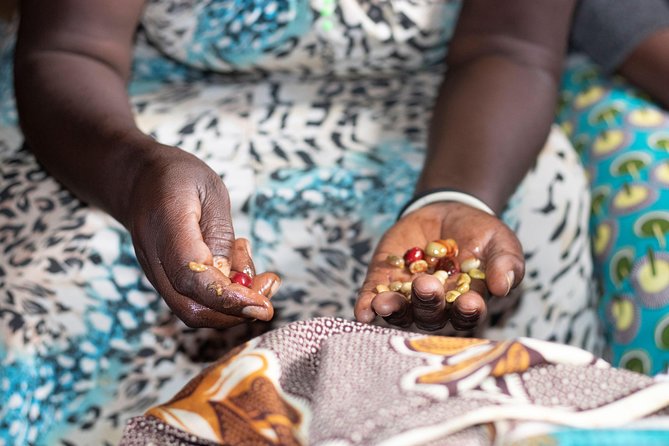
After harvesting, you can fetch water or help prepare food in the kitchen. This choice adds a useful human detail to the day.
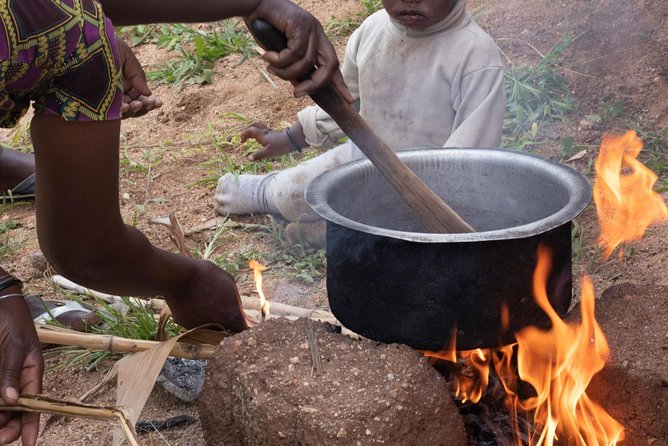
Fetching water shows you one of the practical jobs connected with household life. Kitchen preparation gives you another way to work with your hosts. Neither option is presented as a performance. You are taking part in a normal task, with guidance from the people who live there.
This is also a good point to think about your own comfort. If you have physical limitations, ask the host what the water collection involves before choosing it. If you prefer a less demanding task, kitchen preparation may suit you better, though the available choice can depend on the family’s plans.
The experience does not promise that every visitor will do both activities. You choose one after the coffee harvesting, so you should treat this as a real household option rather than a checklist of two included attractions.
Washing and pulping the coffee cherries
Once you have collected the cherries, you wash and pulp them. This is where the fruit begins its change into the coffee bean you recognize.
You leave the processed coffee out to dry. The description does not give a fixed drying period, so you should understand this as part of the preparation rather than a wait until the coffee is fully dry during your visit.
That may sound like a small distinction, but it matters. You will take part in the process and see the coffee set out for drying, yet the full journey from fresh cherry to finished roasted bean takes longer than one day. The activity gives you a clear working sample of that process, not a complete commercial production cycle from start to finish.
A local Rwandan lunch with time to talk
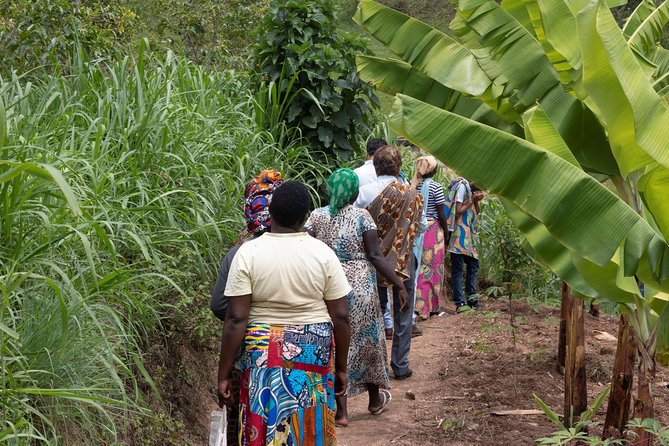
Lunch is included and consists of the kind of food the family would normally eat. This is one of the strongest parts of the experience because food gives you a natural way to talk with your hosts.
You can ask about life in the community, the work connected with coffee, and the routine of the household. The conversation is not limited to farming techniques. It is your chance to understand the people behind the crop.
I value this part more than a restaurant meal because it links the day’s work with daily life. You have already helped with harvesting and processing, so lunch feels connected to the place rather than added as a separate tourist service.
Coffee or tea and bottled water are included. The information does not list a detailed menu, so tell the provider about any dietary needs when arranging the visit. Do not expect a Western menu or a choice of several restaurant-style dishes. The appeal is the family meal and the setting.
Hand roasting and grinding the dried coffee
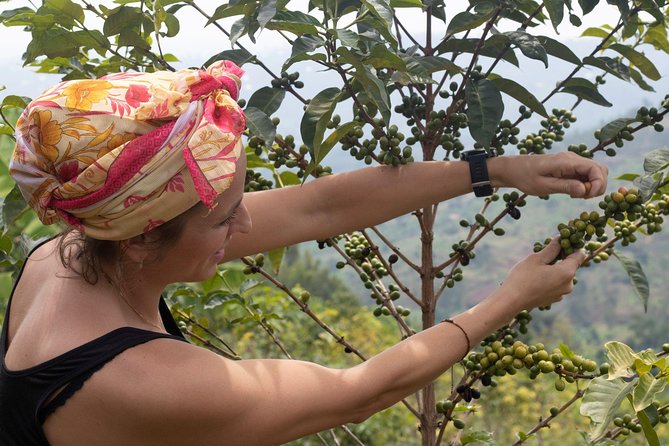
After lunch, you roast and grind dried coffee by hand. This is the payoff, but it is not the only reason to go.
Roasting shows how much the smell, color, and character of coffee change with heat. Grinding by hand adds another layer of effort before the drink reaches your cup. The process is slower than using modern equipment, which is exactly why it helps you notice the work involved.
You finish with coffee and, depending on the plan, tea as well. The supplied details do not specify the exact brewing method or how much coffee you take home, so ask if that matters to you.
The coffee tasting is likely to feel more satisfying because you have handled earlier stages yourself. Still, you should not book this as a specialist coffee class. The focus is cultural contact and practical participation, not technical training in roasting profiles, cupping scores, or professional brewing.
What the $90 price really covers
At $90 per person, the experience is not the cheapest way to drink coffee in Kigali. You are paying for a full private activity, local hosting, transport from Muhanga to the village and back, lunch, drinks, guides, gratuities, and several hours of participation.
That makes the price easier to understand. The main cost is not the coffee itself. It is the time of the hosts and guides, the meal, the village visit, and the organization needed to bring a private group into a working community.
The private format is valuable if you want to ask questions at your own pace. Only your group takes part, so you are not folded into a large bus tour. It also makes the day a good fit for families or friends who want a shared activity.
Group discounts are available, but the supplied information does not give the discount amount. Ask for the exact price before booking. At least two people are required per booking, so this is not designed for someone traveling alone unless you arrange a second participant.
Who will enjoy this best
I would recommend this experience to you if you prefer meeting people and doing practical work over ticking off monuments. It suits coffee drinkers, families with older children, couples, and small groups who want a slower day outside Kigali.
It is also a good choice if you care about local economic connections. Your spending supports the guides, hosts, and community activity rather than going only toward a standard city attraction.
You may want to choose something else if you dislike uneven ground, household chores, or a flexible schedule. The experience includes moderate physical activity, and the day is long enough that it may feel tiring if you expect a short tasting.
Children can attend, but they must be accompanied by an adult. The child rate applies only when a child shares the activity with two paying adults. Confirm the exact child price before booking.
Practical planning for a smoother day
Start by confirming four details:
- The exact meeting time at NR1 in Gitarama or Muhanga
- The added cost and pickup plan from Kigali
- The name of your guide, if a preference such as Bona can be requested
- Any dietary needs for the family lunch
Bring comfortable clothing and shoes for uneven surfaces. You will be in the fields, handling coffee cherries, and possibly helping with water collection or kitchen preparation.
Keep water with you, even though bottled water is included. A small bag is easier to manage than luggage, and you may want space for an item from the gift shop. Gift shop purchases are not included in the price.
The activity has free cancellation up to 24 hours before the start time. Cancellations made less than 24 hours before the start are not refunded, and changes within that period are not accepted. The cut-off uses local Rwandan time.
Should you book the Rwandan Coffee Experience?
Book it if you want an active cultural day with real participation, local food, and time to talk with a Rwandan family. The strongest reasons to go are the complete coffee process, the small private format, and the lack of a purely transactional feel.
Think twice if you want a short coffee tasting, a polished farm presentation, or transport from Kigali included in the advertised price. The added transport cost and the long, somewhat flexible schedule are the main points to settle before paying.
With a 5 out of 5 rating from 10 published ratings and a 100 percent recommendation rate, the experience has a very strong record so far. The best booking strategy is simple: arrange Kigali transport, confirm the meeting time, and arrive ready to work a little. If that sounds like a good day to you, this is one of the more personal ways to connect a cup of coffee with the people and places behind it.
FAQ
Where does the Rwandan Coffee Experience begin?
It begins at NR1 in Gitarama, Rwanda. Gitarama is also referred to as Muhanga Town.
Is transportation from Kigali included?
No. Transportation from Kigali is not included in the standard price, but it can be arranged on request for an additional charge.
What transportation is included?
Return transport from Muhanga, also called Gitarama Town, to the village is included.
How long does the experience take?
The activity lasts approximately five to eight hours.
What coffee activities are included?
You learn to select and harvest coffee cherries, wash and pulp them, leave them to dry, then hand roast and grind dried coffee.
Is lunch included?
Yes. Lunch consists of local Rwandan food that the host family would normally eat.
Is this a private activity?
Yes. Only your group participates in the activity.
How many people are required to book?
A minimum of two people per booking is required.
Can I cancel for a full refund?
Yes, if you cancel at least 24 hours before the experience start time. Cancellations made less than 24 hours before the start are not refunded.
Just added around Kigali
- Kigali City Tour and Sightseeing★ 5.0 · 3 reviews
- Home staying experience★ 5.0 · 3 reviews
- 3-Day Rwanda Gorilla Safari★ 4.5 · 3 reviews
- 1 Day Rwanda Gorilla Trekking★ 5.0 · 3 reviews
- 2 Days Gorilla Trekking Rwanda★ 5.0 · 3 reviews
- Kigali: Traditional Carpet Weaving (Ikirago) + amazing views★ 5.0 · 3 reviews
- Kigali: Guided City Tour let us learn, enjoy together ❤️★ 3.6 · 3 reviews
- 1 Day Gorilla Trekking Safari in Rwanda Volcanoes National Park★ 5.0 · 3 reviews
Coffee Experiences, compared.

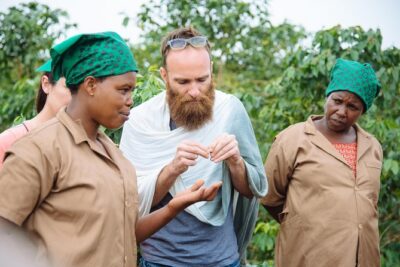

Full Day Shared Akagera Safari Tour with Lunch and Coffee
Read our review →Lake Kivu Trip with a Hike and Coffee plantation experience
Read our review →
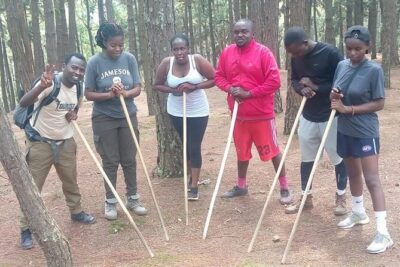
Local Community Tour(Cultural, Coffee,Village walk,Local food)
Read our review →Browse the lists this tour appears in