
Review · COFFEE EXPERIENCES
Women-led Coffee Farm Trek
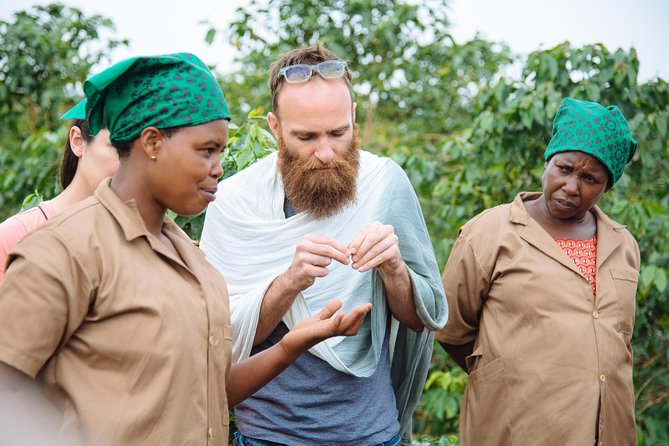
Coffee starts with a welcome song. This eight-hour outing from Kigali offers two things I value: a close look at women-led coffee production and a small group capped at 15 people. I also like that lunch is included, so the $150 price covers more than a quick farm visit.
The main consideration is the full-day commitment. You begin at 8:00 a.m. in Kigali, travel toward the coffee cooperative near Akagera National Park, and return to the same meeting point. If you want a short city activity, this is not it. If you want coffee, culture, and a clear look at how farming supports local women, it is a strong choice.
In This Review
- Key points to know before you book
- Why this coffee outing is worth a full day
- Starting at Question Coffee in Kigali
- Meeting the women farmers through song and dance
- Following coffee from cultivation to roasting
- Lunch at Urugo Eco-Lodge and the Women’s Opportunity Center
- The guide can shape the whole day
- Small-group size, timing, and comfort
- Who gets the most from this experience
- Booking advice and cancellation terms
- Should you book the women-led coffee farm trek?
- FAQ
- Where does the Women-led Coffee Farm Trek begin?
- What time does the tour start?
- How long does the experience last?
- Where does the tour end?
- How much does the tour cost?
- Is lunch included?
- How many people can join the tour?
- What will I learn about coffee?
- Can I visit the Women’s Opportunity Center?
- Can I cancel for a full refund?
Key points to know before you book
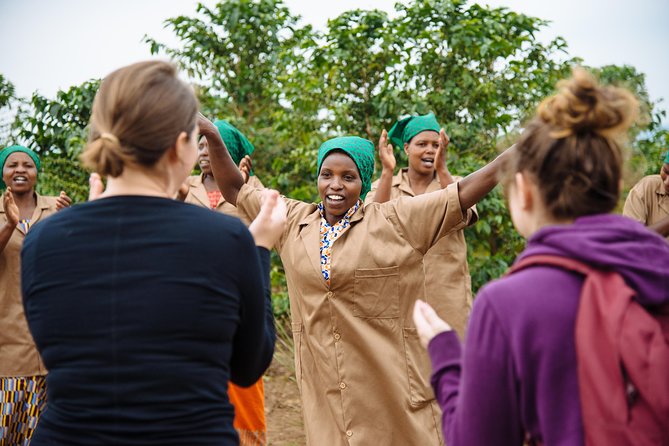
- The welcome is personal: Expect song, dance, laughter, and a warm greeting before the coffee lesson begins.
- You see the full coffee process: The visit covers cultivation, harvesting, washing, preparation, and roasting.
- The group stays small: A maximum of 15 people makes it easier to hear the guide and take part.
- Lunch is included: The meal at Urugo Eco-Lodge at the Women’s Opportunity Center helps make the long day feel worthwhile.
- The social purpose matters: You are visiting a coffee operation worked by female farmers, alongside a center that supports women’s opportunity and handicrafts.
- Book ahead: The experience is often reserved about 27 days in advance, so last-minute plans may be harder to arrange.
Why this coffee outing is worth a full day
Rwanda is known for delicate coffee flavors, but a tasting alone only tells you the last part of the story. This experience lets you follow the bean from the farm through the work that turns fruit into something you recognize in a cup.
I like that the focus is not only on coffee as a product. The women farmers and the Women’s Opportunity Center give the visit a clear human purpose. You get to see how farming, preparation, handicrafts, and community support fit together rather than simply stopping at a shop for a packaged souvenir.
The experience costs $150 per person. That is not a casual add-on, especially for independent visitors watching a daily budget. Still, the price includes about eight hours, a guided farm experience, lunch, and access to a small-group setting. The value is strongest if you would otherwise pay separately for transport, a cultural visit, and a food experience.
The tour is also recommended by every published rating supplied for it, with 19 five-star ratings. That does not mean every moment will suit every person, but it does point to a consistent strength: the welcome, the guide interaction, and the chance to take part rather than simply watch.
More Hiking Trips in Kigali:
- Mount Kigali Hike and Zipline Adventure Tour(Pick up &drop off)
★ 5.0 · 37 reviews - 3 Day Gorilla Trek at Bwindi National Park via Kigali
★ 5.0 · 32 reviews - 1 Day Rwanda Gorilla Trekking Tour In The Volcanoes National Park
★ 5.0 · 31 reviews
Starting at Question Coffee in Kigali
Your morning begins at Question Coffee Gishushu, at 8 KG 8 Ave in Kigali. The listed start time is 8:00 a.m., so plan to arrive ready for a full day rather than treating this as a flexible afternoon activity.
Question Coffee is a fitting meeting point because it puts you in the right frame of mind before the farm visit. One account of the experience describes coffee or tea at the start of the morning, followed by the drive toward the cooperative. The exact transport arrangement is not detailed, so you should confirm any pickup instructions when your booking is confirmed.
The ride out is part of the change in setting. You leave Kigali and head toward the coffee-growing area near Akagera National Park. A review describes the destination as Tuk CoOp, while the tour information identifies the women-led coffee farm and the Women’s Opportunity Center as the main setting. Together, these details suggest that the farm visit is tied to a working cooperative rather than a staged demonstration made only for tourists.
That distinction matters. You are not just hearing that coffee supports Rwanda’s economy. You can connect the statement to actual work: cultivating plants, harvesting beans, washing them, preparing them, and roasting them.
Meeting the women farmers through song and dance
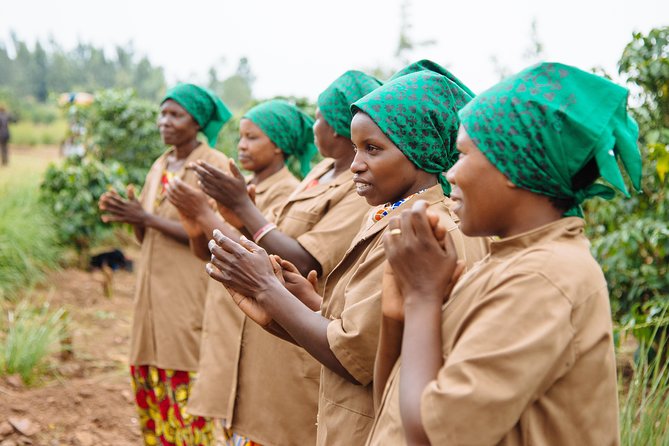
The arrival is one of the most memorable parts of the day. You may be greeted with song, dance, and laughter, and you should be ready to join in. This is not a silent walk into a processing room. The welcome sets a social tone and gives the visit a sense of exchange.
I appreciate that the greeting is described as participatory. You are not asked to remain at the edge while a presentation takes place. Joining the dance may feel outside your normal sightseeing routine, but that is part of the point. A coffee farm is a workplace and a community setting, not a museum exhibit.
The women-led focus also gives the experience more weight than a standard farm tour. The work is presented in connection with women’s empowerment, sustainability, and economic growth. Those are broad ideas, but here they are tied to practical tasks and a real cooperative.
You should keep your expectations grounded. The information does not promise a large formal lecture, a long tasting menu, or a fixed number of hands-on activities. What it does offer is access to the process and a direct welcome from the people connected to the work.
Following coffee from cultivation to roasting
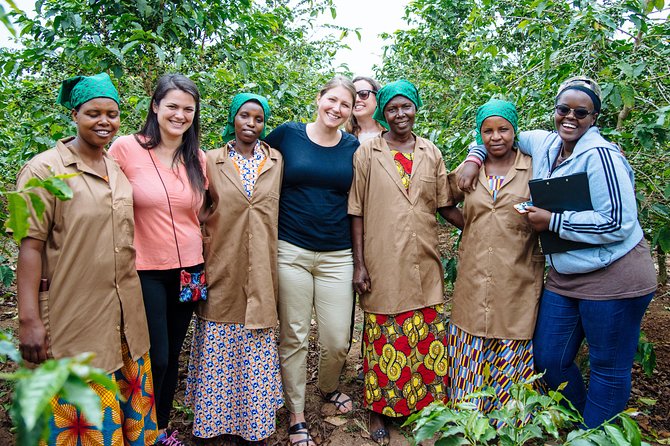
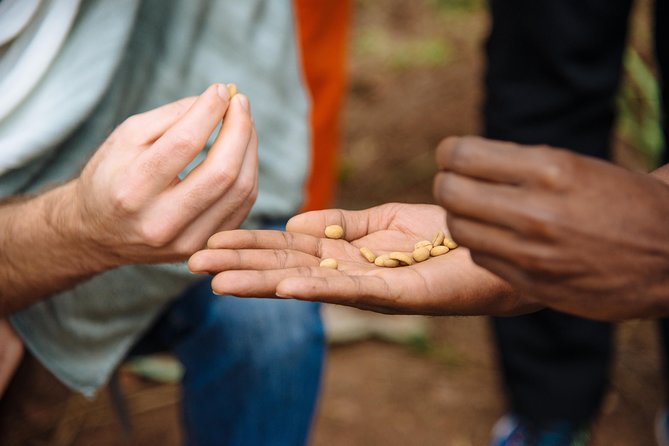
The central lesson covers the stages that are easy to miss when you buy a finished bag of coffee. You will learn about cultivation, harvesting, washing, preparation, and roasting. The order matters because each step affects what eventually reaches the cup.
Cultivation gives you the farming foundation. Coffee does not begin with a machine or a roasting drum. It begins with plants, time, care, and decisions made long before the beans are ready.
Harvesting shows the physical side of the work. The tour information does not specify the exact season or the precise method used on the day you visit, so you should not assume that every stage will be active in the fields during your date. Even so, the farm setting helps explain where the raw material comes from and how much work happens before processing.
Washing is another useful part of the lesson. It makes clear that coffee preparation involves more than picking and roasting. The beans need careful handling before they can be roasted and brewed.
The preparation and roasting stages bring the process back to something familiar. You begin with a crop and finish with your morning drink. That simple connection is the strength of the tour. After the visit, your next cup of coffee is likely to seem less anonymous.
One especially useful feature is that the experience appears to include coffee or tea before the main day gets moving. It is a small detail, but it gives you a taste of the final product before you learn how it is made.
More coffee experiences in Kigali:
- Kigali: Traditional Coffee Experience ( Bean to Brew)
★ 4.8 · 54 reviews - Specialty Coffee Masterclass
★ 5.0 · 33 reviews - Full Day Shared Akagera Safari Tour with Lunch and Coffee
★ 5.0 · 15 reviews - Rwandan Coffee Experience
★ 5.0 · 10 reviews
Lunch at Urugo Eco-Lodge and the Women’s Opportunity Center
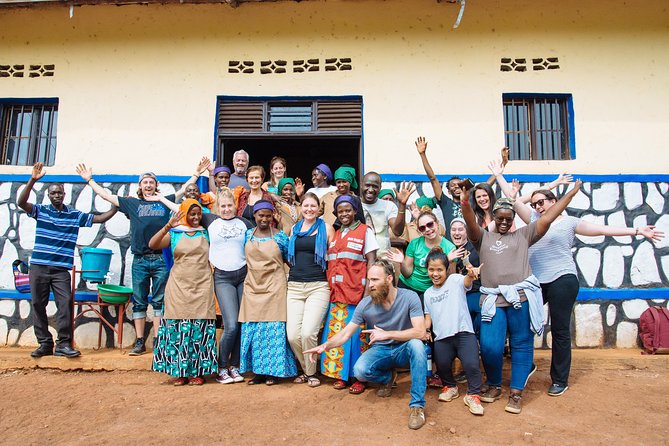
The itinerary includes a one-hour stop at Urugo Eco-Lodge at the Women’s Opportunity Center, with lunch and admission included. This is not just a scheduled meal inserted between activities. It gives you time to slow down after the farm lesson and see another side of the project.
The Women’s Opportunity Center is also a place to see handicrafts and more. If you are looking for a meaningful souvenir, this is likely the most useful shopping stop of the day because your purchase can connect directly to the center’s work and the women it supports.
The supplied information does not list the lunch menu, so you should avoid planning around a specific dish. What you can count on is that lunch is provided, which removes one practical concern during an eight-hour outing.
The one-hour stop is long enough to make the meal feel like part of the experience rather than something eaten on the move. It also helps explain the tour’s price. You are paying for a day with food, guided interpretation, and a social enterprise setting, not simply for admission to a coffee field.
If you prefer a tightly scheduled sightseeing day, the lunch stop may feel leisurely. I see that as a benefit here. The welcome, the farm work, and the center are better understood when you have time to pause.
The guide can shape the whole day
Guide quality matters on a tour built around explanation and personal contact. Patty is specifically praised for being helpful and for joining in every part of the visit. That detail is important because a guide who participates can make the welcome feel natural instead of staged.
A good guide also helps connect the separate parts of the day. Coffee cultivation, washing, roasting, lunch, handicrafts, and women’s economic opportunity could feel like unrelated stops without a clear thread. A patient guide can show you how they belong together.
The available comments also point to a friendly and inviting guide style, with questions answered clearly. That should appeal to you if you want to ask about the coffee process rather than simply take photographs.
At the same time, the experience is not presented as a private tour. The group can reach 15 people, so the amount of one-to-one attention may vary. A group of that size is still fairly manageable, but it is worth knowing if you prefer quiet, personal instruction.
Small-group size, timing, and comfort
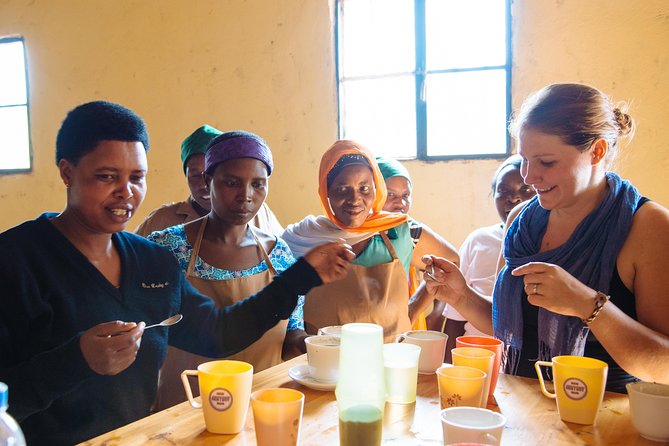
The maximum of 15 people is one of the tour’s practical strengths. You have a better chance of hearing the farm explanation, seeing the processing work, and taking part in the welcome than you would with a large coach group.
The eight-hour duration is the other key factor. This is a day trip, not a quick stop you can fit between two Kigali appointments. The start is fixed at 8:00 a.m., and the activity ends back at the original meeting point.
Most people can participate, and service animals are allowed. The listed health rules require negative COVID-19 test results and a mask, so check the current instructions carefully before you go. The experience also depends on good weather. If poor weather forces a cancellation, you will be offered another date or a full refund.
You should also remember that the available details do not spell out the physical demands of the farm portion. The name includes the word trek, but the listing does not give a walking distance or grade. Ask for clarification if you have mobility concerns or need to plan around a specific physical limit.
Who gets the most from this experience
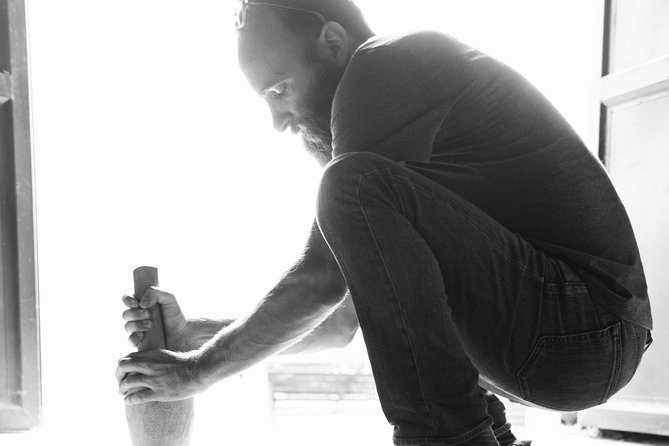
I would choose this tour if you want to understand Rwanda through one useful, everyday product. Coffee provides a clear way into questions about farming, women’s work, local income, and the steps behind a familiar drink.
It suits:
- Coffee drinkers who want more than a tasting
- Visitors interested in women-led community projects
- People who enjoy music, dancing, and direct cultural exchange
- Couples, friends, and small groups looking for a full-day outing
- Anyone who wants lunch and a guided activity included in one price
- Visitors who have already seen Kigali and want time outside the city
It may not suit you if you have only a few hours in Kigali, dislike group activities, or want a highly technical coffee course. The information promises a thorough look at production, but it does not promise certification, advanced brewing instruction, or a formal barista workshop.
The experience also works well after a work trip. A group of colleagues booked it after coming to Kigali for a conference and found it a memorable change from meetings. That makes sense: the day gives you something social to do together without reducing Rwanda to a conference venue.
Booking advice and cancellation terms
This experience is often booked 27 days ahead. I would not wait until the last morning if your schedule is fixed, especially because confirmation arrives within 48 hours and remains subject to availability.
The mobile ticket is convenient, and group discounts may reduce the per-person cost for larger parties. Since the price is $150 per person, it is worth checking the group rate if you are booking with colleagues or friends.
Free cancellation is available up to 24 hours before the local start time for a full refund. Changes or cancellations inside that 24-hour window are not accepted for a refund, and bad weather is handled separately through a new date or full refund.
Should you book the women-led coffee farm trek?
Yes, if coffee, local enterprise, and a warm social welcome all appeal to you. The strongest reasons to book are the women-led farm, the chance to follow coffee through cultivation and roasting, the included lunch, and the small group size.
The decision is less clear if your time in Rwanda is tight or if $150 feels too high for a day activity. In that case, compare it with the value of arranging separate transport, meals, and cultural visits. For someone who wants a single, guided experience with a clear purpose, the cost is easier to justify.
I would especially recommend it to anyone who wants to meet the people behind Rwanda’s coffee rather than only drink the finished product. Arrive ready to participate, not just observe. The song, dance, and shared welcome are central to the day, and they may be the part you remember longest.
FAQ
Where does the Women-led Coffee Farm Trek begin?
It begins at Question Coffee Gishushu, 8 KG 8 Ave, Kigali, Rwanda.
What time does the tour start?
The listed start time is 8:00 a.m.
How long does the experience last?
The activity lasts approximately eight hours.
Where does the tour end?
It ends back at the original meeting point in Kigali.
How much does the tour cost?
The listed price is $150 per person.
Is lunch included?
Yes. Lunch is provided during the one-hour stop at Urugo Eco-Lodge at the Women’s Opportunity Center.
How many people can join the tour?
The group is limited to a maximum of 15 people.
What will I learn about coffee?
You will see and learn about coffee cultivation, harvesting, washing, preparation, and roasting.
Can I visit the Women’s Opportunity Center?
Yes. The itinerary includes a visit to the Women’s Opportunity Center, where you can see handicrafts and more.
Can I cancel for a full refund?
Yes, if you cancel at least 24 hours before the experience’s local start time. Poor weather cancellations are handled with a different date or a full refund.
More Farms
- 1-Day Lake Kivu Karongi Boat Cruise & Coffee farming with Lunch
★ 4.5 · 3 reviews
Just added around Kigali
- Kigali City Tour and Sightseeing★ 5.0 · 3 reviews
- Home staying experience★ 5.0 · 3 reviews
- 3-Day Rwanda Gorilla Safari★ 4.5 · 3 reviews
- 2 Days Gorilla Trekking Rwanda★ 5.0 · 3 reviews
- 1 Day Rwanda Gorilla Trekking★ 5.0 · 3 reviews
- Kigali: Traditional Carpet Weaving (Ikirago) + amazing views★ 5.0 · 3 reviews
- Kigali: Guided City Tour let us learn, enjoy together ❤️★ 3.6 · 3 reviews
- 1 Day Gorilla Trekking Safari in Rwanda Volcanoes National Park★ 5.0 · 3 reviews
Coffee Experiences, compared.



Full Day Shared Akagera Safari Tour with Lunch and Coffee
Read our review →Lake Kivu Trip with a Hike and Coffee plantation experience
Read our review →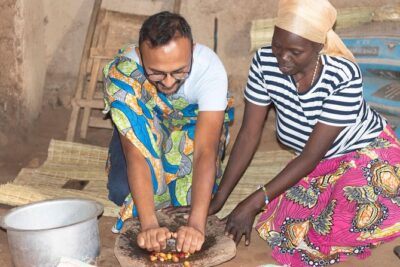

Local Community Tour(Cultural, Coffee,Village walk,Local food)
Read our review →Browse the lists this tour appears in