
Review · KIGALI CITY TOURS
Kigali City Tour and Sightseeing
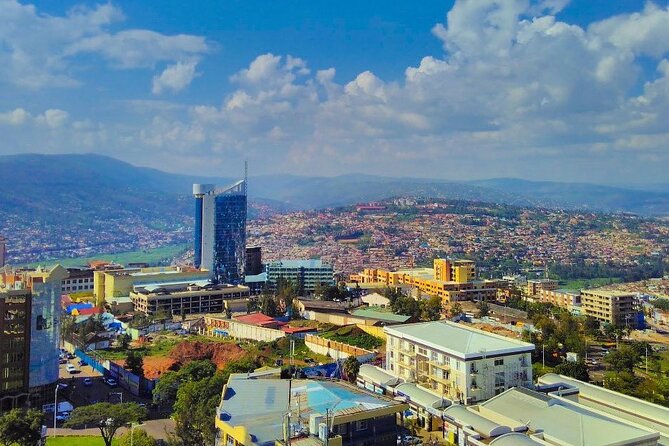
Kigali rewards a closer look. This private 5.5-hour tour links the city’s major memorials, a busy local market, Parliament’s Campaign Against Genocide Museum, and Mount Kigali. I like the clear mix of history and everyday life, and I like the flexibility of a private group with pickup offered. The main consideration is the price: at $166.68 per person, it offers more value for a small group than for a solo visitor.
You should also prepare for a serious morning or afternoon. The Genocide Memorial and Belgian Peacekeepers Memorial deal with painful events, not light sightseeing. Guide Mr. Jabil receives especially warm praise for his patience, energy, and command of Rwanda’s history, though you should confirm who will lead your group if having him matters to you.
In This Review
- Key points to know before you book
- Why a Kigali city tour is a smart first outing
- Starting with the Kigali Genocide Memorial
- Reading Kigali through Kimironko Market
- Remembering the ten Belgian peacekeepers
- Inside Parliament at the Campaign Against Genocide Museum
- Reaching Mount Kigali, the hill behind the city’s name
- What the guide adds to the experience
- The private format and the $166.68 price
- Who will get the most from this half-day route
- Booking advice for a respectful and useful visit
- Should you book the Kigali City Tour?
- FAQ
- How long does the Kigali City Tour last?
- Is hotel or location pickup offered?
- Is this a private tour?
- Are admission tickets included?
- Can most people participate?
- What is the cancellation policy?
Key points to know before you book
- Five very different Kigali stops: You move from a solemn memorial to a food and fabric market, then on to Parliament and a hill named for the city.
- A private experience: Only your group participates, which gives you more room to ask questions and adjust the pace.
- History comes first: Two memorial sites and the Campaign Against Genocide Museum give this outing a serious purpose.
- Kimironko Market adds local texture: Made-in-Rwanda goods, clothing fabrics, vegetables, and food make this the most everyday stop.
- Mount Kigali gives the tour a geographic anchor: The hill sits west of the city center in Nyarugenge District.
- The price favors groups: Admission is free at each listed stop, so much of the cost pays for the guide, transport, planning, and private format.
Why a Kigali city tour is a smart first outing
Kigali is often your first taste of Rwanda, and this half-day route helps you understand the capital before heading farther into the country. The city is known for being clean and safe, and the tour gives you a guided introduction rather than leaving you to piece together its story from scattered stops.
I like the balance here. Kigali is not presented only as a place of tragedy, even though the 1994 genocide against the Tutsi must be understood. You also see a working market, a national museum inside the Parliamentary building, and the hill that gave the city its name.
The private format matters. You can ask for more time at a memorial, request a clearer explanation of Rwanda’s political history, or keep the market visit short if shopping is not your goal. A fixed public group often cannot offer that freedom.
The schedule lasts about five hours and 30 minutes. That is long enough for a useful first look, but not so long that the day becomes exhausting. Since the route contains five stops, expect a steady pace rather than a leisurely afternoon at one site.
More Kigali city tours:
- Kigali City Tour
★ 5.0 · 452 reviews - Private Full-day Kigali City Tour with Pickup and Lunch
★ 5.0 · 79 reviews - Kigali City Tour
★ 5.0 · 59 reviews
Starting with the Kigali Genocide Memorial
Allow about two hours at the Kigali Genocide Memorial, the longest stop and the emotional center of the experience. More than 250,000 people are interred there, and the visitor center explains the events that led to the 1994 genocide in Rwanda.
This is not a place to rush through with a camera. I would treat the memorial as a lesson in how political division, propaganda, and violence shaped the country, while also making space for quiet reflection. Your guide can help connect the material to the wider story of Kigali and Rwanda.
The visitor center serves students and others who want to understand what happened. That makes this stop particularly useful if you are arriving with little background. It also means the visit may feel heavy, especially early in your trip.
The listed admission is free, but the value is in the time and explanation. Two hours gives you a chance to take in the memorial grounds and visitor material without reducing the visit to a quick photograph. Wear comfortable shoes and keep your schedule open afterward, since you may want a quiet break before the next stop.
Reading Kigali through Kimironko Market
Kimironko Market changes the tone completely. Located in the Kimironko neighborhood, it is described as the busiest market in town and offers a look at ordinary commerce rather than formal attractions.
You can expect locally made goods, souvenirs, fabrics for clothing, food, and vegetables. This is the place to pay attention to color, texture, and daily routines. If you want a made-in-Rwanda item, the market gives you a more direct connection to local production than a hotel shop.
The planned visit lasts about one hour. That is enough to get a sense of the market and browse, but you should not expect to inspect every stall. A private guide is useful here because you can ask about products and local customs as you go.
There is also a practical drawback. Markets can feel crowded and busy, and shopping requires patience. The tour description does not specify how purchases, bargaining, or food tasting are handled, so ask your guide before buying or eating anything. The market is still valuable even if you buy nothing. It gives the day a human scale after the memorial visit.
Remembering the ten Belgian peacekeepers
The Belgian Peacekeepers Memorial is a smaller stop, with about 30 minutes scheduled. It marks the site where ten Belgian United Nations peacekeepers were murdered by Hutu extremists in an attempt to provoke the withdrawal of UN forces.
That withdrawal helped clear the way for the full-scale genocide. The memorial therefore connects one specific act of violence with the wider international failure that followed. It is a compact site, but the story carries considerable weight.
I appreciate its place in the route. After the longer Genocide Memorial visit, this stop offers another angle on 1994 without asking you to spend another two hours in a museum. Your guide’s explanation matters here because the site may not communicate the full political context on its own.
Thirty minutes should be enough for the visit, though the subject may invite questions. If you want a longer discussion, use the private format to ask for it, but remember that the remaining stops still need time.
More City Tours in Kigali:
- Kigali E-Bike City Tour with Breakfast
★ 4.9 · 73 reviews - Kigali E-Bike City Tour with Breakfast
★ 5.0 · 49 reviews - Kigali City Tour with a Local Guide and Driver
★ 5.0 · 49 reviews - Kigali City Sightseeing
★ 5.0 · 49 reviews
Inside Parliament at the Campaign Against Genocide Museum
The Campaign Against Genocide Museum occupies the Parliamentary building of Rwanda. It is one of eight museums managed by the Rwanda Cultural Heritage Academy and opened in 2017 after being inaugurated by Paul Kagame.
The museum focuses on Rwanda during the campaign against the genocide against the Tutsi. This adds an important perspective to the day. The Genocide Memorial explains the road to the genocide and its human cost, while this museum focuses on the campaign against it.
You have about one hour here. That gives you enough time to follow the museum’s central story without turning the visit into a rushed stop. It also helps place modern Rwanda within the events of 1994.
The setting inside Parliament makes the visit especially relevant, but it may not suit someone seeking only old buildings or traditional culture. This is a political and historical stop. I would choose it if you want to understand how Rwanda presents its recent past and the country’s recovery story.
Because the museum opened in 2017, it is also a relatively recent addition to Kigali’s cultural sites. Admission is listed as free, so the main benefit comes from the content and the guide’s ability to explain what you are seeing.
Reaching Mount Kigali, the hill behind the city’s name
The final stop is Mount Kigali, also called Mont Kigali in French. It lies directly west of the city center in Nyarugenge District, and much of that district sits on its slopes.
The hill gives the tour a physical sense of Kigali. After spending the day inside memorials, museums, and a market, you finish with a place tied directly to the city’s name and shape. The stop lasts about one hour.
The available details do not promise a particular viewpoint, hike, activity, or structure at the summit, so you should not book this expecting a defined mountain excursion. Instead, think of it as a geographic and scenic pause that helps you understand where central Kigali sits.
Mount Kigali may be most useful near the end because it gives you time to process the city as a whole. Ask your guide what the stop includes on your selected date and how much walking is involved. The private setup makes that conversation easier.
What the guide adds to the experience
A city tour like this depends heavily on the guide. The route includes difficult history, political context, local shopping, and geography. A guide who simply drives from stop to stop would leave much of the value behind.
Mr. Jabil is praised for being friendly, energetic, patient, and well versed in Rwanda’s history and culture. Those qualities matter most at the Genocide Memorial, Belgian Peacekeepers Memorial, and Campaign Against Genocide Museum, where a clear explanation can help you follow events without feeling lost.
He is also described as easygoing and attentive to timing. One piece of feedback highlights a group that arrived excited and kept time, which suggests that punctuality helps the day run smoothly. Pickup tours work best when you are ready at the agreed time, especially with five stops packed into five and a half hours.
Mr. Jabil may not be the guide assigned to every departure. If his experience is important to you, ask Sahihi Africa Tours when you book. Either way, request a guide who can explain the historical material clearly and answer questions with care.
The private format and the $166.68 price
The cost is $166.68 per person. All five listed attractions have free admission, so you are paying mainly for the private vehicle service, guide, route planning, pickup, and the ability to travel only with your own group.
That can be fair for a family or small party. Split across several people, the private format gives you a tailored day and avoids the compromises of a large group. You can ask questions freely and adjust your attention at the more serious sites.
For one person, the value is harder to judge. The price is high for a five-and-a-half-hour city introduction when admission is free at every stop. Solo visitors should compare it with other private Kigali options or consider booking only if the convenience and personal guide are worth the premium.
The tour is booked, on average, 41 days ahead. That suggests you should not wait until the last minute if your Kigali dates are fixed. Confirmation arrives when you book, and a mobile ticket makes the reservation easy to carry.
Pickup is offered, and the tour is near public transportation. The experience is private, and most people can participate. The details do not specify the exact pickup area, vehicle type, walking distance, or meal arrangements, so ask those questions before paying if they affect your plans.
Who will get the most from this half-day route
I would recommend this tour to a first-time visitor who wants Kigali’s major historical stops explained in one organized outing. It also suits families and small groups that value privacy and want to ask plenty of questions.
It is a good fit if you want:
- A serious introduction to the 1994 genocide and its aftermath
- A local market visit alongside museums and memorials
- A guide who can connect separate sites into one story
- Pickup and a mobile ticket
- A private schedule for your own group
I would be more cautious if you dislike memorials, museums, or political history. Three of the five stops carry a serious historical focus, and the Genocide Memorial alone takes two hours. This is not a light sightseeing loop built mainly around restaurants, nightlife, or shopping.
It may also be less attractive for a solo visitor watching every dollar. Since admission is free, the private guide and transport need to justify the $166.68 price for you. A larger group can spread the cost and gain more from the flexible format.
Booking advice for a respectful and useful visit
Read a little about Rwanda’s 1994 genocide before you arrive. You do not need to become an expert, but a basic timeline will help you understand the memorials and ask better questions.
Give the Genocide Memorial the attention it deserves. Avoid scheduling something immediately afterward that requires a cheerful mood or tight timing. The day moves through difficult material, and a little emotional space is sensible.
At Kimironko Market, decide in advance if you want to shop. If you do, ask your guide about local products and practical buying customs. If you do not, you can still enjoy the market as a window into daily life.
Keep your pickup time exact. With stops lasting two hours, one hour, 30 minutes, one hour, and one hour, a late start could cut into the final visit. Free cancellation is available if you cancel at least 24 hours before the local start time. Cancellations or changes made inside that window are not accepted for a refund.
Should you book the Kigali City Tour?
Book it if you want a private, history-focused introduction to Kigali and prefer one guide to connect the city’s key sites. The strongest reasons are the thoughtful range of stops, the free-entry museums and memorials, and the chance to ask questions in a private group.
I would book it especially for a family, couple, or small party arriving in Rwanda for the first time. Ask about guide availability, pickup details, and what to expect at Mount Kigali before confirming.
Skip it if you want a cheap, casual city ride or if the $166.68 price feels too steep for free-entry attractions. For the right group, though, this is a useful first chapter in Rwanda, serious where it needs to be and broad enough to show that Kigali is more than a stopover.
FAQ
How long does the Kigali City Tour last?
The tour lasts approximately five hours and 30 minutes.
Is hotel or location pickup offered?
Pickup is offered, but the supplied details do not specify the exact pickup areas.
Is this a private tour?
Yes. Only your group participates in the activity.
Are admission tickets included?
Admission is listed as free at the Kigali Genocide Memorial, Kimironko Market, Belgian Peacekeepers Memorial, Campaign Against Genocide Museum, and Mount Kigali.
Can most people participate?
Yes. The activity states that most travelers can participate.
What is the cancellation policy?
You can cancel at least 24 hours before the local start time for a full refund. Cancellations or changes made less than 24 hours before the start time are not accepted for a refund.
Just added around Kigali
- Home staying experience★ 5.0 · 3 reviews
- 3-Day Rwanda Gorilla Safari★ 4.5 · 3 reviews
- 2 Days Gorilla Trekking Rwanda★ 5.0 · 3 reviews
- 1 Day Rwanda Gorilla Trekking★ 5.0 · 3 reviews
- Kigali: Traditional Carpet Weaving (Ikirago) + amazing views★ 5.0 · 3 reviews
- 1 Day Gorilla Trekking Safari in Rwanda Volcanoes National Park★ 5.0 · 3 reviews
- Kigali: Guided City Tour let us learn, enjoy together ❤️★ 3.6 · 3 reviews
- Ntarama and Nyamata Genocide Memorial Day Tour★ 4.5 · 3 reviews
Kigali City Tours, compared.
Private Full-day Kigali City Tour with Pickup and Lunch
Read our review →

Kigali City Tour: History, Art and Local Highlights.
Read our review →
Browse the lists this tour appears in