
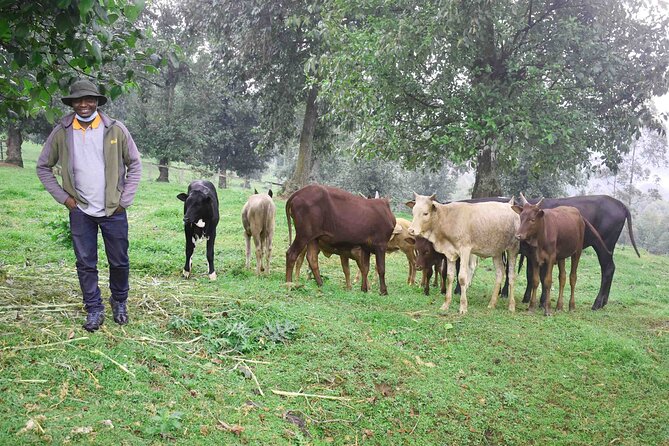
Review · CULTURAL & TRADITIONAL VILLAGE EXPERIENCES
Home staying experience
Rwanda opens its door one family at a time. This home stay experience gives you a close look at rural family life, from mud or brick homes to outdoor kitchens, animal stalls, bathing outhouses, and shared work spaces. I like the warm welcome built into the visit, and I like that you can take part in a traditional Rwandan wedding ceremony rather than simply watch from the edge.
The views are another strong point. You may see the five volcanoes overlooking Lake Ruhondo, an area known for bird spotting. The main caution is the timing: the experience is described as an overnight stay, yet the listed duration is about four hours with a 3:00 pm start. Confirm the exact schedule and sleeping arrangements before booking.
In This Review
- Key points at a glance
- A rural home, not a staged attraction
- From Kigali to the village
- Seeing the five volcanoes above Lake Ruhondo
- Following a Rwandan wedding ceremony
- What the home stay can teach you
- Meals, timing, and what is included
- Who will enjoy this most
- Simple preparation for a better visit
- FAQ
- Where does the home stay experience begin and end?
- What time does the experience start?
- How long does the experience last?
- Is pickup available?
- What meals are included?
- How many people can join?
- What happens if the weather is poor?
- Should you book it?
Key points at a glance
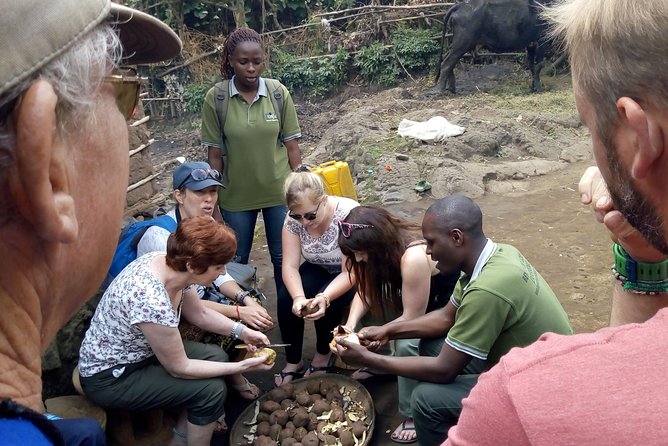
- A real family setting: You visit a rural Rwandan home with a larger receiving room, family bedrooms, an outdoor kitchen, a pit latrine, a bathing outhouse, animal stalls, and work areas.
- Traditional wedding customs: You may follow the ceremony from choosing the bride through the gusaba stage and the final marriage rites.
- Lake Ruhondo views: The five volcanoes overlooking the lake provide a memorable setting and good bird-spotting possibilities.
- Small group size: The activity accepts no more than six participants, which should make conversation and participation easier.
- Meals are included: Breakfast, lunch, dinner, and bottled water are provided, though you should confirm how meals fit with the four-hour schedule.
- A flexible format: The visit can be made longer or shorter to suit your wishes, and it is especially popular with people studying, working, or researching in Rwanda.
A rural home, not a staged attraction
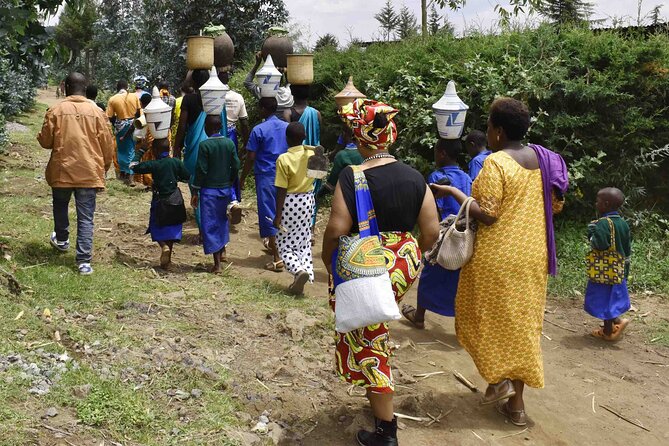
This experience is built around a family home rather than a formal cultural center. That difference matters. You are not simply looking at household objects or listening to a prepared talk. You are entering the kind of space where family life takes place.
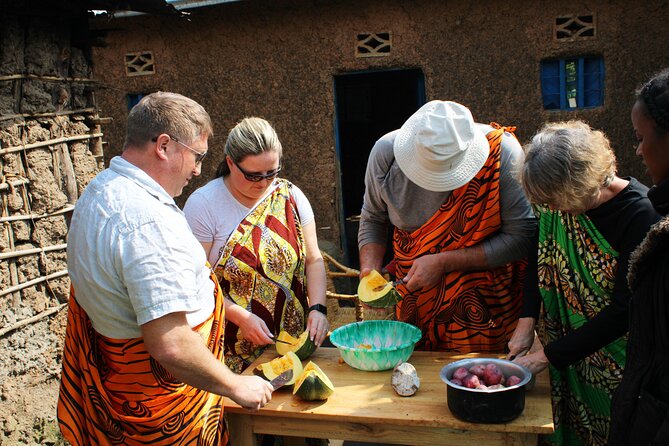
The homes are usually made of mud or bricks. One larger front room is used to receive visitors, while several smaller rooms serve as bedrooms for the family. Behind the house, an enclosed area may contain an outdoor kitchen, an enclosed pit latrine, a bathing outhouse, animal stalls, and space for family work.
These details are basic, but they are also the point. You get a clearer sense of how a rural household is organized and how much daily life depends on shared space. A host family may have about four children living at home, so the setting can feel active and close-knit rather than quiet or polished.
Rwandan culture treats a guest as a blessing. You should expect a sincere welcome, but remember that this is still a family home. Bring patience, courtesy, and a willingness to follow the household’s rhythm. Ask before photographing people or private areas, even though photographs are allowed during the wedding ceremony.
I especially like this format for anyone who wants human contact without turning the visit into a lecture. A few hours around a family table can tell you things that a city sightseeing tour cannot.
More cultural experiences in Kigali:
- Kigali: Mount Kigali and Cultural Village Tour with Snacks
★ 4.8 · 62 reviews - Kigali: Traditional Coffee Experience ( Bean to Brew)
★ 4.8 · 54 reviews - Kigali: Traditional Basket Weaving in a Garden
★ 4.8 · 41 reviews
From Kigali to the village
The experience begins from Kigali, with pickup offered. The description says you drive with a Beyond the Gorillas Experience guide to a nearby village. It also says the village can be reached by walking, depending on the arrangement.
That wording leaves some practical questions unanswered. The exact village, road time, and transport plan are not specified. Private transportation is not included, even though pickup is offered, so confirm what pickup means in your case and whether an additional transport charge applies.
The activity begins at 3:00 pm. Since the experience may include a village visit, a wedding ceremony, meals, and possibly an overnight stay, the afternoon start could lead into an evening with the host family. Yet the stated duration is approximately four hours. I would ask these questions before you set your plans:
- Does the four-hour option include sleeping at the family home?
- Is the overnight version a different arrangement?
- Where exactly is the village?
- Is pickup from your Kigali hotel included in the price?
- How are breakfast, lunch, and dinner scheduled during a four-hour visit?
Those are not minor details. They affect what clothing to pack, when to eat, and whether you need to arrange a separate night in Kigali.
The small maximum group of six is useful here. A large bus group would change the mood of a family visit. With six or fewer people, you have a better chance to ask questions, follow the guide’s explanations, and take part without crowding the household.
Seeing the five volcanoes above Lake Ruhondo
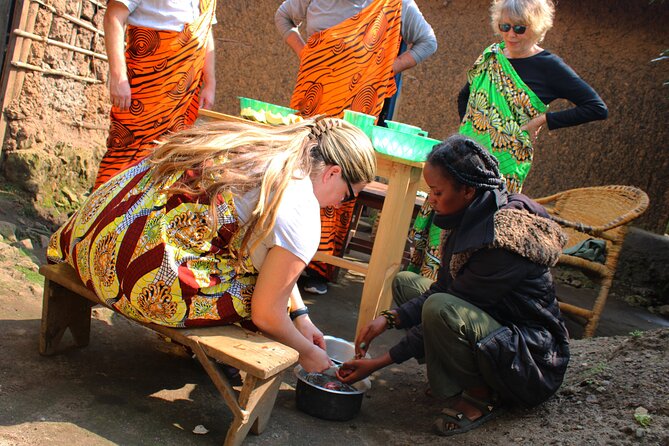
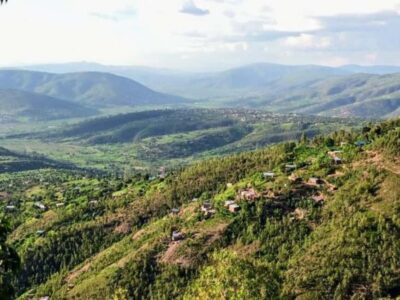
One of the most appealing parts of the outing is the setting near Lake Ruhondo. You can enjoy views of five volcanoes rising above the lake, with bird spotting also noted as a feature of the area.
The scenery gives the cultural visit a strong outdoor component. You are not spending the whole time inside a home or moving from one ceremony step to another. The lake and volcano views provide space to pause and take in northern Rwanda’s highland setting.
Do not treat the bird spotting as a guaranteed wildlife excursion. It is listed as a feature of the area, but no specific birds, equipment, or dedicated bird guide are promised. If birdwatching matters to you, ask how much time is available for it and whether binoculars are supplied.
The activity requires a moderate level of physical fitness. That makes sense for a village visit where you may walk on uneven ground or move between household areas. The route is not described in enough detail to judge its difficulty, so wear practical shoes and be ready for a walk rather than expecting a fully vehicle-based tour.
The weather also matters. If poor weather causes cancellation, you are offered another date or a full refund. This is useful protection, but it also signals that outdoor access and village conditions are important to the experience.
Following a Rwandan wedding ceremony
The cultural centerpiece is a traditional wedding ceremony. You may follow the process from the choice of the bride through the gusaba ceremony and onward to the marriage itself.
That sequence gives you more context than watching a single performance. You can see how the ceremony develops and how different stages connect. The experience is not limited to observation, either. You may participate in the ceremony, take photographs freely, and taste local beer and food if you choose.
Participation should be handled with care. Wedding customs are meaningful events, not entertainment arranged solely for a tour group. Follow your guide’s instructions, watch what family members do, and ask before stepping into an active part of the ceremony. A respectful presence will make the encounter better for everyone.
The option to taste local beer and food is also worth noting. It is optional, so you can decline without losing the main value of the visit. If you do take part, ask what is being served and how the food fits into the ceremony. Bottled water is included, which is helpful during a warm afternoon or a walk between locations.
Photography is permitted during the ceremony, but free photography should not be read as permission to photograph every private moment. Your guide can help you judge when pictures are welcome. I would keep the camera ready but not let it become the main reason you are there.
A different idea for another day in Rwanda:
- Kigali City Tour
★ 5.0 · 452 reviews - Kigali: Walking Tour with a Local Guide
★ 4.9 · 234 reviews - One-day Akagera National Park Game Drive with a Choice 4×4
★ 5.0 · 105 reviews - Private Full-day Kigali City Tour with Pickup and Lunch
★ 5.0 · 79 reviews
What the home stay can teach you
The strongest part of the experience is the chance to see how a rural family uses its home. An outdoor kitchen, animal stalls, work space, bathing outhouse, and pit latrine are not decorative details. They show how cooking, hygiene, farming, family duties, and hospitality fit together in one enclosed household area.
You may find that the home feels more compact and practical than the places you are used to. That contrast can be instructive, but it also means you should not expect hotel comforts. The supplied information does not promise a private bathroom, a private bedroom, or modern facilities.
The home stay is therefore best for you if you are comfortable with simple conditions and curious about daily routines. It is less suitable if you need predictable hotel amenities or want a tightly timed sightseeing program.
The family welcome is a major part of the appeal. One visitor described the host family as making her feel like family and called the experience the highlight of her Rwanda trip. That praise points to the emotional side of the visit: the value is not just in the house or ceremony, but in the personal connection created there.
At the same time, a warm welcome does not remove the need for boundaries. You are entering someone’s home, so let the host family set the pace. Ask questions, listen carefully, and avoid treating the household as a museum display.
Meals, timing, and what is included
The price is $71.80 per person. Breakfast, lunch, dinner, and bottled water are included, which gives the experience a fair value if all three meals are actually part of the overnight arrangement.
The meal information does not match neatly with the four-hour duration. A 3:00 pm start could include dinner, but breakfast and lunch would normally fall outside that window. This is the clearest point to settle before booking. Ask whether the meals apply to the overnight version, a longer flexible version, or a different schedule.
Private transportation is not included. Pickup is offered, but those two details need to be clarified together. You may need to arrange your own ride to the meeting point, or pickup may be available with separate terms.
The price is reasonable for a small group cultural experience that includes food and a family visit, but its value depends on the final format. At $71.80, it is attractive if you receive a full overnight stay with three meals and a guide. If it is only a four-hour activity with one meal and no private transport, you should compare it with other half-day cultural options in Kigali.
The experience is often booked about 38 days ahead. That suggests you should reserve early if your Rwanda schedule is fixed, especially because the group is limited to six people. It also gives you time to confirm the overnight details rather than sorting them out at the last minute.
Who will enjoy this most
I would recommend this for you if you want a personal cultural encounter, enjoy simple surroundings, and are willing to take part respectfully. It is a natural fit for students on study programs, interns, and people conducting research, since the format can be adjusted to be longer or shorter.
It also suits couples and solo participants who want more contact with local life than a standard city tour provides. The small group limit should help if you prefer conversation over a large organized excursion.
Families should ask about the specific home facilities before booking. The experience may be meaningful for older children, but the information provided does not describe child pricing, sleeping arrangements, or amenities for young children.
I would be cautious about booking it if you have limited mobility, dislike outdoor facilities, or need an exact four-hour schedule. A moderate fitness level is required, and the village setting may involve walking and uneven ground. The unclear relationship between the overnight format and the four-hour duration is also important for anyone with a tight itinerary.
Simple preparation for a better visit
Wear comfortable clothing and shoes suitable for a village walk. Since the weather can affect the activity, bring something practical for changing conditions, though no specific packing list is provided.
Keep a respectful distance when photographing the family and wedding ceremony. Ask your guide when it is appropriate, and remember that a camera can make a personal encounter feel formal very quickly.
Because local beer and food are optional, you can decide on the spot. Bottled water is supplied, but you should still ask about the meal schedule if you have dietary needs, since no special-diet information is provided.
Most important, clarify the plan before you pay. Confirm the village location, transport, overnight arrangements, meal timing, and expected walking. Those answers will tell you whether this is a short cultural visit or a fuller home stay.
Cancellation is free if you cancel at least 24 hours before the 3:00 pm start time. A cancellation within 24 hours is not refunded, and late changes are not accepted. If bad weather cancels the activity, you can choose a new date or receive a full refund.
FAQ
Where does the home stay experience begin and end?
It begins in Kigali, Rwanda, and ends back at the meeting point.
What time does the experience start?
The stated start time is 3:00 pm.
How long does the experience last?
The listed duration is approximately four hours, although the description also refers to an overnight home stay. Confirm the exact format before booking.
Is pickup available?
Pickup is offered, but private transportation is not included. Ask the provider to explain the pickup arrangement and any transport costs.
What meals are included?
Breakfast, lunch, dinner, and bottled water are included. Since the duration is listed as four hours, confirm when the meals are served.
How many people can join?
The activity has a maximum of six participants.
What happens if the weather is poor?
The activity requires good weather. If it is canceled because of poor weather, you can choose another date or receive a full refund.
Should you book it?
Book this experience if you want a direct connection with a rural Rwandan family, a traditional wedding ceremony, and striking views of Lake Ruhondo and the five volcanoes. The small group size, included meals, and warm family welcome make it a strong choice for curious, respectful participants who value personal encounters over polished attractions.
Before booking, get clear answers about the central contradiction: four hours or overnight. If the full home stay, three meals, and transport plan are confirmed, $71.80 is a good value. If you need hotel-style facilities, private transport, or a precise schedule, choose another activity or arrange this one only after the details are settled.
Just added around Kigali
- Kigali City Tour and Sightseeing★ 5.0 · 3 reviews
- 3-Day Rwanda Gorilla Safari★ 4.5 · 3 reviews
- 2 Days Gorilla Trekking Rwanda★ 5.0 · 3 reviews
- 1 Day Rwanda Gorilla Trekking★ 5.0 · 3 reviews
- Kigali: Traditional Carpet Weaving (Ikirago) + amazing views★ 5.0 · 3 reviews
- Kigali: Guided City Tour let us learn, enjoy together ❤️★ 3.6 · 3 reviews
- 1 Day Gorilla Trekking Safari in Rwanda Volcanoes National Park★ 5.0 · 3 reviews
- Ntarama and Nyamata Genocide Memorial Day Tour★ 4.5 · 3 reviews
Cultural & Traditional Village Experiences, compared.
Mount Kigali and Cultural Village Tour with Snacks
Read our review →
One Day Gorilla Trekking Rwanda & Iby’iwacu Cultural Village
Read our review →
Browse the lists this tour appears in