
Review · CULTURAL & TRADITIONAL VILLAGE EXPERIENCES
Kigali: Traditional Basket Weaving in a Garden
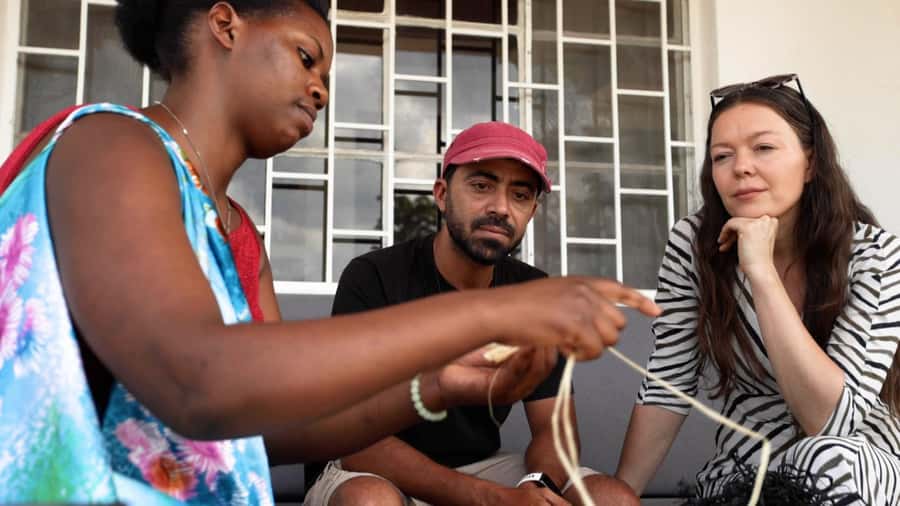
Small baskets carry big stories. This two-hour Kigali workshop gives you a hands-on way to understand Rwandan craft, guided by local women who teach the patterns, techniques, and meaning behind the work. I like the personal instruction and the chance to make something you can take home, rather than simply watch a demonstration.
I also like the peaceful garden setting, where weaving can feel unhurried and social. The main drawback is that beginners may finish only a coaster, small bowl, or tiny basket rather than a full-size basket, and some visitors may want more storytelling or music during the work.
In This Review
- Key details before you book
- What this Kigali workshop is really about
- Arriving at the garden setting
- Meeting the artisans and hearing the background
- Learning the first pattern with your own hands
- Understanding the colors, shapes, and patterns
- The value of meeting local women artisans
- What you may take home
- Group size, pace, and who will enjoy it
- What the two hours feel like
- Language and teaching style
- Is $30 a fair price?
- Who should book this activity?
- Should you book the Kigali basket-weaving workshop?
- FAQ
- How long does the basket-weaving activity last?
- How much does the activity cost?
- What does the price include?
- Is transportation included?
- Which languages are available?
- Can I cancel for a full refund?
Key details before you book
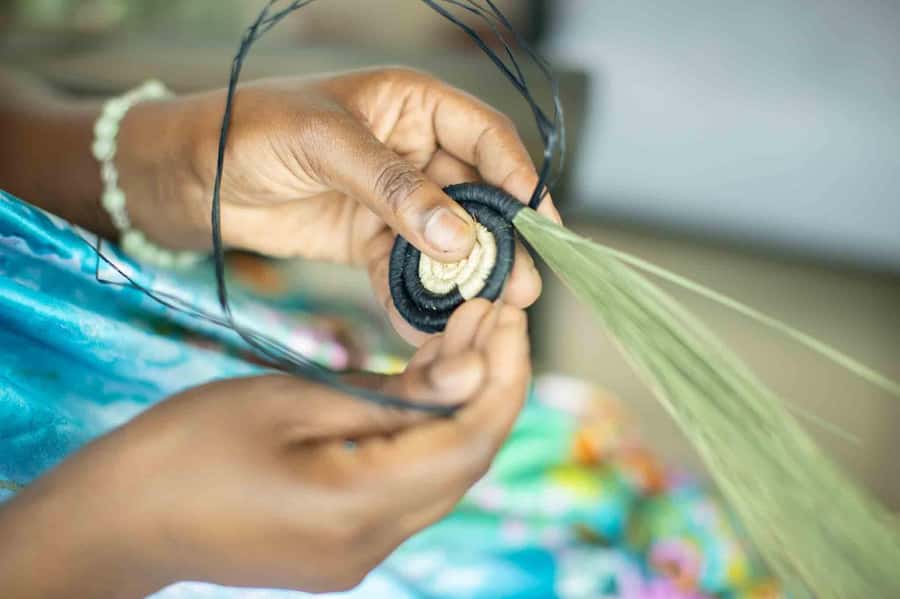
- You learn from Rwandan women artisans: The workshop centers local teaching and helps direct income toward community craftspeople.
- You make a take-home piece: Depending on your pace, you may create a coaster, small bowl, or little basket.
- The setting is calm and pleasant: The class takes place in a garden or comfortable café-style setting, with tea or coffee available in some cases.
- Sandrine is a patient teacher: Several sessions have been led by Sandrine, who is praised for clear help and careful instruction.
- English and French are available: A translator may assist when needed, so language should not block the lesson.
- The cost is $30 for two hours: That is fair if you value direct cultural contact, a craft souvenir, and support for local artisans.
What this Kigali workshop is really about
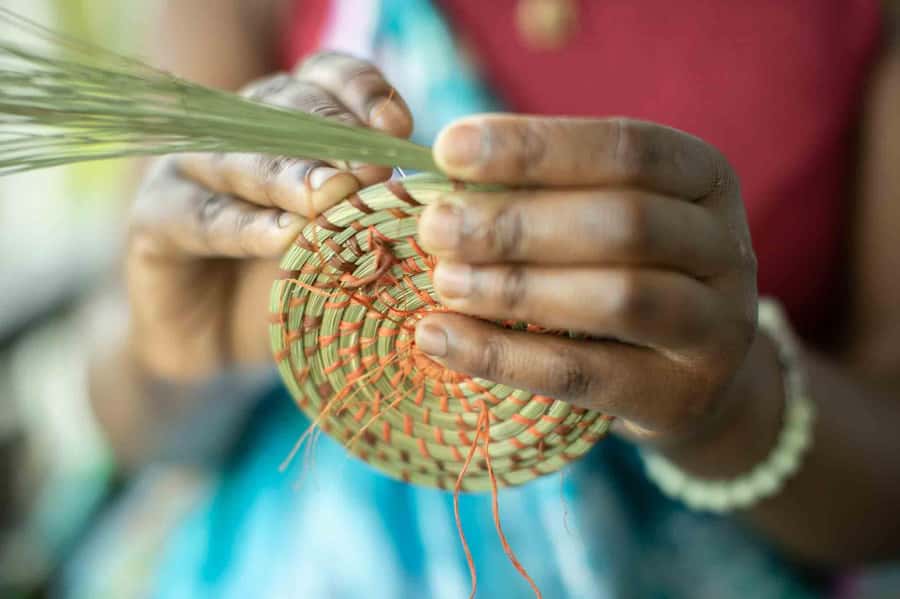
This is not a quick shopping stop where you pick up a basket and leave. You sit with local artisans and learn how the object takes shape, one careful section at a time.
Basket making has practical and cultural value in Rwanda. The designs are not simply decoration. Patterns and colors can carry meaning, and the craft connects present-day makers with skills passed down through families and communities. You may not become an expert in two hours, but you will see why a finished basket represents much more than a pretty object.
I find that this kind of activity adds useful depth to a Kigali visit. You are not only looking at Rwandan craft in a shop. You are meeting the people who make it and trying the work yourself. That changes how you see every basket you encounter afterward.
The focus is on conversation, guidance, and practice. Your hosts begin with a welcome and an explanation of the craft. They share personal stories and discuss the place of basket weaving in Rwandan life before handing you the materials and tools.
More cultural experiences in Kigali:
- Kigali: Mount Kigali and Cultural Village Tour with Snacks
★ 4.8 · 62 reviews - Kigali: Traditional Coffee Experience ( Bean to Brew)
★ 4.8 · 54 reviews - Kigali: Choose Your Traditional Craft Experiences
★ 5.0 · 18 reviews
Arriving at the garden setting
The activity takes place in Kigali Province, in a garden or comfortable café setting. The garden matters because weaving is a patient activity. You need a place where you can sit, concentrate, ask questions, and work without feeling rushed.
The setting has been praised for its pleasant atmosphere. One participant described having coffee at the location, while another enjoyed tea in the garden. A café is not formally listed as part of the package, so treat drinks as a possible extra or local arrangement rather than a guaranteed inclusion.
Transportation is not included. You will need to make your own way to the meeting point, and the exact starting time depends on availability when you book. Build in enough time to arrive calmly. Turning up late to a hands-on lesson can make it harder to follow the early steps.
The garden also gives you a chance to talk with your instructor in a natural setting. This is not a formal lecture hall. You might ask about the materials, the designs, or how the craft fits into daily life. Those small exchanges are among the most useful parts of the session.
Meeting the artisans and hearing the background
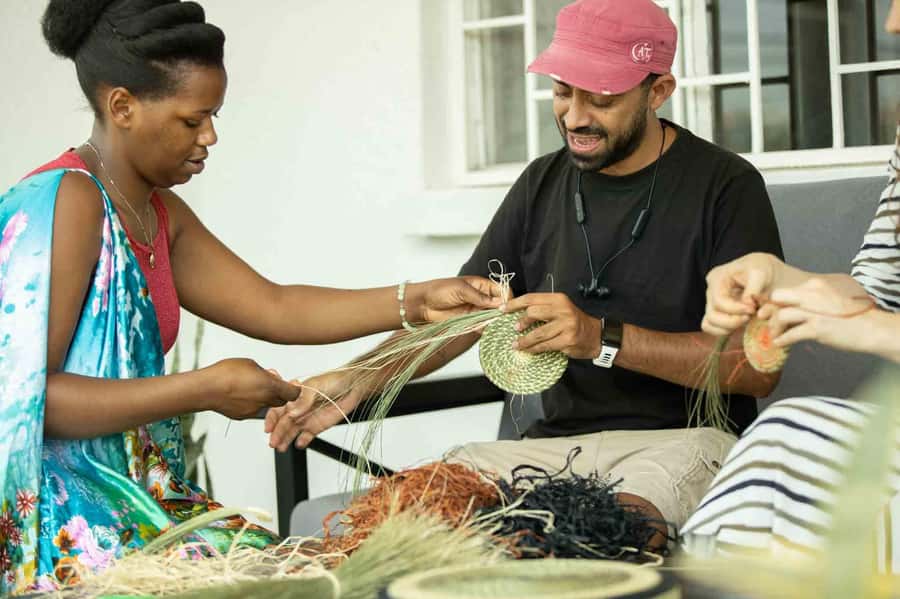
The workshop begins with a welcome from local Rwandan artisans. You receive an introduction to the craft, along with background on its cultural importance.
This opening is short enough to leave plenty of time for making, but it gives the work a proper frame. I appreciate that. Without an introduction, you might see only strips of material and a finished pattern. With some context, you begin to understand why certain designs matter and why the skill deserves patience.
Sandrine has been especially praised for her teaching. She is described as kind, patient, and highly skilled, with a quick and practiced weaving technique. That is good news for beginners, because basket weaving looks simple until your hands have to keep the tension even.
Instruction may be in English or French. If you need more help with language, a translator may be available. One person received assistance from a translator during the lesson and still found the session well organized and easy to follow.
Do not worry if your first attempt looks loose or uneven. That is normal. The instructor can show you how to hold the material, where to place the next strand, and how to keep the shape from wandering.
Learning the first pattern with your own hands
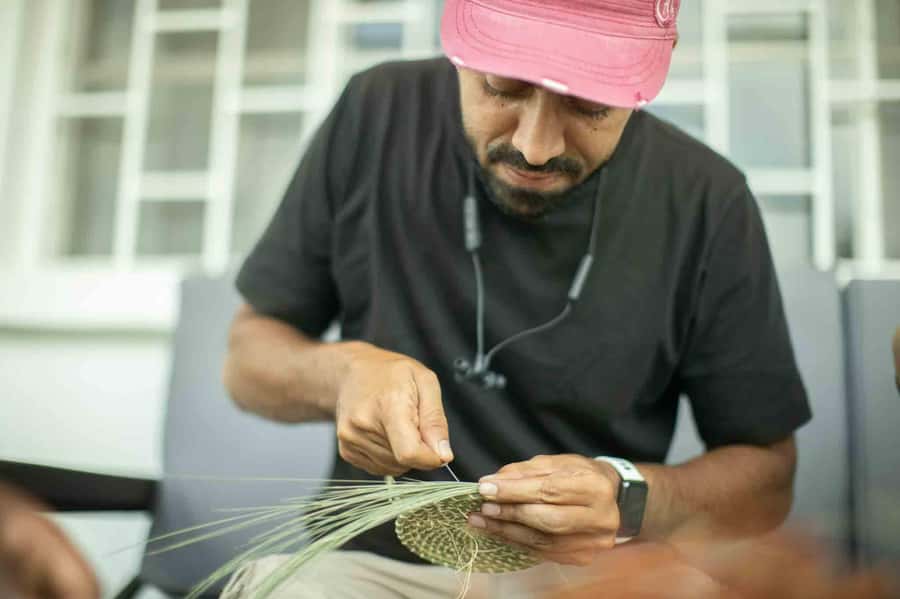
Once the welcome is over, you receive the materials and tools needed for the activity. The instructor demonstrates the basic method, then you begin your own piece.
The exact result depends on your pace and the form chosen for the session. Past participants have made coasters, small bowls, and little baskets. A coaster can sound modest, but it gives you a realistic goal for a two-hour class. A small finished piece is better than an ambitious project left half done.
Basket weaving requires steady repetition. You may start by placing or securing the base, then work around it while keeping the strands aligned. Your instructor checks your progress and corrects your technique as you go.
This is where the workshop earns its price. You are not paying only for raw materials. You are paying for time with someone who has spent years learning a skill that can look effortless from the outside.
The rhythm can become relaxing once your hands understand the sequence. One visitor said the two hours passed quickly, which makes sense. You work, pause for advice, chat with the instructor, and then try again. It is a social activity, but it still gives you quiet concentration.
I would not book this expecting a polished market-quality basket. The point is to learn and make a personal souvenir. Small flaws are part of the story, and they may make the finished object more meaningful than a perfect shop purchase.
A different idea for another day in Rwanda:
- Kigali City Tour
★ 5.0 · 452 reviews - Kigali: Walking Tour with a Local Guide
★ 4.9 · 234 reviews - One-day Akagera National Park Game Drive with a Choice 4×4
★ 5.0 · 105 reviews - Private Full-day Kigali City Tour with Pickup and Lunch
★ 5.0 · 79 reviews
Understanding the colors, shapes, and patterns
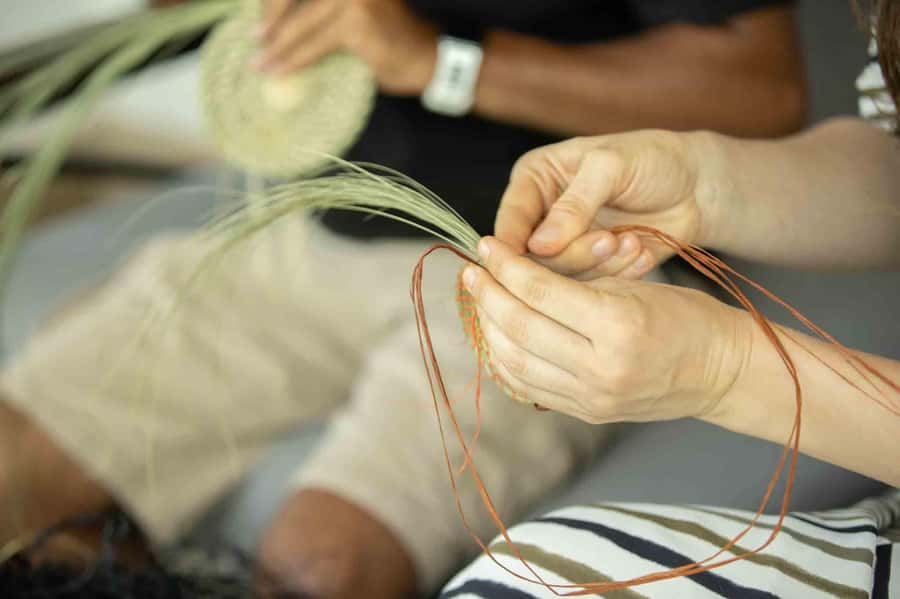
The instructor explains the significance of patterns and designs as you work. This gives the activity a cultural layer that a standard craft class might not offer.
Rwandan baskets are often recognized for carefully arranged geometric designs and strong color contrasts. The information provided for this activity does not promise a specific pattern or a set design, so your piece may differ from someone else’s. That variety is part of the appeal.
Ask questions as you weave. You can ask what a pattern represents, how the materials are prepared, or how the craft is taught across generations. The workshop is designed for conversation, and asking directly will help you get more from the time.
One point to keep in mind is that not every session may include as much storytelling as you want. A participant enjoyed the class but wished for more stories about weaving culture and some music during the work. If cultural explanation is your main reason for booking, say so early and ask your instructor to explain the designs in more detail.
The value of meeting local women artisans
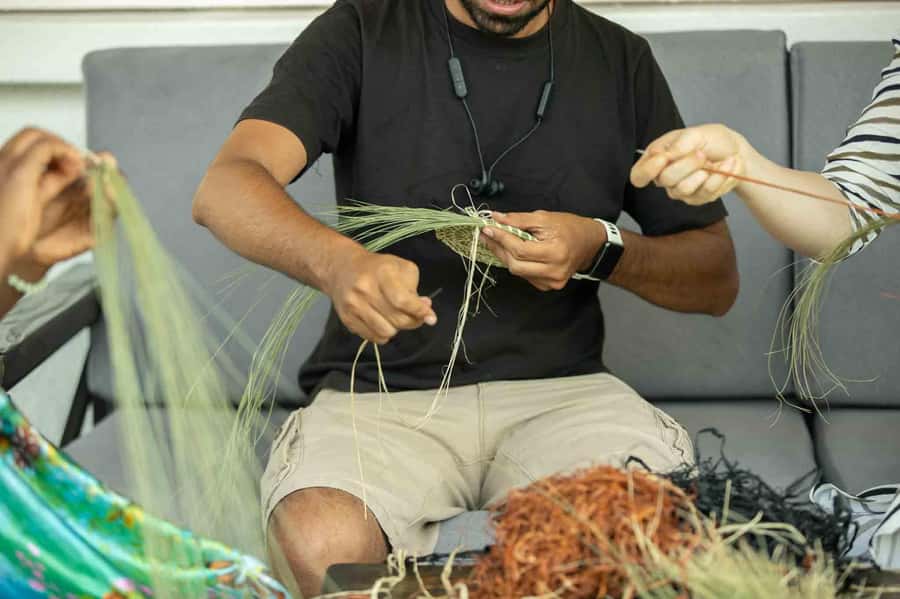
The social purpose of the workshop is important. The activity supports local communities and gives local women a chance to earn from their skills and teaching.
That makes the $30 price easier to assess. For two hours, you receive instruction, materials, tools, cultural explanation, and a handmade item. You also help keep money connected to the people leading the activity instead of spending only at a larger commercial outlet.
I would still describe this as a cultural workshop first and a shopping alternative second. Your basket will be small, and you may not leave with something suitable for daily household use. The value comes from the lesson, the conversation, and the direct connection to the artisans.
The workshop can also work well for people who want to support local women without turning the visit into a formal charity tour. You take part in a real skill, pay for a service, and leave with a physical reminder of the meeting.
What you may take home
Your finished item depends on your ability, the time available, and the project offered that day. A coaster, small bowl, or tiny basket is a realistic expectation.
Several people were pleased to carry home a small souvenir. One person made a coaster for use with drinks at home, while another left with a little basket and a strong sense of pride. That is the right attitude for this activity. Your piece may not be perfectly symmetrical, but you made it yourself under Rwandan instruction.
Pack it carefully for the journey. The supplied details do not specify packaging, so you should not assume a box or protective wrapping will be provided. If you are flying, keep the item somewhere it will not be crushed in your luggage.
You might also want to photograph the work at the end, especially if the basket is small. The finished object is only part of the souvenir. You will remember the teacher’s hands moving quickly, the attempts to copy the technique, and the moment the pattern finally begins to make sense.
Group size, pace, and who will enjoy it
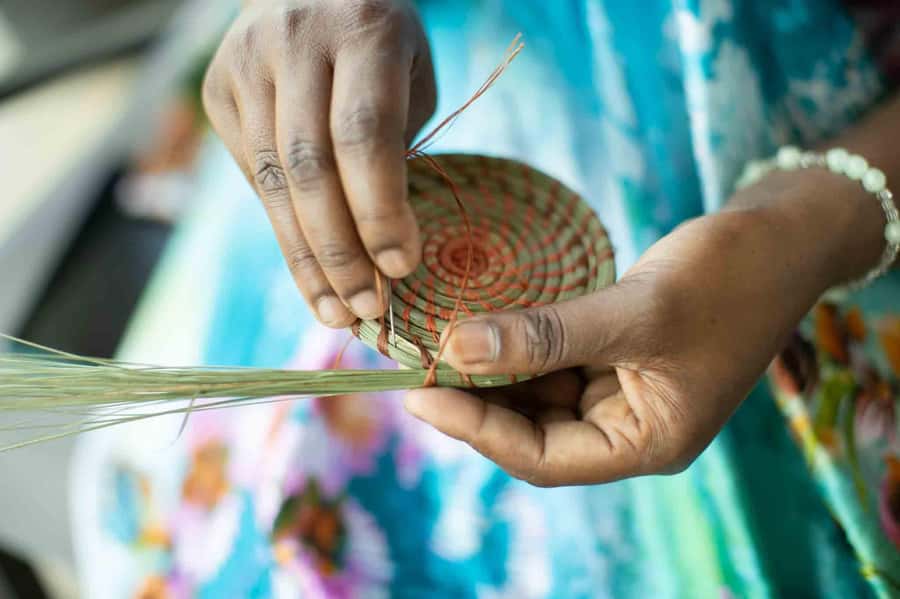
The experience can work particularly well in a small group. A small class makes it easier to receive help and ask questions, though the available information does not promise a fixed group size.
The pace is gentle but active. You are expected to take part, not sit back while someone else makes the basket for you. People who enjoy crafts, local traditions, and conversation should find the format rewarding.
You do not need previous weaving experience. In fact, the beginner’s mistakes are part of the lesson. The instructors are used to guiding people through the basics, and Sandrine in particular has been praised for her patience.
This activity is suitable for solo visitors, couples, and friends. It also works for people visiting Kigali for work who have a free weekend or afternoon. One such visitor used the workshop as a cultural break during a work trip and found the experience comfortable and well organized.
The listing says the activity is not suitable for people with food allergies. That restriction may relate to the setting or refreshments, so ask the provider for clarification before booking if this applies to you.
What the two hours feel like
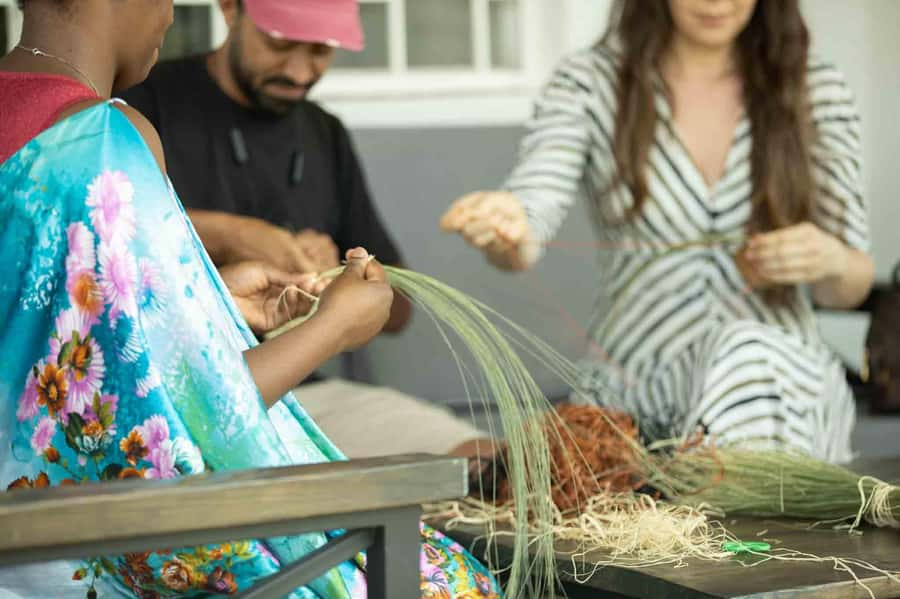
The session has a natural progression:
- You arrive at the garden or café-style location and receive a welcome.
- Local artisans introduce themselves and explain the role of basket weaving.
- You receive the required materials and tools.
- Your instructor demonstrates the basic weaving process.
- You practice with close help and adjust the shape as you go.
- You learn about patterns, colors, and cultural meaning during the work.
- You finish a small item, or get as close to completion as your pace allows.
- You leave with your handmade piece and a better sense of the craft.
The structure is simple, which is one of its strengths. You are not rushed from one presentation to another. Most of the time is spent doing the activity.
Some instructors may allow a little extra time if you are nearly finished. That has happened during a session, but you should not count on overtime when planning your day.
Language and teaching style
Instruction is available in English and French. The style appears friendly and practical, with demonstrations followed by individual help.
That matters because weaving is visual. A long verbal explanation would not be enough. You need to see how the material is held and then have someone correct your hands when the tension slips.
Sandrine has received especially warm praise for being patient and encouraging. Other instructors are also described as friendly and helpful. Their skill is easy to notice when you compare your early attempts with the quick, even movements of an experienced weaver.
If you are unsure about something, ask immediately. Do not quietly repeat a wrong step for twenty minutes. A short correction early on can save a lot of unpicking later.
Is $30 a fair price?
At $30 per person, this is a reasonable Kigali activity if you want more than a souvenir purchase. The price includes the welcome, hands-on lesson, materials, tools, and cultural storytelling.
Transportation and personal expenses are not included. You should budget separately for getting to the location and for any coffee or tea you choose to buy. The activity lasts two hours, so it also fits neatly into a day that includes museums, markets, or other Kigali sights.
I would not compare the price with the cost of a mass-produced basket. Compare it with the cost of a private craft lesson, a local conversation, and a small handmade object. On that basis, the value is good.
The strongest reason to book is the direct connection with the artisans. If you only want a large, polished basket, a craft market may suit you better. If you want to understand how the object is made and support the person teaching you, this workshop makes more sense.
Free cancellation is available up to 24 hours before the activity for a full refund, and you can reserve now and pay later. Those options are useful if your Kigali plans are still shifting.
Who should book this activity?
I would recommend it to:
- First-time visitors who want a gentle introduction to Rwandan craft
- People who prefer making something to watching a demonstration
- Solo visitors looking for a friendly, social activity
- Couples or small groups who want a shared souvenir
- Craft lovers who enjoy learning from a skilled local teacher
- Visitors who want their spending to support local women artisans
I would think twice if you dislike repetitive handwork or want a major sightseeing landmark during every hour of your trip. The workshop asks you to sit, focus, and accept that your basket may look homemade.
It is also not the best choice if you want a long, formal history presentation. The cultural information is part of the lesson, but the main event is making the basket.
Should you book the Kigali basket-weaving workshop?
Book it if you want a calm, hands-on Kigali experience with a clear local benefit. The best parts are the patient teaching, the garden setting, the chance to ask questions, and the small object you create yourself.
Go in with realistic expectations. You may finish a coaster or small bowl rather than a full basket, and the amount of storytelling can vary. Still, two hours with Rwandan artisans for $30 is a fair exchange, especially when you value direct support for local craftspeople.
If Sandrine is leading your session, expect careful instruction and plenty of encouragement. If you are new to weaving, remember that an uneven edge is not a failure. It is proof that you were doing the work yourself.
FAQ
How long does the basket-weaving activity last?
The workshop lasts two hours.
How much does the activity cost?
The price is $30 per person.
What does the price include?
The price includes an introduction and welcome from local Rwandan artisans, a hands-on basket-weaving workshop, all required materials and tools, cultural insights, and storytelling.
Is transportation included?
No. Transportation to and from the activity location is not included.
Which languages are available?
Instruction is available in English and French. A translator may also assist when needed.
Can I cancel for a full refund?
Yes. You can cancel up to 24 hours in advance for a full refund.
Just added around Kigali
- Kigali City Tour and Sightseeing★ 5.0 · 3 reviews
- Home staying experience★ 5.0 · 3 reviews
- 3-Day Rwanda Gorilla Safari★ 4.5 · 3 reviews
- 2 Days Gorilla Trekking Rwanda★ 5.0 · 3 reviews
- 1 Day Rwanda Gorilla Trekking★ 5.0 · 3 reviews
- Kigali: Traditional Carpet Weaving (Ikirago) + amazing views★ 5.0 · 3 reviews
- Kigali: Guided City Tour let us learn, enjoy together ❤️★ 3.6 · 3 reviews
- 1 Day Gorilla Trekking Safari in Rwanda Volcanoes National Park★ 5.0 · 3 reviews
Cultural & Traditional Village Experiences, compared.

Mount Kigali and Cultural Village Tour with Snacks
Read our review →

One Day Gorilla Trekking Rwanda & Iby’iwacu Cultural Village
Read our review →
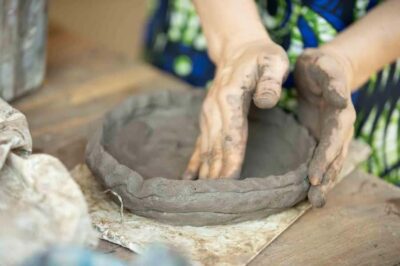
Traditional Kubumba Pottery Making with Local Women
Read our review →Browse the lists this tour appears in