
Review · CULTURAL & TRADITIONAL VILLAGE EXPERIENCES
Kigali: Learn the Amaraba Dance Experience in Kigali
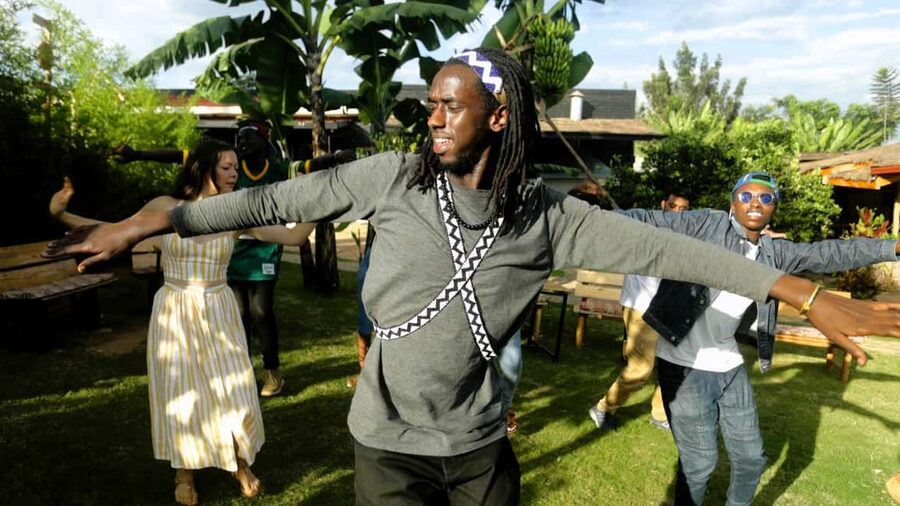
The first drumbeat changes the room. Kigali’s Amaraba dance session gives you a lively way to meet Rwandan culture, with local dancers teaching the steps, gestures, and meaning behind the movements. I like the hands-on format, and I like that the dancing comes with stories rather than being a silent performance. The main consideration is that you will be on your feet and moving for most of the hour, so it is not a good fit for anyone with limited mobility.
This is also a friendly, social activity. You can ask questions, follow the dancers at your own pace, and take photos with them in colorful costumes. At $30 per person, it offers fair value for a one-hour cultural session, though you will need to arrange your own transport and pay separately for any food or drinks.
In This Review
- Key points before you book
- Why Amaraba is worth an hour in Kigali
- The opening drumbeat and first dance lesson
- Learning the meaning behind each movement
- Colorful costumes, photos, and the social side
- What the one-hour schedule means for your day
- The $30 question: good value or not?
- Who will enjoy Amaraba most
- Practical tips for a smoother session
- How it compares with a standard dance performance
- What the strong feedback tells you
- Should you book the Amaraba dance experience?
- FAQ
- How long does the Amaraba dance experience last?
- How much does the activity cost?
- Is the instruction offered in English?
- Do I get to participate in the dancing?
- Is transportation included?
- Can I take photos with the dancers?
- Who should not take part?
Key points before you book
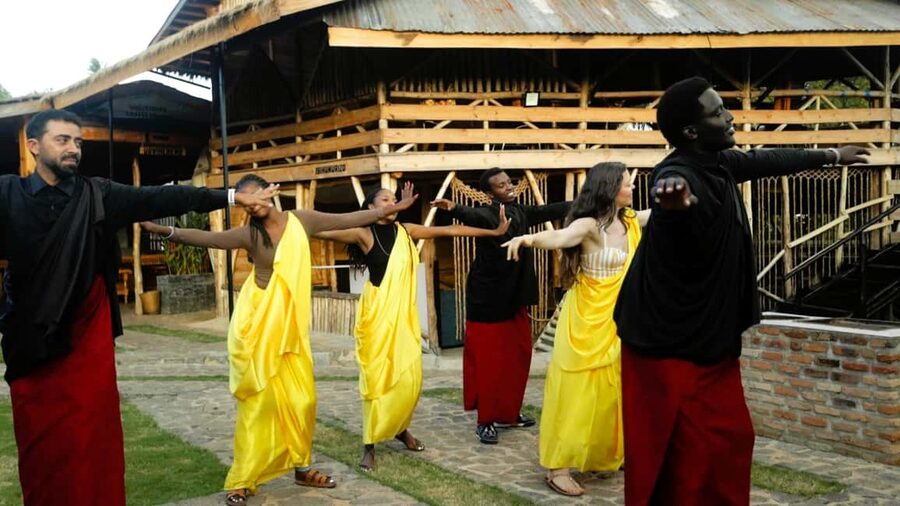
- Live Amaraba instruction: Local dancers teach the movements step by step, so you take part instead of simply watching.
- Drumming sets the pace: The session follows the pulse of traditional Rwandan drums, adding energy and a real sense of occasion.
- Culture behind the movement: You learn the stories, symbolism, and purpose connected with the dance.
- A social welcome: The atmosphere is friendly and open, with time to ask questions and have photos taken with the dancers.
- One hour, English instruction: The short format fits neatly into a day of sightseeing in Kigali.
- Best for active visitors age 10 to 70: Children under 10, people over 70, and anyone with impaired mobility should choose another activity.
Why Amaraba is worth an hour in Kigali
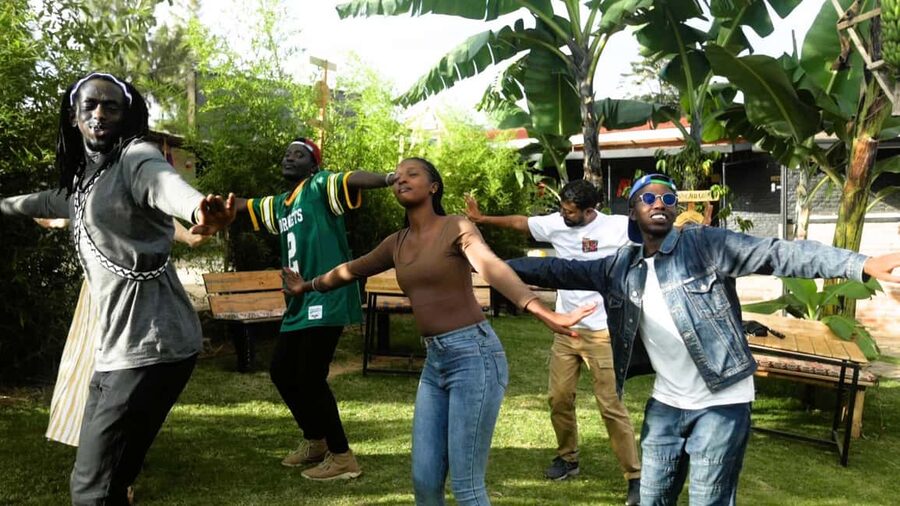
Kigali is easy to experience from a car window. You can visit sights, take photos, and move on to the next stop. Amaraba dance asks you to do something different: use your body, listen closely, and join a local cultural practice.
That difference matters. You may not remember every step after the session, but you will better understand how movement, music, clothing, and group participation work together in Rwandan dance. The activity turns culture into something active and memorable.
Amaraba is presented here as a participatory dance experience rather than a formal stage show. You are not expected to sit quietly while professionals perform. The dancers guide you through the process, explain what you are doing, and help you follow along. That makes the session suitable for people who want more than a photo opportunity.
I especially like the balance between instruction and fun. You receive cultural context, but the hour is not treated like a lecture. There is room to laugh, make mistakes, and try the sequence again. If you have two left feet, you are unlikely to be the only one.
More cultural experiences in Kigali:
- Kigali: Mount Kigali and Cultural Village Tour with Snacks
★ 4.8 · 62 reviews - Kigali: Traditional Coffee Experience ( Bean to Brew)
★ 4.8 · 54 reviews - Kigali: Traditional Basket Weaving in a Garden
★ 4.8 · 41 reviews
The opening drumbeat and first dance lesson
The session begins with a performance entrance and an introduction to the dance. Once the drums start, the mood shifts quickly from explanation to participation. The sound gives you a clear rhythm to follow, even if the movements are new.
You will learn the basic gestures and steps directly from local dancers. The instruction is described as step by step, which is important because traditional dance can look effortless when performed by experts. From your side of the room, the timing and coordination may take a little work.
The dancers guide you through sequences rather than expecting you to copy a full routine immediately. This makes the experience less intimidating and gives you a chance to watch the movement before trying it yourself.
The drumming is more than background music. It helps organize the session and gives the dance its pulse. You will need to listen as well as watch, since the rhythm tells you when to begin, change, or repeat a movement.
Learning the meaning behind each movement
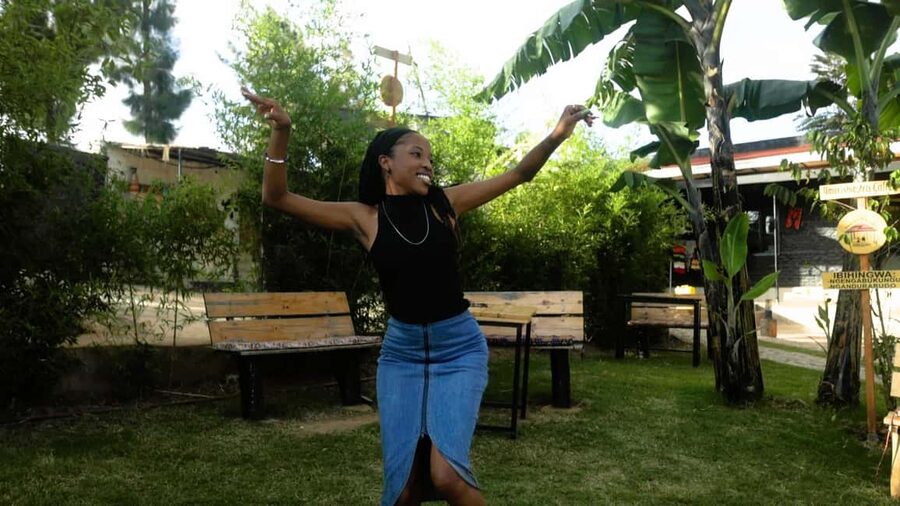
The best part of this activity is the explanation behind the dance. The local guide and performers share cultural details about the movements, gestures, and sequences, so you are not just repeating shapes with your arms and feet.
That context gives the session more weight. A gesture can carry meaning, and a series of movements can tell a story or express a shared idea. You do not need prior knowledge of Rwandan dance to follow the class, since the cultural significance is explained in English.
Ask questions as you go. The activity specifically allows time for interaction with the dancers, and that is where you can gain the most from the session. If you are curious about the costumes, the rhythm, or the reason for a particular gesture, this is the moment to ask.
I would approach the lesson with curiosity rather than a need to perform perfectly. You are there to learn and participate. The dancers’ job is to guide you, not grade you.
Colorful costumes, photos, and the social side
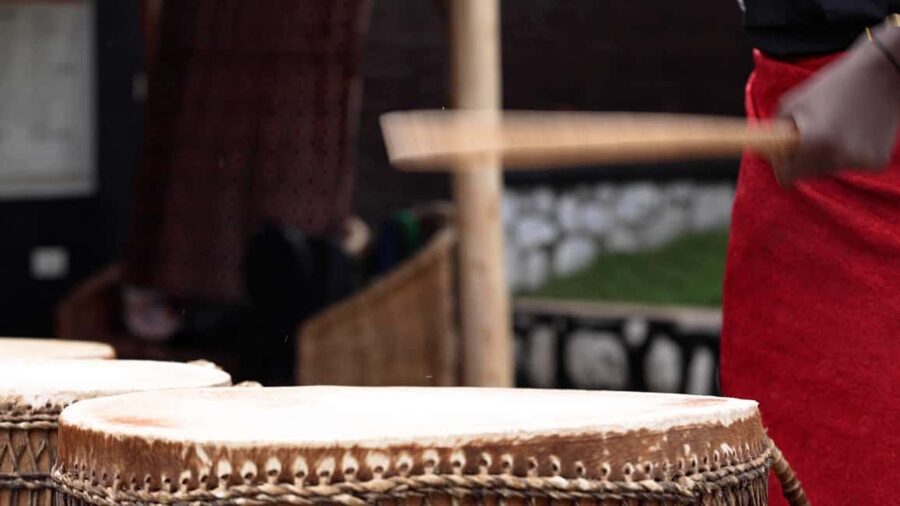
The costumes add a strong visual element to the experience. The bright clothing and energetic movements make photos appealing, especially once the dancing gets underway.
You can bring a camera and may have photos taken with the dancers. Remember that a camera is listed as something to bring, but personal photography is still best handled with respect. Ask before taking close-up portraits, and follow any instructions from the performers.
The social setting is another reason to choose this activity. The welcome is repeatedly described as warm and friendly, which fits the nature of the session. You are given a chance to interact with the people leading the dance rather than keeping a firm line between performer and audience.
That warmth can matter in Kigali, especially if you are looking for a cultural encounter that feels personal without requiring a full day. The hour is long enough to form a connection, but short enough that it will not take over your sightseeing plans.
A different idea for another day in Rwanda:
- Kigali City Tour
★ 5.0 · 452 reviews - Kigali: Walking Tour with a Local Guide
★ 4.9 · 234 reviews - One-day Akagera National Park Game Drive with a Choice 4×4
★ 5.0 · 105 reviews - Private Full-day Kigali City Tour with Pickup and Lunch
★ 5.0 · 79 reviews
What the one-hour schedule means for your day
At one hour, this is a compact activity. You can place it before or after another Kigali visit, though the exact start times depend on availability when you book.
The short length is helpful if you are fitting several activities into a busy itinerary. It also keeps the physical demand manageable for visitors who are comfortable standing and moving. You are unlikely to feel trapped in a long workshop if the style of dance is not quite your thing.
There is a tradeoff. One hour gives you an introduction, not a full course in Amaraba dance. You will learn selected steps, gestures, and sequences, but do not expect to leave as a trained performer.
The activity is conducted in English. That makes the explanations accessible to English-speaking visitors, though the dance itself communicates through rhythm and movement as much as words.
The $30 question: good value or not?
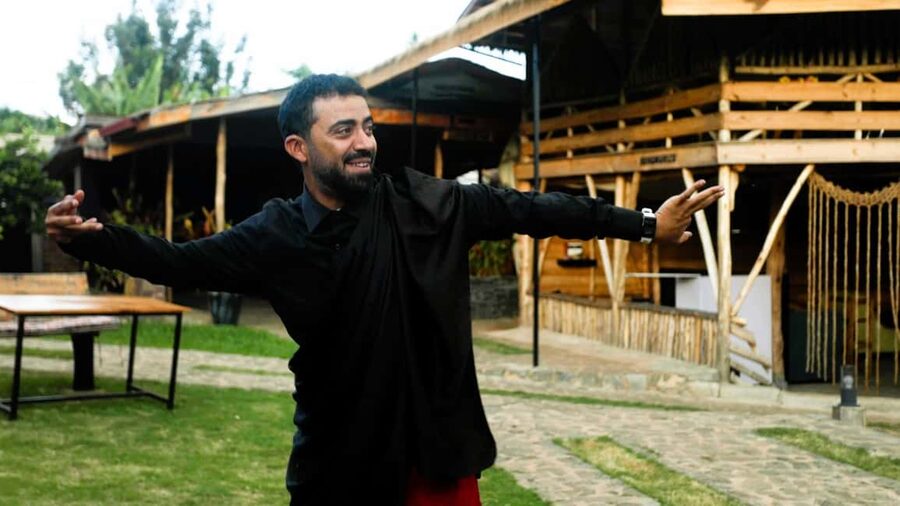
The price is $30 per person. For that fee, you receive the performance entrance, guided cultural explanations, a chance to dance with the performers, and photo opportunities.
I consider that reasonable value if you want an active cultural experience in Kigali. You are paying for direct instruction and interaction, not merely a seat in an audience. The local context and participation are the main benefits.
The value is weaker if you only want to watch dance. Since the session is built around participation, someone hoping for a polished show with no physical involvement may not get the best return.
The price also does not include transport, meals, refreshments, or souvenirs. Budget for getting to and from the venue separately. One useful detail from the activity is that other food options may be available at the location, but dinner is not part of the $30 package and should not be assumed.
The reservation terms add flexibility. You can reserve now and pay later, and cancellation is free up to 24 hours before the activity for a full refund. Those terms are useful when your Kigali schedule is still changing.
Who will enjoy Amaraba most
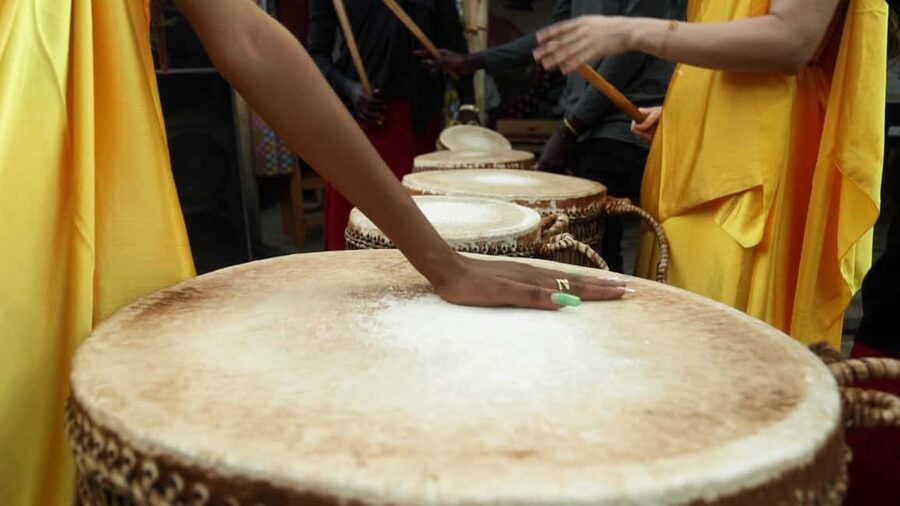
This experience suits you if you like learning by doing. You should be comfortable standing, following instructions, and making a little noise with your feet while the drums are going.
It is particularly good for:
- Adults and older children age 10 and above who enjoy music and movement
- Visitors seeking a short cultural activity rather than a full-day tour
- People who want direct contact with local dancers
- Photographers interested in costumes and action shots
- Couples, friends, and families with older children who enjoy shared activities
- Anyone who wants to ask questions about Rwandan dance and cultural meaning
It is not suitable for children under 10. Loud drumming may overwhelm little children, and the activity does not provide a quiet spectator option as its main format.
People over 70 and anyone with impaired mobility should also avoid booking it. The session requires you to be on your feet and moving around for most of the hour. If you have a condition that makes standing difficult, choose a seated cultural program instead.
Practical tips for a smoother session
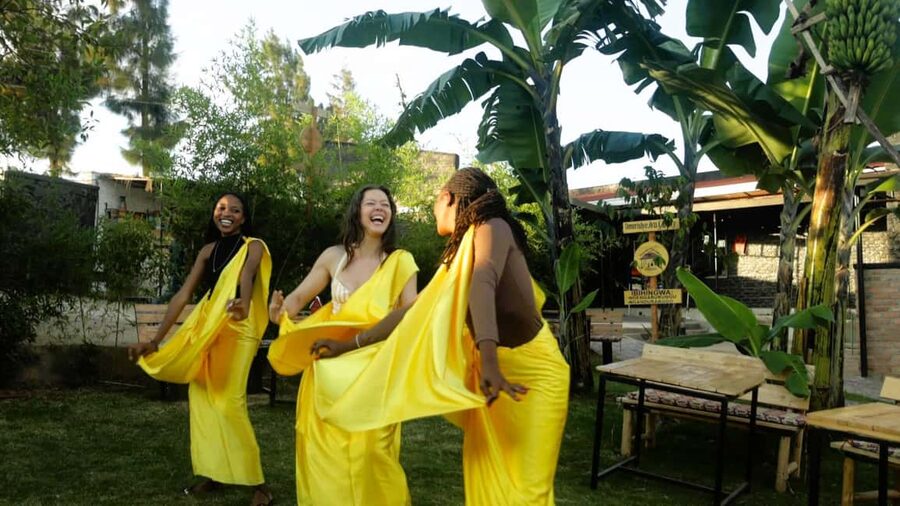
Wear clothing that lets you move comfortably. The activity information does not specify a dress code, but loose, practical clothing makes more sense than anything restrictive.
Bring a camera if photos matter to you. You may be able to take pictures with the dancers, and the costumes and movement make the visual side of the session worthwhile.
Arrive ready to participate. This is not the place to remain on the edge of the room with folded arms. You will get more from it if you copy the steps, ask questions, and accept that your first attempt may look nothing like the instructor’s.
Keep your expectations realistic. The session lasts one hour, so it offers a taste of Amaraba dance and its cultural background. It is not a long rehearsal, a professional dance class, or a complete survey of every Rwandan dance tradition.
Alcohol and drugs are not allowed. Baby strollers and baby carriages are also not permitted, which reinforces the point that this is an active session rather than a family activity for infants or toddlers.
How it compares with a standard dance performance
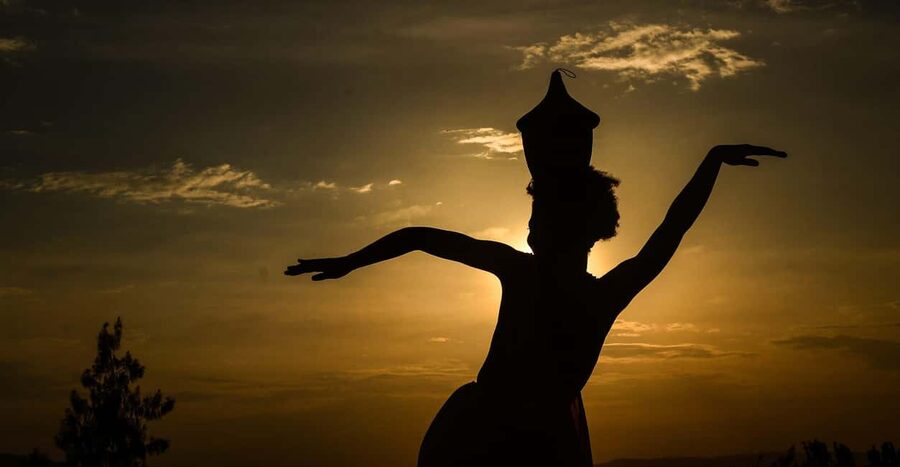
A standard performance lets you admire skill from a comfortable seat. Amaraba offers a different exchange. You watch briefly, then try the movement yourself, receive guidance, and repeat it with the drum rhythm.
That makes the session less polished from your point of view, but more personal. You may miss some of the finer details because you are busy keeping up. In return, you gain a physical sense of the rhythm and a better idea of how the dance feels from inside the circle.
I would choose this over a passive performance if your goal is contact and understanding. I would choose a regular show if you want a quiet evening of professional entertainment.
The activity also seems to work well as a welcome to Kigali. A friendly local introduction through music can help you feel more at ease in the city, especially early in your trip. It gives you something to talk about and a cultural reference point for later experiences.
What the strong feedback tells you
The most consistent praise centers on the people. The welcome is described as friendly, warm, and open, and that is important for an activity that asks you to join in quickly.
The fun factor is also clear. Visitors from the United Kingdom, South Korea, Bangladesh, Morocco, Rwanda, and the United States all described the session as enjoyable or recommended it. That broad response suggests the format works across language and cultural backgrounds, especially because the instruction is in English and the dance is easy to approach through imitation.
One particularly useful detail is that a visitor from Morocco enjoyed the dance and later stayed for dinner, describing the meal as excellent. Dinner is not included, so treat this as a possible extra at the venue rather than part of the booked activity. The same account notes that other activities may be offered there, which could make the location worth more of your evening if you want to extend your visit.
The overall score is 4.8 from 12 ratings. That is a small sample, but it supports the clear pattern: people value the welcome, the fun, and the cultural connection more than technical dance training.
Should you book the Amaraba dance experience?
Book it if you want an active, friendly introduction to Rwandan culture and you are happy to move with live drumming. The $30 fee is fair for direct instruction, cultural explanation, participation, and the chance to take photos with the dancers.
Skip it if you need a seated activity, dislike loud music, are traveling with children under 10, or want a long and serious dance course. Also remember to arrange your own transport and budget separately for food or drinks.
For most physically able visitors between 10 and 70, this is a smart one-hour addition to a Kigali itinerary. You will not master Amaraba in a single session, but you will leave with a few new movements, a better feel for Rwandan dance, and a memorable story that began with a drumbeat.
FAQ
How long does the Amaraba dance experience last?
The experience lasts one hour.
How much does the activity cost?
The price is $30 per person.
Is the instruction offered in English?
Yes. The instructor and cultural explanations are provided in English.
Do I get to participate in the dancing?
Yes. You can learn and perform Amaraba movements with the local dancers during the session.
Is transportation included?
No. Transportation to and from the venue is not included.
Can I take photos with the dancers?
Yes. There is an opportunity to take photos with the dancers, and you should bring a camera if you want pictures.
Who should not take part?
The activity is not suitable for children under 10, people over 70, or people with impaired mobility. Little children may also become overwhelmed by the loud drumming.
Just added around Kigali
- Kigali City Tour and Sightseeing★ 5.0 · 3 reviews
- Home staying experience★ 5.0 · 3 reviews
- 3-Day Rwanda Gorilla Safari★ 4.5 · 3 reviews
- 2 Days Gorilla Trekking Rwanda★ 5.0 · 3 reviews
- 1 Day Rwanda Gorilla Trekking★ 5.0 · 3 reviews
- Kigali: Traditional Carpet Weaving (Ikirago) + amazing views★ 5.0 · 3 reviews
- Kigali: Guided City Tour let us learn, enjoy together ❤️★ 3.6 · 3 reviews
- 1 Day Gorilla Trekking Safari in Rwanda Volcanoes National Park★ 5.0 · 3 reviews
Cultural & Traditional Village Experiences, compared.
Mount Kigali and Cultural Village Tour with Snacks
Read our review →


One Day Gorilla Trekking Rwanda & Iby’iwacu Cultural Village
Read our review →
Traditional Kubumba Pottery Making with Local Women
Read our review →Browse the lists this tour appears in