
Review · CULTURAL & TRADITIONAL VILLAGE EXPERIENCES
A Day in the Life of a Local Artisan
Rural Rwanda begins with a hoe, a cooking pot, and a warm welcome. This Azizi Life experience takes you from Kigali toward a village near Muhanga, where you spend the day alongside a local family or women’s artisan cooperative rather than simply looking at rural life from a vehicle. I like the small maximum of six people, which gives you time for real conversation, and I like that the day includes practical work, lunch, and a hands-on weaving lesson. The main drawback is the meeting arrangement: transport from Kigali is not included in the $90 price and must be arranged for an extra charge.
The day is not a quick craft demonstration dressed up as cultural tourism. You may hoe a field, fetch water, help prepare food, cut grass for animals, and learn how sisal is woven into a simple item. That makes the experience a good fit for first-time visitors who want local context, but you should be ready for uneven surfaces and a moderate amount of physical activity.
In This Review
- What makes this Rwandan village day special
- From Gitarama to the village
- Hoeing, water, and the work of the day
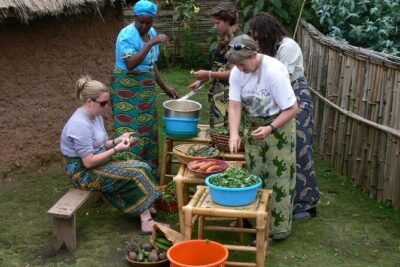
- Preparing cassava, beans, and a shared lunch
- Two hours at the sisal loom
- The people make the day
- Is $90 a fair price?
- Who will enjoy this experience most?
- Practical advice for a smoother day
- Should you book A Day in the Life of a Local Artisan?
- FAQ
- Where does the experience meet?
- Is transportation from Kigali included?
- What transportation is included?
- How long does the experience last?
- What food is served for lunch?
- Is weaving included?
- Can I buy handmade items?
- How many people can participate?
- Is cancellation free?
What makes this Rwandan village day special
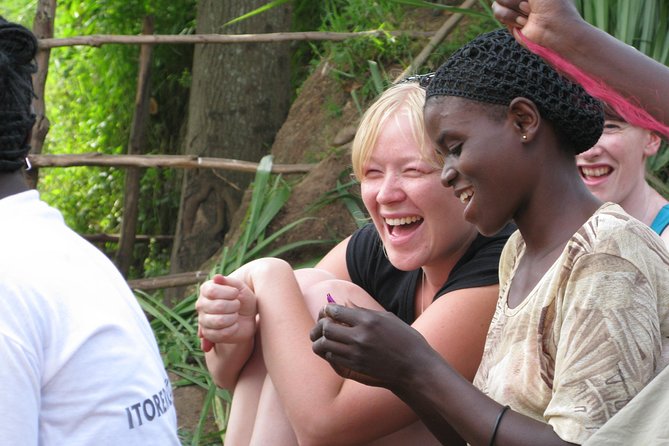
- You take part in ordinary work: Farm chores, fetching water, cooking, and craft work give you a better feel for daily life than a standard sightseeing stop.
- The group is limited to six: A small group leaves room for questions, translation, and personal time with your hosts.
- Lunch is food the family normally eats: The vegetarian meal may include cassava and beans, served in the home setting rather than a tourist restaurant.
- The craft lesson lasts two hours: You receive one-to-one instruction in making a simple sisal item.
- The experience supports local artisans: You can buy baskets, jewelry, and other handmade goods directly through the cooperative gift shop.
- The schedule can feel personal: Past arrangements have included time with a potter, traditional coffee activities, singing, dancing, and an overnight stay, although these are not guaranteed parts of the listed day program.
From Gitarama to the village
The official meeting point is on NR1 in Gitarama, also called Muhanga Town. This detail matters. The experience is described as being near Kigali, roughly an hour away in favorable conditions, but the included return transport is from Muhanga Town to the village, not from Kigali to Muhanga.
You can ask Azizi Life to arrange transport from Kigali for an additional fee. Do this before booking your day, especially if you want a simple door-to-door plan. If you arrange your own ride, confirm exactly where and when you should meet the guide.
The day begins with a briefing. This is a useful moment to hear how the visit will work, what the family or cooperative does, and how to approach the activities respectfully. The experience is private to your own booking, but the general product also lists a small group limit of six, so ask how your party will be handled when you reserve.
The drive out of Kigali is part of the change in mood. City traffic gives way to smaller communities and cultivated hills. You may have time to ask the guide about Rwanda, family life, and the village you are visiting. One past day included a guide named Richard, while other visitors worked with an interpreter alongside hosts such as Theogene and Rose. Staffing can vary, but the useful feature is the presence of a local guide or host who can help bridge language and cultural gaps.
More cultural experiences in Kigali:
- Kigali: Mount Kigali and Cultural Village Tour with Snacks
★ 4.8 · 62 reviews - Kigali: Traditional Coffee Experience ( Bean to Brew)
★ 4.8 · 54 reviews - Kigali: Traditional Basket Weaving in a Garden
★ 4.8 · 41 reviews
Hoeing, water, and the work of the day
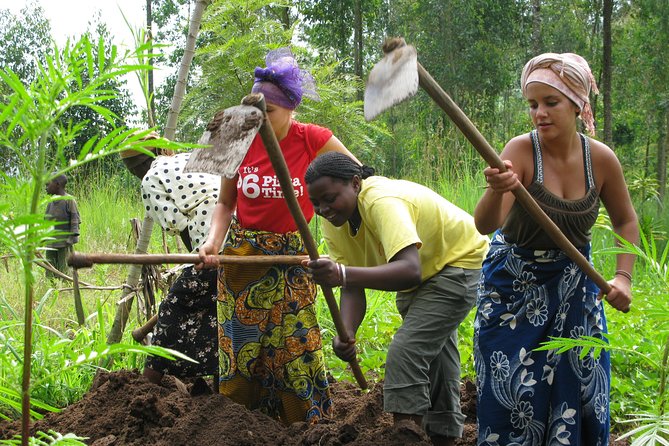
At the village, your welcome comes from the artisans and their families. The first activities are practical rather than staged. You may try subsistence farming, hoeing a garden or helping plant crops. Depending on the day and season, you might also cut grass for cows or take part in another small household task.
You do not need to be an experienced farmer. The point is to try, listen, and understand how much work goes into ordinary food and household routines. Still, this is not a passive outing. Uneven ground, outdoor chores, and walking make the stated moderate fitness requirement worth taking seriously.
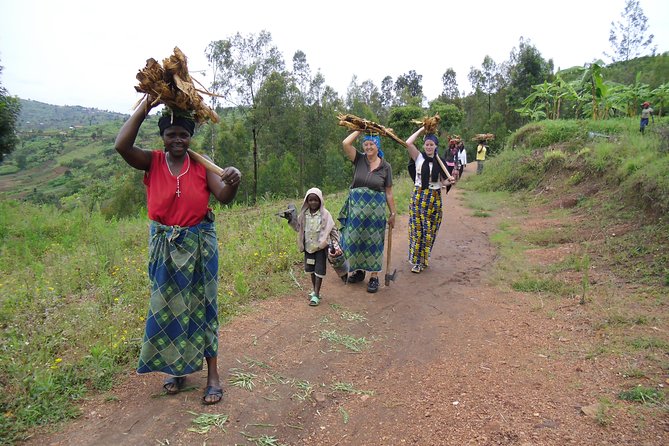
Fetching water is another central activity. It offers a simple but striking lesson in time and effort. You are not just hearing that rural families have daily chores. You are walking with local people and handling one of the jobs that shapes their day.
The pace should remain flexible, but do not expect every minute to run like a city tour. Farm work depends on the household, the weather, and what needs doing. That unpredictability is part of the appeal, though it also means the exact order of activities can change.
Preparing cassava, beans, and a shared lunch
Food is one of the best parts of the day because lunch is based on what the family would normally eat. The listed meal is vegetarian, with cassava and beans among the expected dishes. You may help with food preparation before sitting down to eat.
This is a good place to slow down. The meal gives you time to ask about community life, work, family, and local customs. Your hosts may also ask about your home country, so the conversation works both ways. That exchange is more valuable than a short performance followed by a souvenir purchase.
The food is simple, not a polished hotel buffet. If you prefer familiar restaurant meals, this may feel basic. I see that as a fair trade for eating the kind of food prepared in the household, but anyone with dietary restrictions should raise them when booking because the supplied details only specify a vegetarian style.
Plan on about an hour for lunch. Bottled water is included, which is helpful during a warm day of outdoor activity. Gratuities are also included, along with the local guide and tour host, so you do not need to calculate a tip into the advertised price.
Two hours at the sisal loom
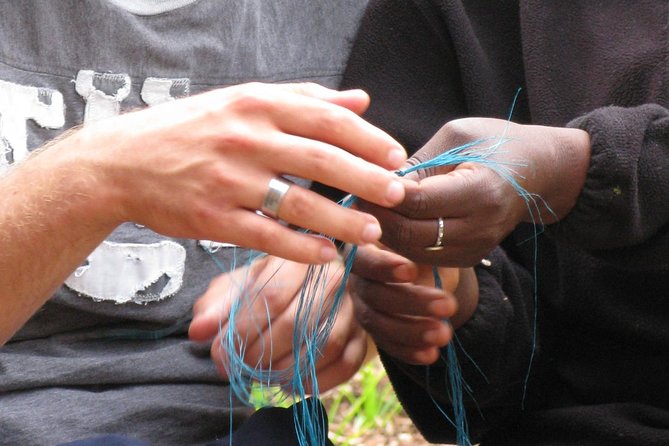
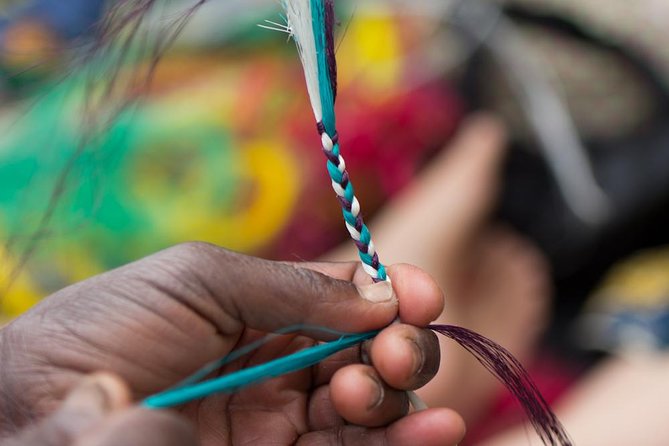
After lunch, the day turns to craft. You receive about two hours of one-to-one instruction in weaving a simple item from sisal. That personal teaching time is a real strength. You can ask for help with each step, rather than watching a fast demonstration from the back of a group.
Sisal weaving takes patience. Do not expect to produce a perfect basket on your first attempt. The value lies in learning how a useful handmade object takes shape and in gaining respect for the skill behind the finished goods sold by the cooperative.
The craft portion also gives the day a lasting reminder. Instead of taking only photographs, you may leave with something you made yourself. You can also buy local handicrafts at the gift shop, including woven goods such as baskets and jewelry. Those purchases are not included in the price, so bring extra money if you want to support the artisans directly.
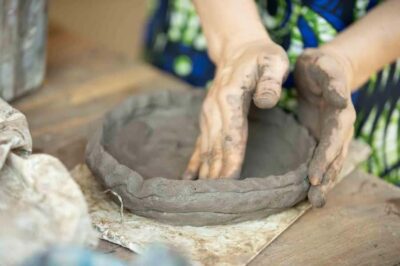
Craft activities can vary by host arrangement. Past experiences connected with Azizi Life have included time with a skilled potter, collecting clay from a nearby river, and making an object chosen by the participant. The advertised day centers on sisal weaving, so treat pottery and other craft themes as possible alternatives or separate experiences, not guaranteed inclusions.
A different idea for another day in Rwanda:
- Kigali City Tour
★ 5.0 · 452 reviews - Kigali: Walking Tour with a Local Guide
★ 4.9 · 234 reviews - One-day Akagera National Park Game Drive with a Choice 4×4
★ 5.0 · 105 reviews - Private Full-day Kigali City Tour with Pickup and Lunch
★ 5.0 · 79 reviews
The people make the day
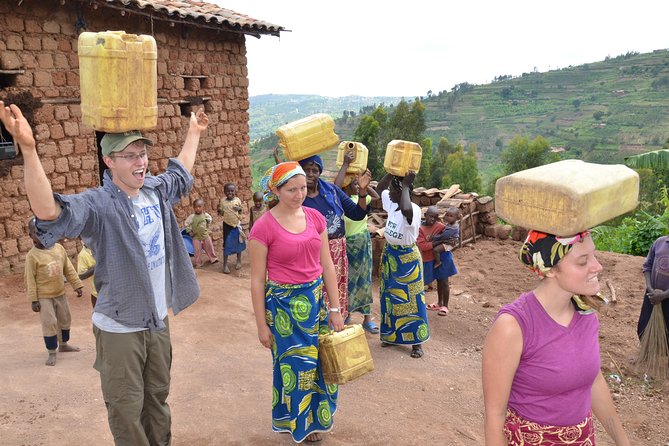
The strongest part of this experience is not a single attraction. It is the human contact created by doing small jobs together. The women of the cooperative have been described as friendly, patient, generous, hardworking, and good-humored. Those qualities matter because a visitor can feel awkward when trying unfamiliar chores.
You may find that singing, dancing, jokes, and informal conversation appear naturally during the day. These moments are not listed as guaranteed scheduled stops, but they have been part of past visits. The result can feel less like a lesson and more like spending time with people who are willing to share their routines.
An interpreter may stay near you throughout the visit. That is especially useful if you want to ask more than basic questions. The guide can help with practical instructions, but you should still allow the conversation to develop at its own pace. A day like this works best when you are curious without turning your hosts into a display.
There is also room for serious conversation. One past visit included discussion of family experiences during the 1994 genocide and the challenge of finding work. Those subjects may arise, or they may not. If they do, listen carefully and let your hosts guide the depth of the conversation.
Is $90 a fair price?
At $90 per person, the value depends mainly on how you handle the transport issue. Included are lunch, bottled water, a local guide, a tour host, gratuities, and return transport between Muhanga Town and the village. You also receive a full day of activities, with roughly two hours devoted to individual weaving instruction.
That is a reasonable package for someone who wants more than a short village photo stop. The small group size adds value because the guide can translate and the host can give you direct attention. Lunch and transport within the local area also simplify the day.
The price is less attractive if you assume it includes pickup in Kigali. It does not. Kigali transportation can be arranged for an additional charge, so compare the total cost with other full-day options before you commit.
The child rate applies only when a child shares with two paying adults, and at least two people must book. Families should also remember that children must be accompanied by an adult. This can work well for older children and teenagers who enjoy practical activities, but the physical setting may be tiring for very young children.
Who will enjoy this experience most?
I would recommend this day to you if you want to understand rural Rwanda through participation. It suits first-time visitors, families with active children, student groups, couples, and anyone who values conversation as much as sightseeing.
Teenagers can get a lot from it. Past school groups of 17 and 18 year olds found the activities memorable, and the mix of farming, cooking, craft work, and conversation gives young people something concrete to do.
It is also a strong choice if you want to support a community-based artisan project. Buying a basket, piece of jewelry, or another handmade object gives you a useful souvenir while directing your spending toward local producers.
I would think twice if you want a tightly timed schedule, air-conditioned comfort, or a polished cooking class. The day takes place on uneven surfaces and includes real physical chores. It is flexible and personal, but it is not designed as a luxury outing.
Service animals are allowed, and the meeting point is near public transportation. Even so, confirm the details in advance because the village setting may involve rough ground and activity areas that are not easy to navigate.
Practical advice for a smoother day
Wear clothes you can work in and shoes that handle uneven ground. You may hoe, walk to fetch water, help prepare food, and sit for a long craft lesson, so comfort matters more than dressing up.
Bring sun protection and keep water with you, even though bottled water is provided. A small bag is useful for anything you buy at the gift shop, but avoid bringing more than you need.
Ask about the Kigali pickup when making the reservation. The stated meeting point is NR1 in Gitarama, and the listed operating window shows departures between 8:00 and 11:00 a.m. The full activity lasts about eight hours, so confirm your exact start time rather than relying on the broad opening hours.
If you have food allergies, mobility concerns, or questions about the level of farm work, explain them before arrival. The experience requires moderate fitness, and the meal is described as vegetarian, but detailed dietary arrangements are not provided.
Free cancellation is available if you cancel at least 24 hours before the local start time. Changes or cancellations made within 24 hours are not accepted for a refund.
Should you book A Day in the Life of a Local Artisan?
Yes, if you want a grounded day near Kigali that puts you beside local people instead of keeping you behind a tour window. The combination of farm work, water collection, food preparation, a shared cassava and bean lunch, and two hours of sisal weaving offers a clear sense of how work and craft fit together in rural Rwanda.
Book with two cautions in mind: arrange Kigali transport separately, and expect an active day on uneven ground. If those points suit you, $90 buys more than a meal and a craft lesson. It gives you time, conversation, and a handmade connection to the community you visit.
FAQ
Where does the experience meet?
The listed meeting point is on NR1 in Gitarama, Rwanda, also known as Muhanga Town.
Is transportation from Kigali included?
No. Transportation from Kigali is not included in the $90 price, but it can be arranged on request for an additional charge.
What transportation is included?
Return transport from Muhanga Town to the village is included.
How long does the experience last?
The activity lasts approximately eight hours.
What food is served for lunch?
Lunch is local Rwandan food prepared in a vegetarian style. Cassava and beans are specifically listed as examples.
Is weaving included?
Yes. The day includes about two hours of one-to-one instruction in weaving a simple item from sisal.
Can I buy handmade items?
Yes. You can purchase local handicrafts at the gift shop, but those items cost extra.
How many people can participate?
The experience is limited to six guests, and the booking requires a minimum of two people.
Is cancellation free?
Yes, if you cancel at least 24 hours before the experience start time. Cancellations or changes made less than 24 hours in advance are not eligible for a refund.
Just added around Kigali
- Kigali City Tour and Sightseeing★ 5.0 · 3 reviews
- Home staying experience★ 5.0 · 3 reviews
- 3-Day Rwanda Gorilla Safari★ 4.5 · 3 reviews
- 2 Days Gorilla Trekking Rwanda★ 5.0 · 3 reviews
- 1 Day Rwanda Gorilla Trekking★ 5.0 · 3 reviews
- Kigali: Traditional Carpet Weaving (Ikirago) + amazing views★ 5.0 · 3 reviews
- Kigali: Guided City Tour let us learn, enjoy together ❤️★ 3.6 · 3 reviews
- 1 Day Gorilla Trekking Safari in Rwanda Volcanoes National Park★ 5.0 · 3 reviews
Cultural & Traditional Village Experiences, compared.
Mount Kigali and Cultural Village Tour with Snacks
Read our review →


One Day Gorilla Trekking Rwanda & Iby’iwacu Cultural Village
Read our review →
Traditional Kubumba Pottery Making with Local Women
Read our review →Browse the lists this tour appears in