
Review · CULTURAL & TRADITIONAL VILLAGE EXPERIENCES
Kigali: Traditional Carpet Weaving (Ikirago) + amazing views
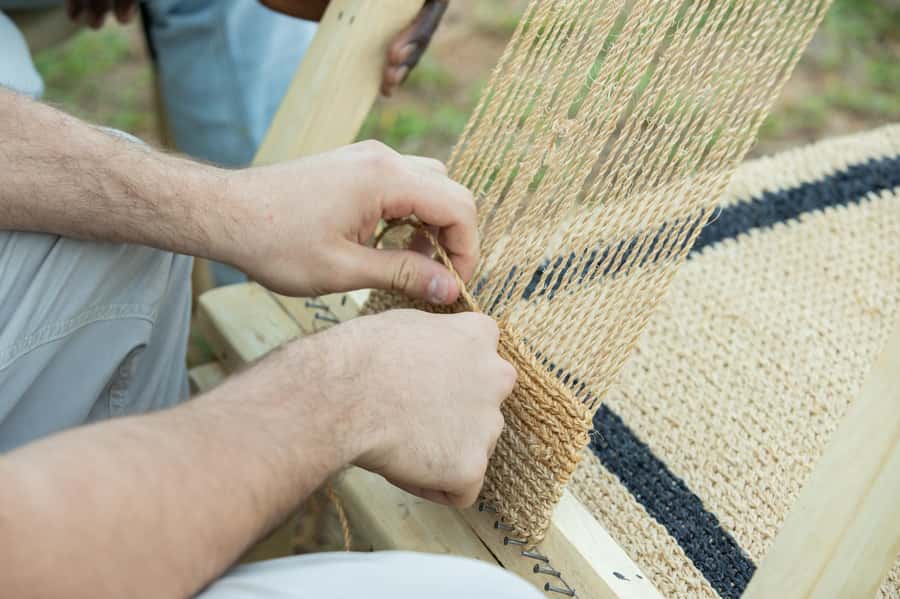
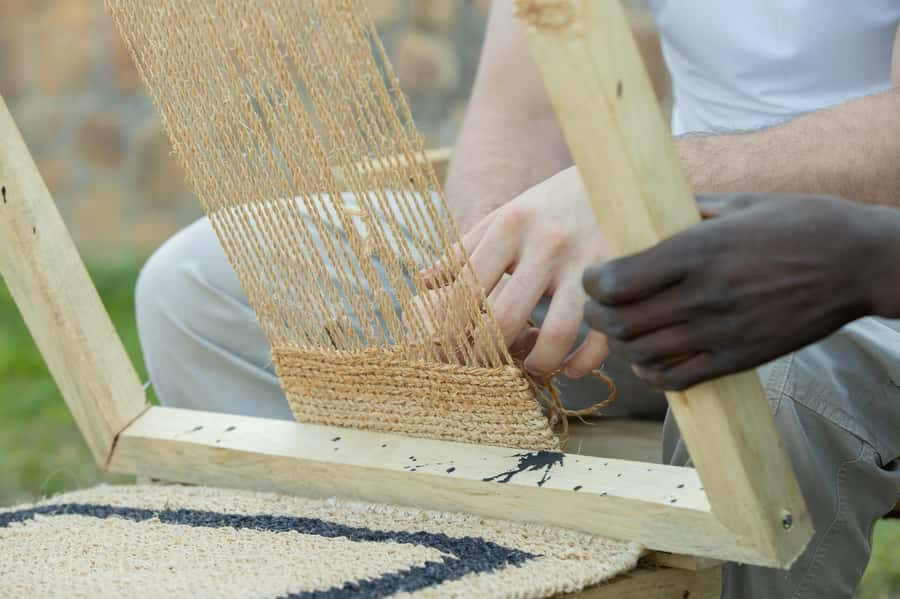
Make something you can carry home. This three-hour Kigali workshop lets you learn Ikirago carpet weaving from local artisans, using sisal fiber and traditional methods. I like the hands-on format, and I like that your finished piece is useful as a wall hanging, table mat, or small decoration. The main drawback is time: beginners who work slowly may need more than three hours to finish.
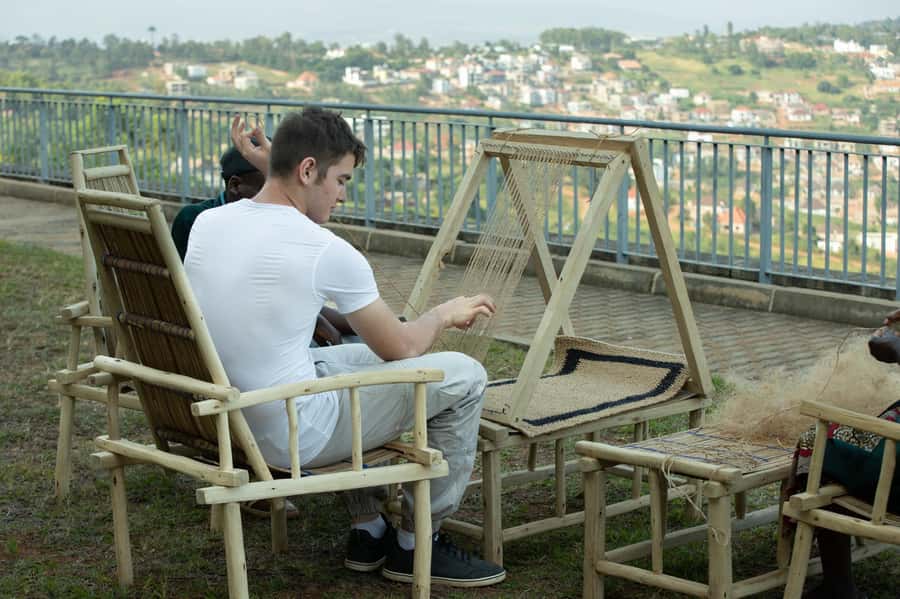
You will work in a traditional weaving studio rather than simply watching a demonstration. The session also includes cultural background, pattern and color meanings, help from English-speaking instructors, and a look at other designs in the workshop. The setting is described as a beautiful place with impressive views, which gives the activity a pleasant break from Kigali’s usual city sightseeing.
- You weave your own mini Ikirago carpet using sisal fiber and supplied tools.
- Local artisans guide every stage, making the workshop suitable for beginners.
- The cultural lesson comes before the weaving, with stories behind colors and patterns.
- You work inside a traditional weaving studio, where you can see larger examples and active production.
- The price is $30 per person for three hours, materials, instruction, and your finished piece.
- The workshop has a calm, creative pace, but some people may need extra time to complete their carpet.
In This Review
- Why Ikirago Weaving Makes a Good Kigali Activity
- Starting With the Story Behind the Pattern
- Working With Sisal Fiber and Traditional Tools
- What Your Mini Carpet Can Become
- Touring the Studio and Meeting the Working Tradition
- Is Three Hours Enough?
- What the $30 Price Includes
- Planning Your Visit to the Kigali Workshop
- Who Will Enjoy This Experience Most?
- Should You Book the Ikirago Workshop?
- FAQ
- How long does the Ikirago weaving workshop last?
- How much does the experience cost?
- Is the workshop suitable for beginners?
- What materials and tools are provided?
- What will I take home?
- Is transportation from my hotel included?
- What should I bring and wear?
Why Ikirago Weaving Makes a Good Kigali Activity
Kigali offers plenty of ways to see Rwanda, but a craft workshop gives you something different: time to sit down, use your hands, and learn directly from people who practice a local tradition. Ikirago carpets are not just attractive objects. Their patterns and colors carry cultural meaning, and the opening part of the session helps you understand that before you start copying the technique.
I like that the activity does not treat weaving as a quick souvenir stop. You receive background on the importance of Ikirago carpets, then move into the work itself. That order matters. Once you understand that the designs have stories behind them, your own small piece feels less like a generic craft project.
The experience is also personal in a practical way. You do not simply buy a finished carpet and take it home. You make one with guidance from local artisans. Your result may not look as polished as the work produced by an expert, but that is part of the appeal. You leave with an object that records your time in Kigali.
The workshop is conducted in English, and no previous weaving skill is needed. That makes it a good fit if you want cultural contact without signing up for a demanding class. The age guidance is clear: the activity is not suitable for children under 12 or people over 70.
Starting With the Story Behind the Pattern
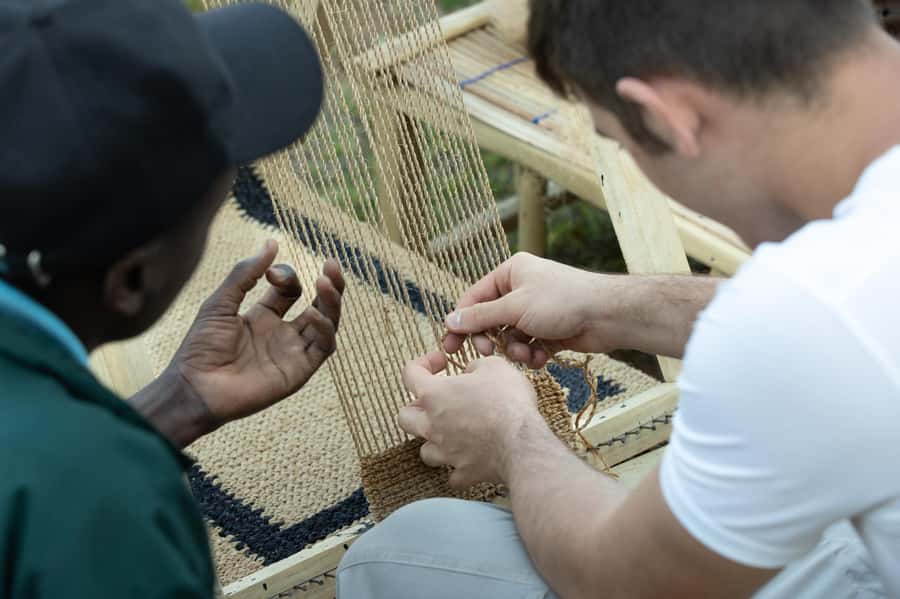
The first part of the session introduces Ikirago from a cultural and historical point of view. You learn why the carpets matter, how designs are used, and what certain colors and patterns can communicate.
This introduction gives you a better way to look at the finished examples around the studio. Instead of seeing only lines, shapes, and blocks of color, you begin to notice that the work has a visual language. I would pay close attention here and ask questions before the practical work begins, since this is the part that turns a pleasant handicraft lesson into a meaningful cultural activity.
The information available does not give a fixed minute-by-minute schedule, so the length of the introduction may vary. The whole session lasts three hours, and the time is shared between instruction, weaving, and the studio visit. If you are especially interested in the cultural side, tell the instructor early. That helps you get the most from the explanation before the class becomes focused on technique.
This opening talk also helps set expectations. Traditional weaving is built on patience and repetition. You are not being promised a machine-perfect object in a short time. You are learning enough to make a small carpet while gaining respect for the work behind larger pieces.
More cultural experiences in Kigali:
- Kigali: Mount Kigali and Cultural Village Tour with Snacks
★ 4.8 · 62 reviews - Kigali: Traditional Coffee Experience ( Bean to Brew)
★ 4.8 · 54 reviews - Kigali: Traditional Basket Weaving in a Garden
★ 4.8 · 41 reviews
Working With Sisal Fiber and Traditional Tools
After the introduction, you get to the main task: weaving. All necessary materials and equipment are provided, including the sisal fiber and tools needed for the workshop. You may bring a favorite weaving tool if you have one, but you do not need to pack equipment to take part.
Sisal is a natural fiber with a firm texture, so your hands will be doing real work. The instructor first shows you the basic method, then helps you copy it. Local artisans remain available throughout the process, which is especially helpful when you lose the pattern, pull the fiber too tightly, or need to correct a section.
You should wear comfortable clothing. This is not a formal demonstration where you sit back and watch. You will handle materials, repeat movements, and concentrate on keeping the design even. Comfortable clothes will make the experience easier, especially if you are not used to spending several hours at a craft table.
The class is beginner friendly, but that does not mean it is effortless. One important practical point is that your speed will depend on your patience and hand coordination. Someone who takes to the method quickly may finish within the scheduled period. Someone who wants to work carefully may need more than three hours. I would treat the class as a relaxed introduction rather than a race to produce a perfect piece.
What Your Mini Carpet Can Become
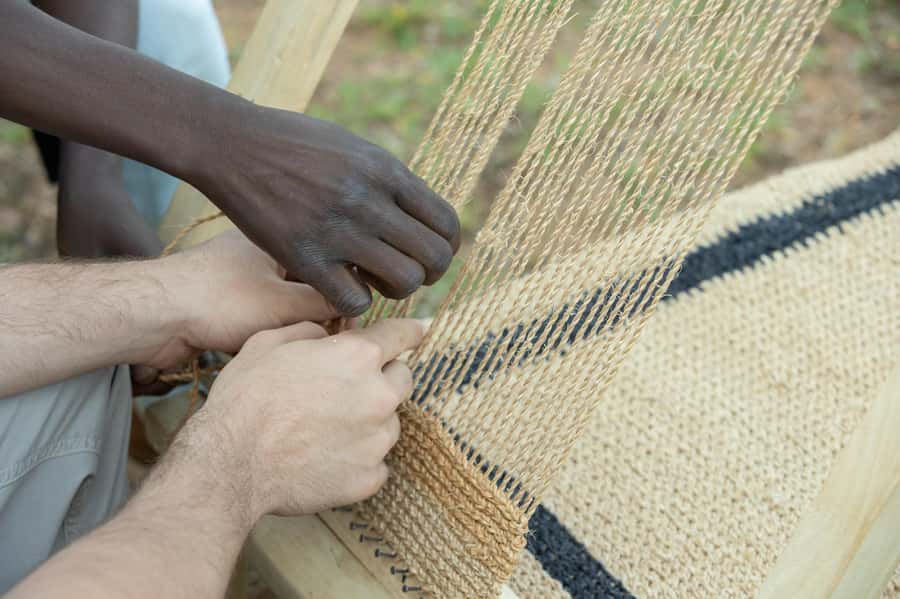
The item you make is deliberately small enough to complete during a short workshop. You can use it as a wall decoration, table mat, or another small household item. That flexibility makes it more useful than a craft that must sit in a drawer.
The final product will also be personal. Every participant works at a different pace, and small variations are part of a handmade object. If your lines are not perfectly even, that is not a failure. The point is to learn the technique and understand the effort behind the finished Ikirago carpets on display.
I would ask the artisan for advice on the best use of your piece before you leave. The information provided allows you to use it for several purposes, but the instructor may have practical suggestions based on its shape and finish. You can also photograph your work, which helps preserve the memory if you later use the carpet at home.
There is a quiet satisfaction in leaving with something you made yourself. The French-language feedback about the experience describes it as relaxing and highlights the pride of leaving with a personal creation. That matches the strongest reason to book this activity: it gives you a physical reminder of Kigali that is connected to a skill, not just a shop purchase.
Touring the Studio and Meeting the Working Tradition
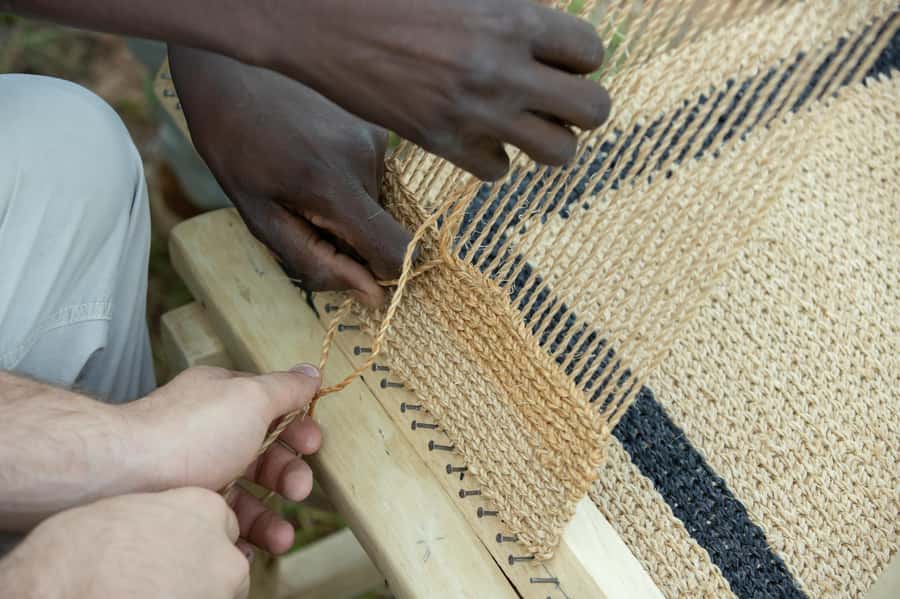
The workshop ends with a tour of the weaving studio. You can see artisans at work and look at further designs and examples. This final section gives you a chance to compare your beginner piece with more advanced work.
Do not feel discouraged by the comparison. The difference between your mini carpet and the studio’s examples is useful. It shows how much control and practice the craft requires. The studio visit also puts your own effort in context, since you can see the time and precision involved in producing larger or more detailed pieces.
The workshop environment is described as traditional and intimate. That setting matters because it keeps the focus on the craft and the people who practice it. The activity is not designed around a large sightseeing circuit or a list of rushed stops. You spend the time in one place, learning one skill properly.
The location also offers amazing views, according to the experience description. Exact details about what you will see are not provided, so I would not book this as a dedicated sightseeing viewpoint. Think of the views as a welcome bonus that makes the studio setting more enjoyable.
A different idea for another day in Rwanda:
- Kigali City Tour
★ 5.0 · 452 reviews - Kigali: Walking Tour with a Local Guide
★ 4.9 · 234 reviews - One-day Akagera National Park Game Drive with a Choice 4×4
★ 5.0 · 105 reviews - Private Full-day Kigali City Tour with Pickup and Lunch
★ 5.0 · 79 reviews
Is Three Hours Enough?
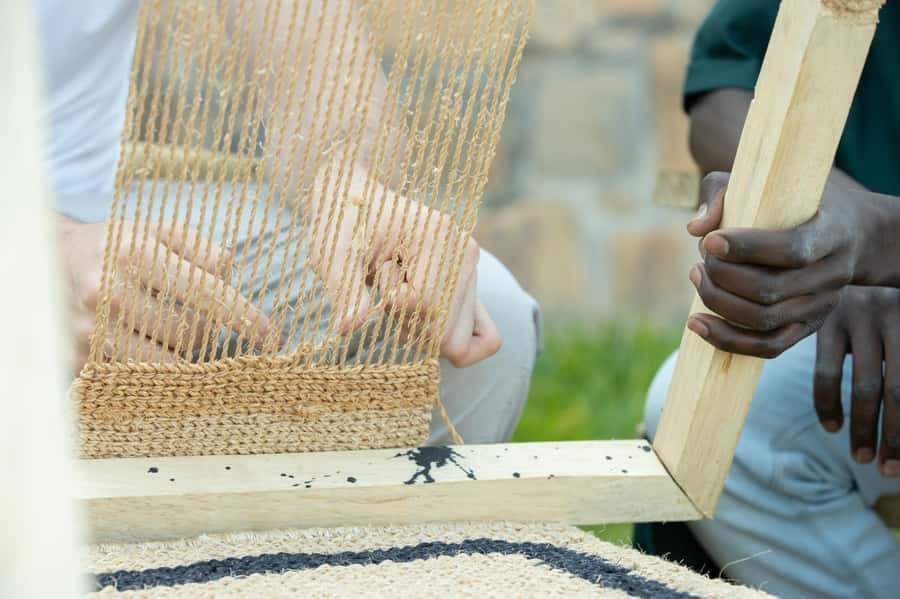
Three hours is a sensible length for an introduction. It gives you time to hear the cultural background, learn the basic technique, work on a mini carpet, and see the studio. It is long enough to feel substantial without taking an entire day from your Kigali plans.
Still, you should not expect unlimited time. If you want a highly detailed piece or you work slowly, finishing may be difficult within the scheduled session. One piece of direct feedback notes that the activity can take longer than three hours depending on your skill level. That is the clearest caution for anyone who dislikes time pressure.
Arrive at least 15 minutes early. This is not just a minor booking tip. A late arrival could cut into the explanation or the hands-on lesson, and you need the full sequence to understand what you are doing.
I would avoid scheduling another important activity immediately afterward. The workshop may finish on time, but giving yourself a little breathing room makes the day more comfortable. You also may want a few extra minutes to look at the studio’s designs or take photographs.
What the $30 Price Includes
At $30 per person, the cost is reasonable if you value instruction and a handmade item rather than a short demonstration. The price includes the guided Ikirago workshop, all required materials and tools, personal help from experienced local artisans, and your own mini carpet to take home.
That last part matters. You are paying for more than access to a room. The fee covers the fiber, equipment, teaching, cultural explanation, and the finished item. If you bought a comparable handmade piece elsewhere, you would receive the object but not the memory of making it or the understanding of how it was produced.
The value is strongest for people who enjoy active cultural experiences. If you prefer to see a craft quickly and move on, $30 may feel high for three hours. If you like learning a skill and taking home a personal result, the price is easier to justify.
Hotel pickup and drop-off are not included. Lunch and drinks are also not included, so bring food and water or plan them separately. Personal purchases and souvenirs beyond your mini carpet cost extra.
Planning Your Visit to the Kigali Workshop
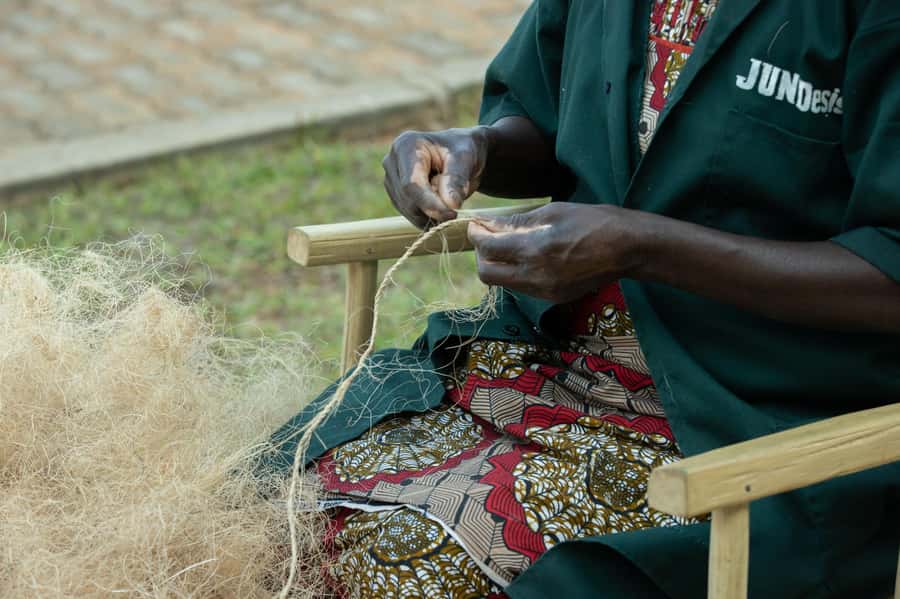
The instructor speaks English, and the class requires no previous knowledge. You should wear comfortable clothing and arrive 15 minutes early. Bring a camera if you want photographs of the studio or your finished piece, along with food and drinks for your own needs.
The activity is not suitable for children under 12 or people over 70. Baby strollers and baby carriages are not allowed, and alcohol and drugs are prohibited. These rules may limit the activity for some families, but they also fit the focused nature of a hands-on studio class.
Hotel transfers are not provided, so you need to arrange your own way to the workshop location. The supplied information identifies the area as Kigali Province but does not give a precise pickup point or transport instructions. Confirm the meeting location before you set out, especially if you are staying far from the studio.
The booking terms are flexible. You can reserve and pay later, and cancellation is free up to 24 hours before the activity for a full refund. Check the available starting times when booking, since the exact schedule is not fixed in the details provided.
Who Will Enjoy This Experience Most?
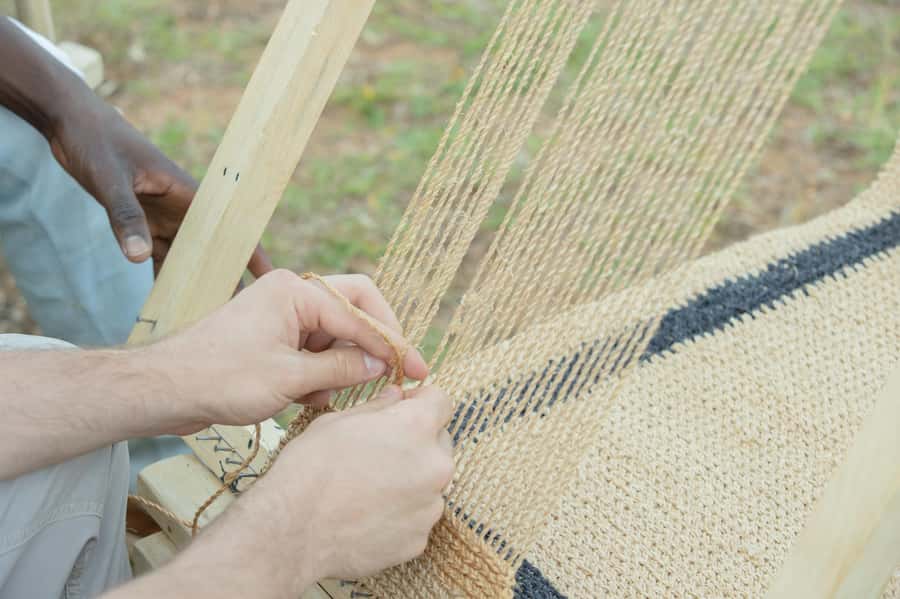
I would recommend the workshop to adults and older teenagers who like crafts, local traditions, and slower activities. It suits you especially well if you want a souvenir with a personal story or if you are tired of sightseeing that keeps you moving from one stop to the next.
It is also a good choice for anyone who enjoys meeting artisans in their working environment. You get direct instruction rather than a distant explanation, and you can ask questions as the work progresses. The English-language format makes the lesson accessible to English speakers.
You may want to skip it if your Kigali schedule is very tight, you dislike repetitive handwork, or you need hotel transportation included. You should also think twice if you expect to complete a complex carpet in one sitting. The project is small, but weaving still takes time.
The experience has received an overall score of 5 from three submitted ratings, with praise focused on its relaxing setting, patient instruction, and the pleasure of taking home a creation. One rating gave it four out of five because the maker felt more than three hours might be needed. That is a fair and useful picture: highly enjoyable, but not necessarily quick.
Should You Book the Ikirago Workshop?
Book it if you want a calm, hands-on way to connect with Kigali’s craft traditions. The strongest reasons are the personal instruction, the cultural explanation of patterns and colors, the traditional studio, and the mini carpet you make yourself.
Give yourself enough time, arrive early, and do not treat the three-hour schedule as a guarantee that your work will be perfect. At $30, the activity offers good value for anyone who wants both a lesson and a meaningful handmade souvenir.
Skip it if you are looking only for a fast photo stop or a polished carpet to buy. But if you like learning by doing, this is one of the more personal ways to spend part of a Kigali day.
FAQ
How long does the Ikirago weaving workshop last?
The workshop lasts three hours. Some beginners may need more time to finish their mini carpet, depending on their weaving speed and skill.
How much does the experience cost?
The price is $30 per person.
Is the workshop suitable for beginners?
Yes. No previous weaving knowledge is required, and local artisans provide instruction throughout the session.
What materials and tools are provided?
All necessary materials and equipment are provided, including sisal fiber. You may bring a favorite weaving tool if you wish.
What will I take home?
You will take home the mini Ikirago carpet you make during the workshop. It can be used as a wall hanging, table mat, or another small decoration.
Is transportation from my hotel included?
No. Hotel pickup and drop-off are not included, so you need to arrange your own transportation to and from the workshop.
What should I bring and wear?
Wear comfortable clothing and bring a camera, food, and drinks. Arrive at least 15 minutes early. Alcohol and drugs are not allowed, and baby strollers and carriages cannot be brought into the activity.
Just added around Kigali
- Kigali City Tour and Sightseeing★ 5.0 · 3 reviews
- Home staying experience★ 5.0 · 3 reviews
- 3-Day Rwanda Gorilla Safari★ 4.5 · 3 reviews
- 2 Days Gorilla Trekking Rwanda★ 5.0 · 3 reviews
- 1 Day Rwanda Gorilla Trekking★ 5.0 · 3 reviews
- Kigali: Guided City Tour let us learn, enjoy together ❤️★ 3.6 · 3 reviews
- 1 Day Gorilla Trekking Safari in Rwanda Volcanoes National Park★ 5.0 · 3 reviews
- Private Kigali City Tour Experience★ 4.8 · 3 reviews
Cultural & Traditional Village Experiences, compared.

Mount Kigali and Cultural Village Tour with Snacks
Read our review →



One Day Gorilla Trekking Rwanda & Iby’iwacu Cultural Village
Read our review →
Browse the lists this tour appears in