
Review · CULTURAL & TRADITIONAL VILLAGE EXPERIENCES
Kigali: Traditional Kubumba Pottery Making with Local Women
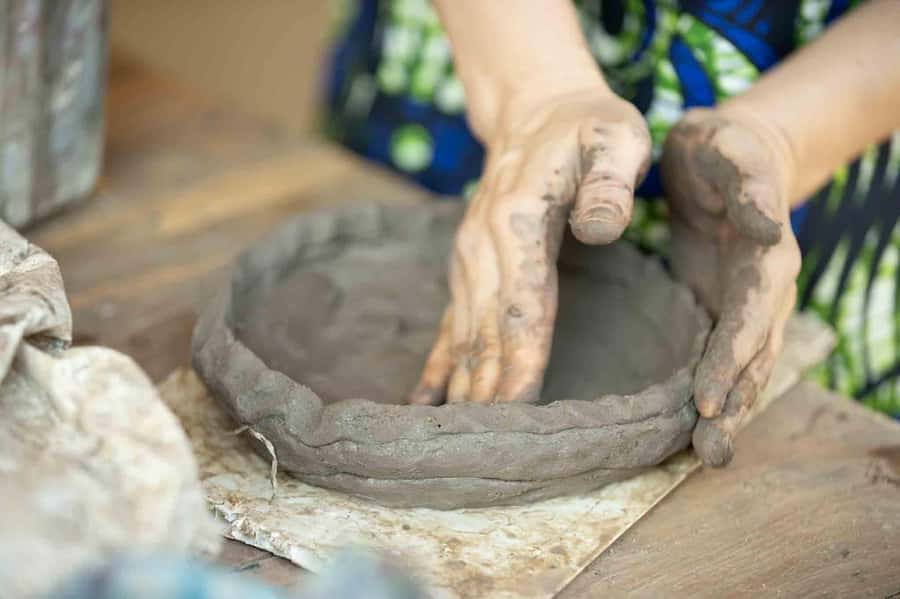
Clay tells Kigali stories by hand. This one-hour Kubumba pottery session gives you a rare chance to work directly with local women artisans linked to NuttinTODO, rather than simply admire finished crafts. I like the patient, personal teaching, especially from Mariam and Gloria, and I like that your handmade piece supports local community work.
The session also offers a useful cultural lesson, with an introduction to Kubumba before you shape and decorate the clay. The main catch is timing: your pottery may need about three days to harden, so you might have to leave Kigali before collecting it. Rainy weather can slow the drying, too.
In This Review
- Key things to know before shaping your clay
- Why this small Kigali activity is worth your time
- Beginning with Kubumba’s cultural meaning
- Getting your hands into the clay
- Learning with Mariam and Gloria
- The coffee shop and gallery setting
- The souvenir problem: drying takes time
- What $30 includes, and what it does not
- Who will enjoy this one-hour session most
- Booking details that affect your plans
- Should you book Kubumba Delight?
- FAQ
- How long does the Kubumba pottery activity last?
- How much does the activity cost?
- What languages are available for instruction?
- Are materials included?
- Do I receive a pottery piece?
- Is transportation included?
- Are food and drinks included?
- Can I cancel the booking?
Key things to know before shaping your clay
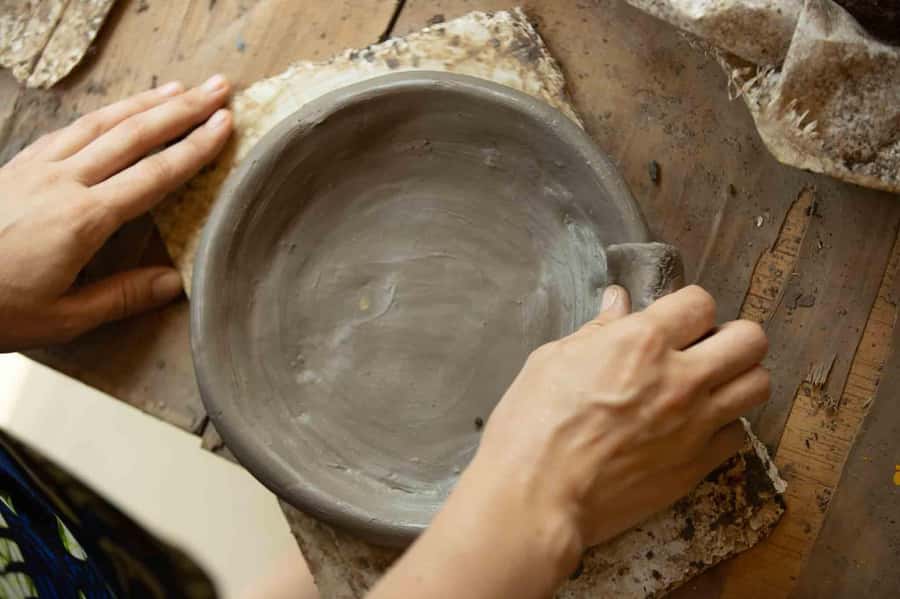
- Mariam and Gloria receive especially warm praise: Their kindness, patience, and care can make the activity comfortable for first-time potters and children.
- The session takes place in a coffee shop setting: One booking included a complimentary drink worth up to 3,500 Rwandan francs, with coffee, smoothies, and pastries available.
- You make your own souvenir: The pottery is personal and handmade, though it may not be ready to take away immediately.
- Kubumba comes with cultural context: You receive an introduction to the art form before learning how to shape, mold, and decorate clay.
- The price is $30 per person: Materials, instruction, cultural information, and a pottery piece are included.
- Plan your schedule around drying time: Allow roughly three days for the piece to harden, and ask about collection before booking if you are leaving Kigali soon.
Why this small Kigali activity is worth your time
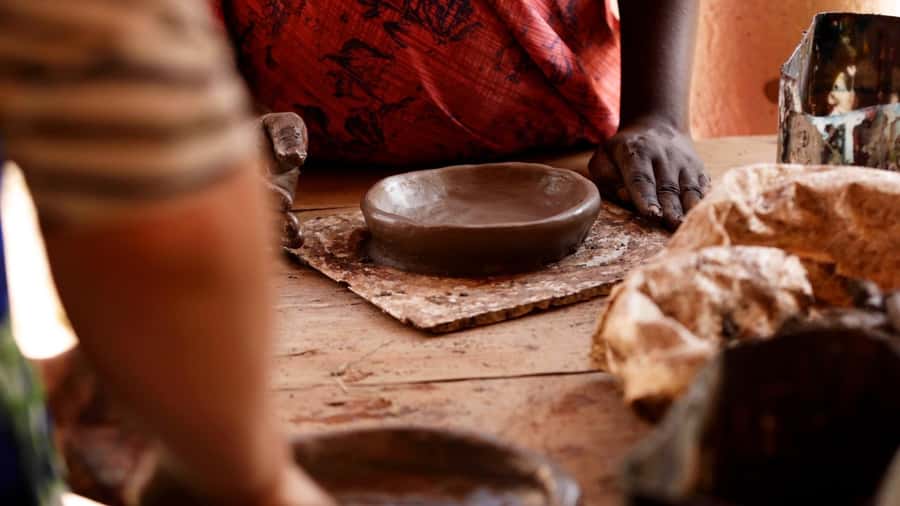
Kigali has plenty of ways to see Rwanda through food, museums, memorial sites, and city walks. Pottery offers something different. You slow down, use your hands, and spend time with local makers while learning a craft that carries cultural meaning.
I like the scale of this experience. One hour is long enough to make a real object without taking over your day. You can fit it between other Kigali plans, though the short duration also means you should keep your expectations sensible. This is an introduction to Kubumba, not a full pottery course.
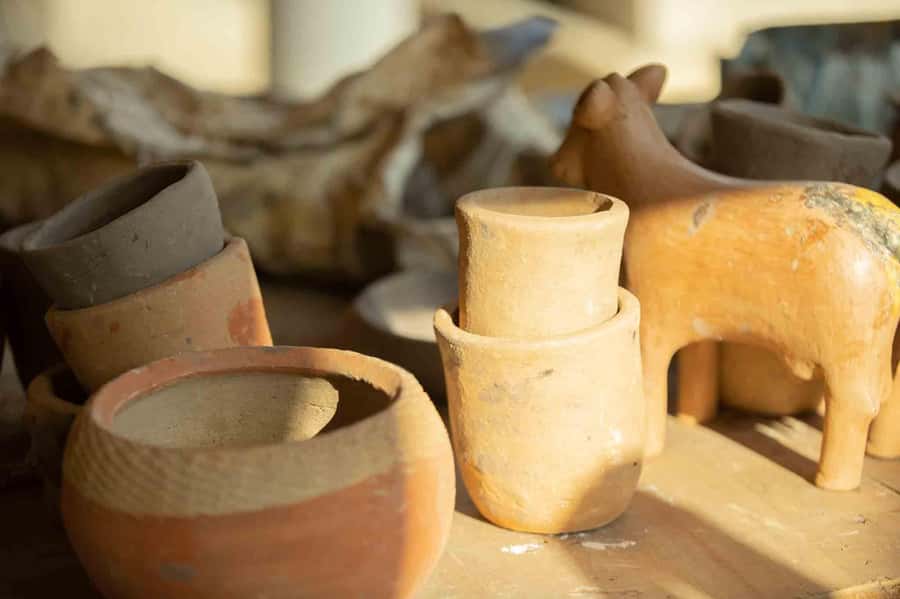
At the center of the session is a local artisan who guides you through the work. You are not simply handed a lump of clay and left alone. The teaching covers the basic methods of shaping, molding, and decorating, with room for you to make choices about your own piece.
That matters because handmade pottery has a different value from a shop-bought souvenir. Your finished object may have uneven edges or a slightly lopsided shape. That is part of the appeal. You can point to it later and remember the hour you spent making it in Kigali.
More cultural experiences in Kigali:
- Kigali: Mount Kigali and Cultural Village Tour with Snacks
★ 4.8 · 62 reviews - Kigali: Traditional Coffee Experience ( Bean to Brew)
★ 4.8 · 54 reviews - Kigali: Traditional Basket Weaving in a Garden
★ 4.8 · 41 reviews
Beginning with Kubumba’s cultural meaning
The activity starts with an introduction to Kubumba and its place in Rwandan craftsmanship. This opening gives the clay some context before you begin handling it.
The information provided does not promise a long formal talk, so I would expect a focused introduction rather than a lecture. That suits the one-hour format. You get enough background to understand why the technique matters, then move quickly to the practical work.
The cultural element is important. Without it, the activity would be a basic craft class that could happen almost anywhere. With it, you begin to connect the object in your hands with Rwandan artistic practice.
Ask questions as you go. The instructors speak English and Swahili, and the quality of communication can shape your experience. A positive session depends not only on the clay but also on how much explanation and conversation you receive.
One booking had a poor experience because the participant felt the translator gave little explanation and spent much of the hour watching videos on a phone. That appears to be an exception rather than the general pattern, but it is useful advice: if you want more cultural detail, speak up early and ask the instructor to explain the steps and their meaning.
Getting your hands into the clay
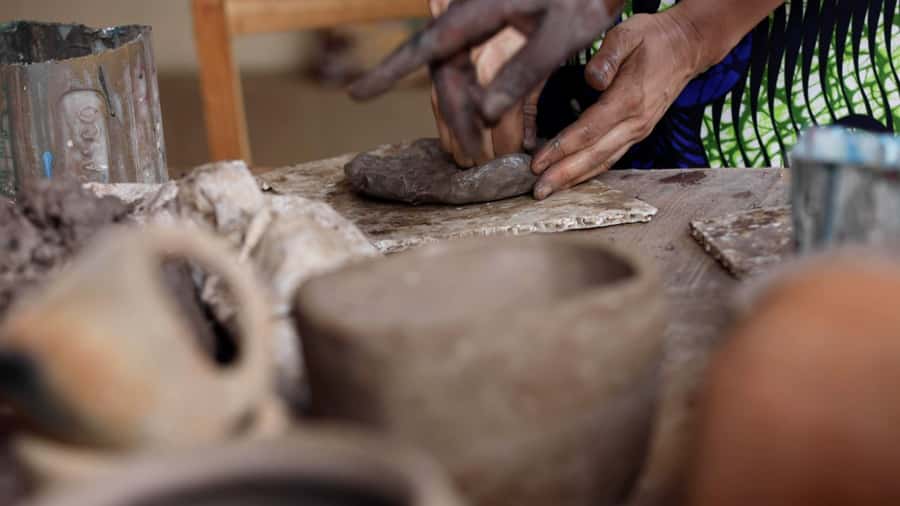
The practical part begins once you shape the material yourself. You learn how to handle the clay, form it into a basic piece, and work on its surface.
The supplied materials are included, so you do not need to bring pottery equipment. You also receive guidance from the local artisan throughout the process. For a first attempt, that support can make the difference between a frustrating lump and a recognizable keepsake.
I like activities where you make decisions instead of following a rigid demonstration. Here, your piece becomes personal because you create and decorate it yourself. The exact form depends on your ability, the guidance you receive, and the time available.
Do not expect a factory-perfect object. Your work may have fingerprints, uneven thickness, or a shape that changes as you handle it. The instructor can help you create something presentable while still allowing you to do much of the work yourself.
That balance worked particularly well for two eight-year-old girls. Their instructor gave them room to work independently while stepping in with help when needed. The session was described as joyful and well suited to them, making this a good option for families seeking a quiet, hands-on activity in Kigali.
Still, the activity is not only for children. Adults who enjoy making things, sketching, design, or local crafts should find plenty to like. You do not need previous pottery experience.
Learning with Mariam and Gloria
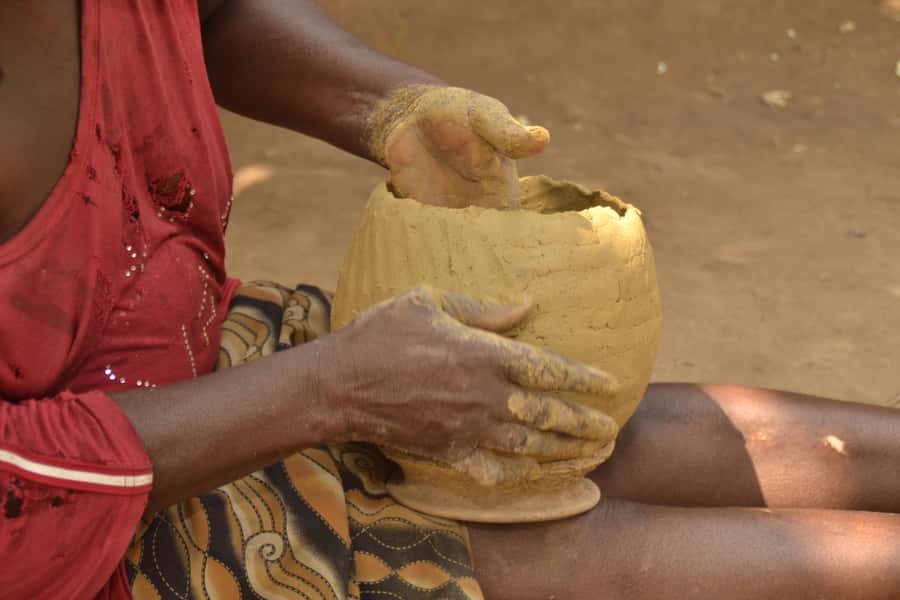
The people leading the session are a major part of its appeal. Mariam received strong praise for her teaching, patience, and kindness, while Gloria was remembered as warm and cheerful company.
Those details matter more than fancy equipment. A good craft instructor watches how you work, adjusts the help, and lets you make mistakes without taking over. That is exactly the kind of teaching you want in a short session.
The names also help set expectations. If Mariam and Gloria are leading your visit, you can expect a friendly, people-centered experience based on the most positive accounts. The provider is NuttinTODO, and the activity is connected with community-focused tourism work.
Language should be manageable for many international visitors because instruction is available in English and Swahili. The provided information does not state the group size, so I would not assume a private class. If personal instruction is important to you, ask when booking.
A different idea for another day in Rwanda:
- Kigali City Tour
★ 5.0 · 452 reviews - Kigali: Walking Tour with a Local Guide
★ 4.9 · 234 reviews - One-day Akagera National Park Game Drive with a Choice 4×4
★ 5.0 · 105 reviews - Private Full-day Kigali City Tour with Pickup and Lunch
★ 5.0 · 79 reviews
The coffee shop and gallery setting
The pottery activity takes place at a beautiful coffee shop, according to one detailed account. That gives the hour a pleasant setting and adds a simple refreshment option to the visit.
A complimentary drink was included with one pottery purchase, up to 3,500 Rwandan francs. Coffee, fresh smoothies, and pastries were available and received high praise. This does not mean a full meal is included, so plan to pay separately if you want food beyond the included drink arrangement.
The setting may also include a gallery with paintings by several artists. That gives you something else to look at while you wait or before you leave, though the pottery session itself remains the main reason to come.
I like this combination because it makes the outing feel less hurried. You can connect the pottery with a wider local art setting instead of treating it as a stand-alone commercial activity. At the same time, the activity information lists meals and refreshments as not included, so confirm exactly what your booking covers.
The souvenir problem: drying takes time
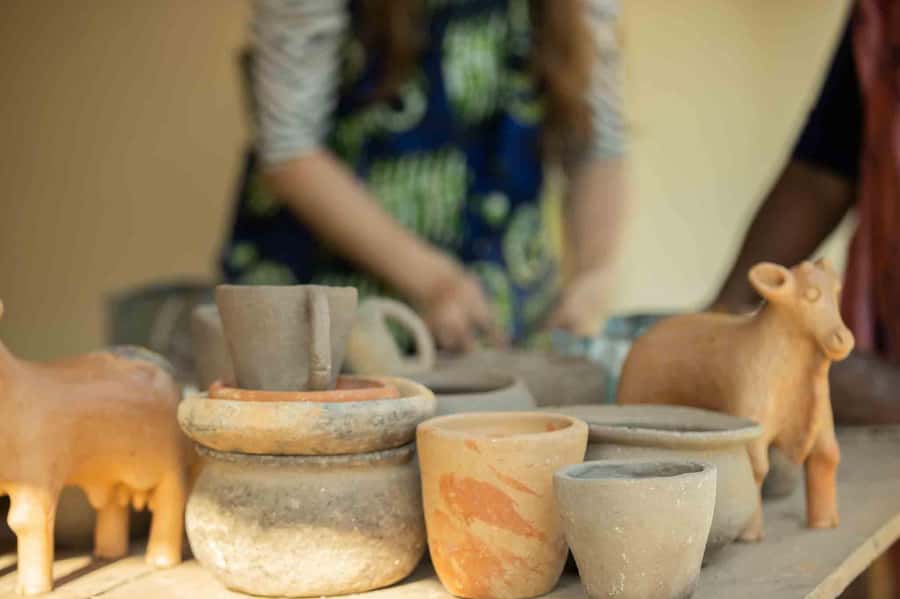
Here is the most important practical warning. Your pottery may not be ready to take home at the end of the one-hour session.
One participant had to leave Kigali after the activity and could not collect the piece because it needed about three days to harden. Another person had the same problem during rainy season, when the pot took longer to dry.
This is not a small detail if you are spending only a short time in Kigali. Before booking, ask how the finished item will be collected. The information provided confirms that you receive a personalized pottery piece, but it does not explain whether delivery or later collection is available.
If you have several days in Kigali, the drying period may be easy to manage. If you leave the city the next morning, the souvenir becomes less certain. You might still enjoy making it, but you should not book solely because you need an object in hand before your departure.
The drying issue also explains why the finished piece may vary with the season. Rainy conditions can extend the wait. Build this into your plans rather than treating it as an unexpected disappointment.
What $30 includes, and what it does not
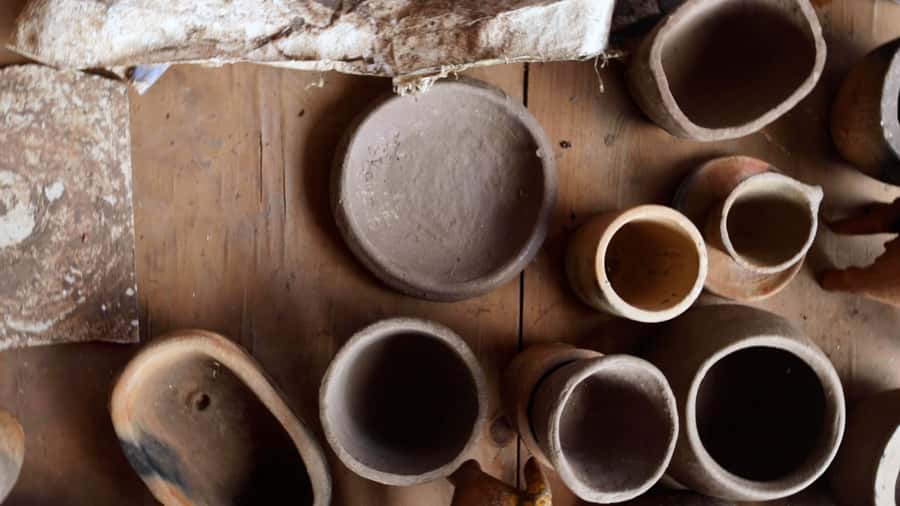
At $30 per person, this experience is not the cheapest way to fill an hour in Kigali. Its value comes from the combination of instruction, materials, cultural explanation, a handmade object, and direct support for local initiatives.
You are paying for time with local artisans, not just for raw clay. The teaching gives the activity meaning, while the finished pottery gives you something connected to the experience. For many people, that is a better souvenir than another mass-produced item.
The price includes:
- A guided Kubumba pottery session
- Local artisan instruction
- Clay and other necessary materials
- Cultural information about Kubumba
- A personalized pottery piece
- A contribution to community development through Go Rwanda Now
Transportation to and from the studio is not included. Meals and refreshments are also not generally included, although one detailed booking included a complimentary drink up to 3,500 Rwandan francs.
The community connection adds another layer of value. Your booking supports NuttinTODO and local initiatives linked with sustainable tourism in Kigali. You should not treat that as a reason to ignore the quality of the activity, but it does mean your money helps keep a local creative project operating.
Who will enjoy this one-hour session most
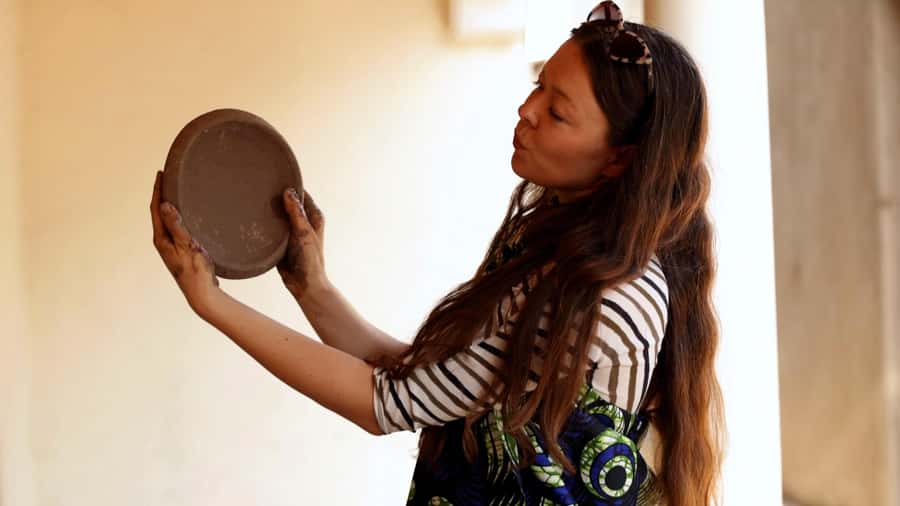
I would recommend Kubumba Delight to several types of visitors:
- Families with children who enjoy practical activities
- Couples looking for a shared souvenir-making experience
- Solo visitors who prefer meeting local makers to buying crafts in a shop
- Art lovers interested in Rwandan painting and pottery
- Visitors with a spare hour in Kigali
- Anyone who values community-based tourism
The session suits beginners. You do not need to know how to work with clay, and the instructors provide help as you go.
I would be more cautious if you have a tightly packed schedule or leave Kigali soon after the class. The pottery may not be dry, and the activity does not include transport, food, or a guaranteed same-day takeaway.
It also may not suit someone expecting a long lesson in Rwandan pottery traditions. The experience offers cultural information, but the format is short and practical. If you want a more detailed study of pottery history or production, you may need a longer workshop elsewhere.
Booking details that affect your plans
The activity lasts one hour, with starting times depending on availability. English and Swahili are the listed teaching languages.
You can cancel up to 24 hours in advance for a full refund. A reserve-now, pay-later option is also available, which helps if your Kigali schedule is still changing.
Because transportation is not included, you need to arrange your own way to and from the pottery studio. The exact studio address and pickup details are not provided here, so check those details before confirming your plans.
The average rating is 4.6 from 12 ratings, but the individual experiences show why expectations matter. Most praise focuses on kind instruction, hands-on work, the pleasant setting, and the quality of the personal interaction. The weaker experiences focus on limited explanation and pottery that was not dry in time.
That makes this a good activity to book with a little breathing room. Give yourself enough time to ask questions, enjoy the setting, and deal with the finished piece later if needed.
Should you book Kubumba Delight?
I would book this experience if you want a friendly, creative hour with local artisans and you like the idea of making a souvenir rather than buying one. The strongest part is the human contact, especially when Mariam, Gloria, or another patient instructor gives you room to work while offering careful help.
I would not book it as a rushed airport-day activity or if you must leave Kigali immediately afterward with the pottery in your luggage. Ask about drying and collection before paying, particularly during rainy season.
For families, couples, and curious solo visitors, $30 is a fair price for an artisan-led activity that also supports local community work. Come ready to make an imperfect but meaningful object, and you are likely to enjoy the hour far more than someone expecting a polished ceramic souvenir on the spot.
FAQ
How long does the Kubumba pottery activity last?
The pottery session lasts one hour.
How much does the activity cost?
The price is $30 per person.
What languages are available for instruction?
The instructors speak English and Swahili.
Are materials included?
Yes. The necessary materials for the pottery activity are included.
Do I receive a pottery piece?
Yes. A personalized pottery piece is included, although it may need about three days to harden before you can take it away.
Is transportation included?
No. You need to arrange your own transportation to and from the pottery studio.
Are food and drinks included?
Meals and refreshments are not generally included. One booking included a complimentary drink worth up to 3,500 Rwandan francs, with coffee, smoothies, and pastries available at the coffee shop.
Can I cancel the booking?
Yes. You can cancel up to 24 hours in advance for a full refund. A reserve-now, pay-later option is also available.
Just added around Kigali
- Kigali City Tour and Sightseeing★ 5.0 · 3 reviews
- Home staying experience★ 5.0 · 3 reviews
- 3-Day Rwanda Gorilla Safari★ 4.5 · 3 reviews
- 2 Days Gorilla Trekking Rwanda★ 5.0 · 3 reviews
- 1 Day Rwanda Gorilla Trekking★ 5.0 · 3 reviews
- Kigali: Traditional Carpet Weaving (Ikirago) + amazing views★ 5.0 · 3 reviews
- Kigali: Guided City Tour let us learn, enjoy together ❤️★ 3.6 · 3 reviews
- 1 Day Gorilla Trekking Safari in Rwanda Volcanoes National Park★ 5.0 · 3 reviews
Cultural & Traditional Village Experiences, compared.

Mount Kigali and Cultural Village Tour with Snacks
Read our review →

One Day Gorilla Trekking Rwanda & Iby’iwacu Cultural Village
Read our review →
Browse the lists this tour appears in