
Review · COFFEE EXPERIENCES
Specialty Coffee Masterclass
Coffee tells Rwanda’s story one cup at a time. The Specialty Coffee Masterclass in Kigali gives you a close look at that story, from coffee cherries on the tree to roasted beans in your cup. I like the hands-on harvest and the chance to taste five Rwandan coffees side by side. I also like that you leave with a custom blend based on your own preferences.
The main drawback is simple: two hours goes quickly. You get a useful introduction rather than a full farm visit or a long lesson in roasting. The class also requires a negative COVID-19 test and a mask, according to the current information provided.
In This Review
- Key points about the Kigali coffee class
- Starting at Question Coffee Gishushu
- A short history of coffee before the tasting
- Picking coffee cherries in the garden
- Tasting five Rwandan coffees side by side
- Creating a blend that fits your palate
- What the $50 price gets you
- The guides make the difference
- Timing, health rules, and booking details
- Who should book this coffee masterclass?
- Should you book the Specialty Coffee Masterclass?
- FAQ
- Where does the Specialty Coffee Masterclass begin?
- Where does the activity finish?
- How long does the class last?
- How many people can join the class?
- What will I do during the masterclass?
- Is a mobile ticket available?
- Can I cancel for a full refund?
Key points about the Kigali coffee class
- You pick coffee cherries in the garden, giving the lesson a physical link to the finished drink.
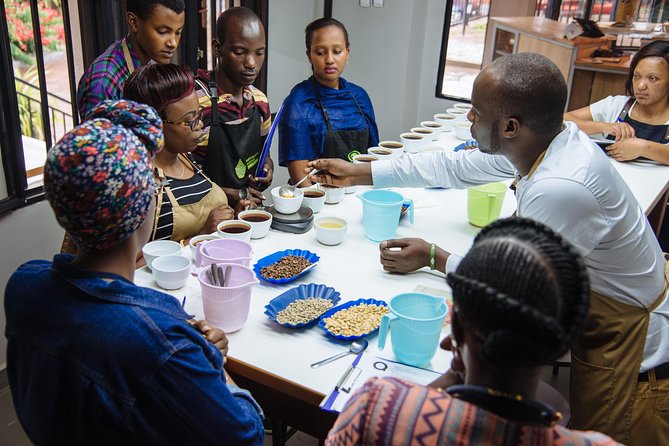
- Five Rwandan coffees may be tasted, with attention to aroma, flavor, aftertaste, acidity, and mouthfeel.
- You make a personal blend and receive a bag of coffee based on the beans you liked most.
- The class has a maximum of 12 people, so the session should feel more personal than a large demonstration.
- Local coffee staff lead the lesson, with guides named Patty, Patrice, and Keziah appearing in class feedback.
- The $50 price includes a two-hour experience, tastings, instruction, and take-home coffee, making it most useful for coffee fans rather than casual cafe visitors.
Starting at Question Coffee Gishushu
The class begins at Question Coffee Gishushu, at 8 KG 8 Avenue in Kigali. It ends at the same place, which keeps the day easy to plan. The meeting point is near public transportation, so you do not need to arrange a complicated transfer just to reach the cafe.
This location matters because the class does not ask you to spend half a day reaching a distant plantation. You can fit it into a Kigali sightseeing schedule, perhaps before or after other city plans. The trade-off is that this is not a full rural coffee-farm excursion. You get a compact coffee lesson in an urban setting, with coffee trees on the grounds for the picking portion.
Plan to arrive ready to participate. This is not simply a seat, a cup, and a lecture. You will move between short explanations, the garden, tasting activities, and blending work. Comfortable clothing makes sense, though no special equipment is listed.
The class is limited to 12 people. That number is small enough for questions and personal guidance, but the exact feel can still depend on how many people book your time slot. A full group will be livelier. A smaller group may allow more direct attention during tasting and blending.
More coffee experiences in Kigali:
- Kigali: Traditional Coffee Experience ( Bean to Brew)
★ 4.8 · 54 reviews - Women-led Coffee Farm Trek
★ 5.0 · 19 reviews - Full Day Shared Akagera Safari Tour with Lunch and Coffee
★ 5.0 · 15 reviews
A short history of coffee before the tasting
The session opens with a background lesson on coffee. You learn about the history of coffee and how it is grown before the practical work begins. That opening gives the tasting some purpose, since you are not merely comparing cups without knowing what connects them to Rwanda.
The class also covers the coffee supply chain. This is one of its most useful features. Your morning cup normally hides a long chain of work, including growing, harvesting, processing, blending, and preparation. Here, the lesson connects those steps in a clear order.
You should expect an introduction rather than an academic course. The information provided describes a short history lesson and background session, so people already familiar with coffee may find this part basic. For someone new to specialty coffee, it should provide a helpful frame for the activities that follow.
The best guides appear to make the subject approachable. Patty is described as engaging and clear, Patrice as easygoing with good English, and Keziah as fun and well informed about Rwandan coffee. The names suggest that the class is not delivered by a faceless script, although your guide can vary by date.
Picking coffee cherries in the garden
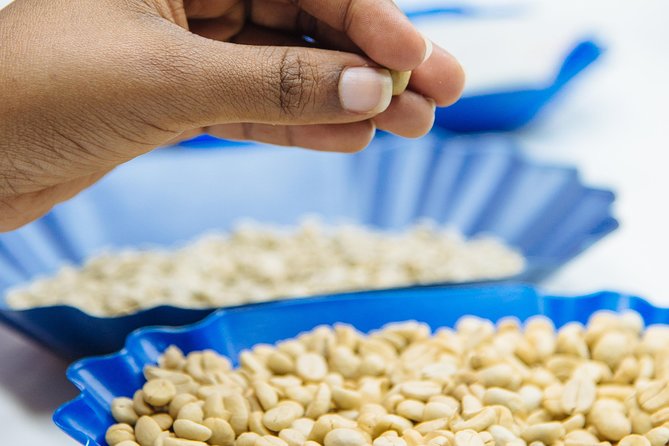
Next comes the part many coffee drinkers never get to see: coffee cherries growing on a plant. You pick your own cherries from the trees in the garden at the site. It is a small harvest, not farm labor, but it gives you a direct connection to the raw fruit behind the roasted bean.
This step is valuable because coffee beans begin as seeds inside cherries. Seeing and handling the fruit helps explain why the final drink can have such different flavors. It also breaks up the seated instruction and gives the class a more practical rhythm.
Keep your expectations in check. The grounds are described as an onsite garden, not a large working plantation. You will not spend hours walking through broad growing areas or taking part in every stage of commercial processing. Still, for a two-hour city class, picking cherries is a memorable way to make the supply chain feel real.
The activity should suit families, couples, and anyone who likes learning by doing. It also gives non-coffee experts an easy entry point. You do not need to know terms such as acidity or mouthfeel before arriving. The class introduces those ideas as part of the tasting.
Tasting five Rwandan coffees side by side
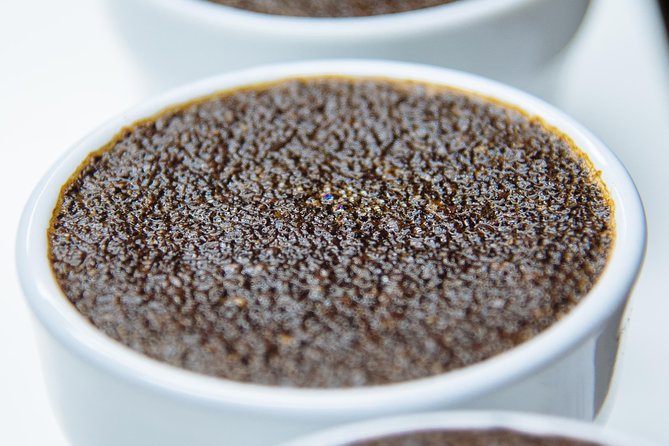
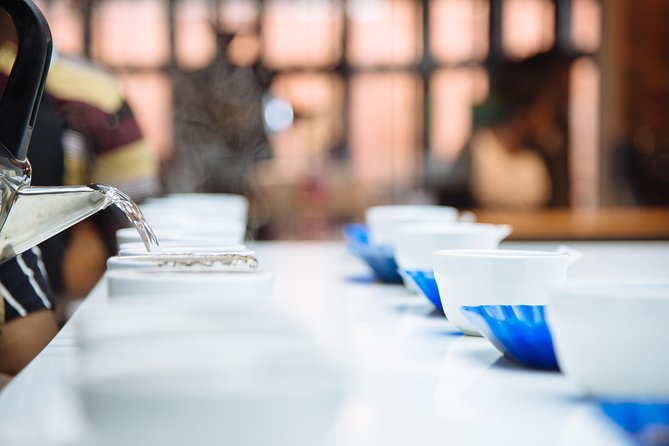
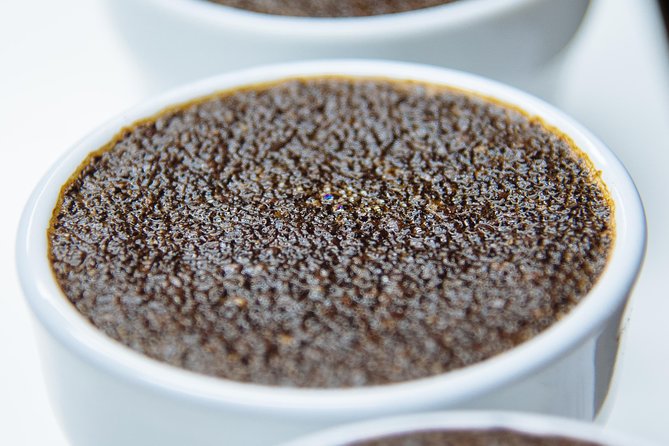
The tasting is the heart of the experience. You sample four or five coffees from different parts of Rwanda, with several descriptions specifically noting five coffees. This comparison lets you notice how coffee can vary within one country.
Rather than asking you to name a favorite by instinct alone, the class uses a set of tasting points:
- Aroma
- Flavor
- Aftertaste
- Acidity
- Mouthfeel
That list gives you a useful method. Aroma covers what you notice before and during the sip. Flavor is the main taste, while aftertaste asks how long the character remains. Acidity describes brightness or liveliness, not sourness alone. Mouthfeel covers the weight and texture of the drink.
You do not need a trained palate to take part. The point is to compare, notice, and explain what you prefer. A coffee may appeal to you for its aroma but not its aftertaste. Another may feel smoother or brighter. This method helps you see why two good coffees can suit different people.
The chance to taste several Rwandan blends is a strong reason to book. A cafe menu may let you order one cup, but a guided comparison teaches you more from each sip. You can also take those preferences into future coffee purchases.
The tasting may be less appealing if you dislike black coffee or want a full meal with your activity. The supplied details focus on coffee tasting and instruction, not food. If caffeine affects you, keep the number of samples in mind, even though the exact serving sizes are not provided.
A different idea for another day in Rwanda:
- Kigali City Tour
★ 5.0 · 452 reviews - Kigali: Walking Tour with a Local Guide
★ 4.9 · 234 reviews - One-day Akagera National Park Game Drive with a Choice 4×4
★ 5.0 · 105 reviews - Private Full-day Kigali City Tour with Pickup and Lunch
★ 5.0 · 79 reviews
Creating a blend that fits your palate

After tasting, you create a custom blend. This is more useful than a simple souvenir because it turns your preferences into a take-home product. If you favor a certain aroma, flavor, acidity, or mouthfeel, the blending step lets you use what you just learned.
You also receive a bag of coffee based on the blend you liked most. The exact size is not specified, so do not book expecting a particular quantity. Still, the take-home coffee adds real value to the $50 price. You are not paying only for two hours of instruction and a few samples.
This final step also gives the class a satisfying finish. You begin with coffee cherries, taste prepared coffees, and end with a personal choice. The process makes your souvenir part of the lesson rather than a separate gift-shop purchase.
The blend may not be perfectly repeatable at home, since the exact method and proportions are not stated. Think of it as a personal coffee keepsake and a chance to identify your favorite style, not a professional blending certificate.
What the $50 price gets you
At $50 per person, this is not Kigali’s cheapest coffee stop. You could spend far less on a regular cup. The value comes from the combination of instruction, guided tasting, cherry picking, blending, and coffee to take home.
I think the price is easiest to justify if you care about coffee, enjoy guided food and drink experiences, or want a Rwanda-specific activity. The class gives you more context than a standard cafe visit and more structure than buying a bag of beans on your own.
It is less compelling for someone who only wants a quick caffeine break. The class lasts about two hours, and the benefit depends on your willingness to taste carefully and ask questions. If you would rather spend that time visiting markets, museums, or nearby sights, the cost may feel high.
The small group helps protect the value. With no more than 12 people, the teacher has a better chance to explain tasting terms and help with the custom blend. It is not a private lesson, but it should be more personal than a large tour.
The take-home bag also matters. Several class descriptions praise receiving coffee made from the beans participants preferred. That gives you something tangible to enjoy after leaving Kigali and helps preserve the memory of the experience.
The guides make the difference
A coffee class can easily become dry if the teacher reads through technical facts. The strongest part of this experience appears to be the human side of the lesson. Patty, Patrice, and Keziah are names associated with different sessions, and each is described in warm, practical terms.
Patrice is noted for being easygoing and speaking good English. That is useful when you are learning unfamiliar ideas and want to ask basic questions without feeling out of place. Keziah is described as fun and well informed, while Patty is praised for making sure the material was understood.
Guide assignments can change, so you should not assume a particular person will teach your class unless the provider confirms it. Still, the repeated praise for the teaching style points to an important strength: the class is designed to explain coffee clearly, not show off technical vocabulary.
You will get more from the session if you take part openly. Smell each sample. Write down or remember what you like. Ask why one coffee feels brighter or heavier than another. The more you compare your reactions, the more useful the final blend becomes.
Timing, health rules, and booking details
The experience lasts about two hours. That makes it a manageable addition to a day in Kigali, but you should avoid scheduling another important activity too tightly afterward. The tasting, garden visit, and custom blend all need their share of time.
Confirmation is sent within 48 hours of booking, subject to availability. The experience is often booked about 14 days ahead, so reserving early is sensible if your Kigali dates are fixed. The mobile ticket makes arrival straightforward once your booking is confirmed.
The current rules state that you need negative COVID-19 test results and a mask. Check the requirements close to your visit, since health rules can change. The activity is near public transportation, and both the start and finish are at Question Coffee Gishushu.
Free cancellation is available if you cancel at least 24 hours before the local start time. If you cancel later, you will not receive a refund, and changes made within that 24-hour window are not accepted. This policy gives you flexibility, but only if you make changes early.
Who should book this coffee masterclass?
I would choose this class for:
- Coffee drinkers who want to understand what they taste
- People looking for a Rwanda-focused activity in Kigali
- Couples or friends who enjoy small-group food experiences
- Visitors who want a useful take-home souvenir
- Beginners who prefer a friendly explanation over a technical lecture
- Anyone curious about the route from coffee cherry to finished cup
I would think twice if you dislike coffee, avoid caffeine, or want a full-day visit to a working farm. The class offers a garden harvest and a supply-chain lesson, but it is not advertised as a plantation tour. It also may feel too introductory for a professional barista seeking advanced roasting or brewing training.
The activity works especially well near the beginning of your Rwanda trip. You can learn which kinds of coffee you prefer, then use that knowledge when buying beans elsewhere. It also works near the end, when the custom blend gives you a clear souvenir tied to Kigali.
Should you book the Specialty Coffee Masterclass?
Book it if you want more than a good cup. For $50, you get a focused two-hour lesson, access to coffee trees, several Rwandan tastings, help from a local coffee guide, and a custom bag to take home. The five-part tasting method is particularly useful for anyone who wants to understand why one coffee suits their palate better than another.
Skip it if you are looking for a large plantation, a full roasting course, or a bargain cafe outing. This is a compact city experience, and its success depends on your interest in tasting and learning.
For coffee lovers visiting Kigali, I think it is a sound choice. The class turns an everyday drink into a practical lesson in place, farming, flavor, and personal preference, without taking an entire day from your itinerary.
FAQ
Where does the Specialty Coffee Masterclass begin?
It begins at Question Coffee Gishushu, 8 KG 8 Avenue, Kigali, Rwanda.
Where does the activity finish?
The class ends back at the Question Coffee Gishushu meeting point.
How long does the class last?
The experience lasts approximately two hours.
How many people can join the class?
The activity has a maximum of 12 participants.
What will I do during the masterclass?
You will learn about coffee history and production, pick coffee cherries in the garden, taste coffees from different parts of Rwanda, and create a custom blend.
Is a mobile ticket available?
Yes. The experience includes a mobile ticket.
Can I cancel for a full refund?
Yes, if you cancel at least 24 hours before the experience start time. Cancellations made less than 24 hours ahead are not refunded, and changes within that period are not accepted.
Just added around Kigali
- Kigali City Tour and Sightseeing★ 5.0 · 3 reviews
- Home staying experience★ 5.0 · 3 reviews
- 3-Day Rwanda Gorilla Safari★ 4.5 · 3 reviews
- 2 Days Gorilla Trekking Rwanda★ 5.0 · 3 reviews
- 1 Day Rwanda Gorilla Trekking★ 5.0 · 3 reviews
- Kigali: Traditional Carpet Weaving (Ikirago) + amazing views★ 5.0 · 3 reviews
- Kigali: Guided City Tour let us learn, enjoy together ❤️★ 3.6 · 3 reviews
- 1 Day Gorilla Trekking Safari in Rwanda Volcanoes National Park★ 5.0 · 3 reviews
Coffee Experiences, compared.


Full Day Shared Akagera Safari Tour with Lunch and Coffee
Read our review →Lake Kivu Trip with a Hike and Coffee plantation experience
Read our review →

Local Community Tour(Cultural, Coffee,Village walk,Local food)
Read our review →Browse the lists this tour appears in