

Review · CULTURAL & TRADITIONAL VILLAGE EXPERIENCES
Kigali: Traditional Coffee Experience ( Bean to Brew)
Coffee tells Rwanda’s story one cup at a time. This two-hour Kigali experience links coffee farming, roasting, and tasting in a compact outing that gives you more than a café stop. You begin at Umurishyo Arts Gallery, then learn how coffee is grown, take part in traditional and modern roasting, and finish with a tasting led by local coffee experts.
I like the hands-on format, especially the chance to roast your own beans rather than simply watch a demonstration. I also like the cultural side: you get a closer look at how coffee is produced, how local communities use sustainable practices, and why Rwandan coffee matters. The main consideration is transport. Private transportation is not included, and the exact arrangements between the meeting point, coffee fields, roastery, and café are not specified.
The $50 price is fair if you want a focused introduction to Rwandan coffee and enjoy taking part in the process. It may feel less attractive if you only want a quick tasting, since the real value comes from the explanations and practical work along the way.
In This Review
- Key Points
- Why This Kigali Coffee Experience Is Worth Your Time
- Meeting the Coffee Story at Umurishyo Arts Gallery
- Seeing How Rwandan Coffee Is Grown
- Roasting Beans by Traditional and Modern Methods
- Tasting Local Blends in Kigali
- What $50 Gets You in Kigali
- Who Will Enjoy This Experience Most
- Practical Details Before You Go
- Should You Book the Bean-to-Brew Experience?
- FAQ
- How long does the Kigali coffee experience last?
- Where does the experience begin?
- Where does the experience end?
- Is private transportation included?
- What is included in the $50 price?
- How many people can join the experience?
- Can I cancel for a full refund?
Key Points
- Roast your own Rwandan beans: The experience includes direct participation in roasting, not just a demonstration.
- Follow coffee from farm to cup: You learn about cultivation, processing, roasting, and tasting in one short program.
- Start at Umurishyo Arts Gallery: The meeting point is KG 206 St in Kigali, with the activity ending back there.
- Taste several local blends: The final session takes place in a Kigali coffee shop with local specialists.
- Small enough for conversation: The group limit is 20 people, which should leave room for questions.
- Flexible cancellation: You can receive a full refund if you cancel at least 24 hours before the start time.
Why This Kigali Coffee Experience Is Worth Your Time

Rwanda is well known for high-quality Arabica coffee, but a café menu rarely explains how much work happens before the first sip. This experience fills in that gap. You see coffee as a crop, a business, a craft, and a social product.
The program lasts about two hours, so it does not take over your day in Kigali. That makes it easy to pair with an afternoon in the city, a museum visit, or another short activity. At the same time, the schedule is long enough to move through several stages instead of stopping at a single tasting table.
I especially like the way the experience joins practical work with conversation. You are not only told how coffee is roasted. You get the chance to handle the process and notice how different roasting methods affect the beans. That makes the lesson easier to remember once you return home and brew your own coffee.
The program has earned a five-star rating from six published ratings, with particular praise for the roasting activity and the quality of the guide. One coffee enthusiast who already grinds beans and creates blends at home found that the experience brought a clearer understanding of coffee production and the business behind it. That detail matters: this is not limited to casual coffee drinkers.
More cultural experiences in Kigali:
- Kigali: Mount Kigali and Cultural Village Tour with Snacks
★ 4.8 · 62 reviews - Kigali: Traditional Coffee Experience ( Bean to Brew)
★ 4.8 · 54 reviews - Kigali: Traditional Basket Weaving in a Garden
★ 4.8 · 41 reviews
Meeting the Coffee Story at Umurishyo Arts Gallery

Your stated meeting point is Umurishyo Arts Gallery on KG 206 St in Kigali. The activity also ends back at this location, which gives you a clear starting and finishing point in the city.
The gallery setting adds a useful cultural note before the coffee work begins. Still, the supplied details do not explain how the group moves from the gallery to the coffee fields or roastery. Private transportation is specifically excluded, so you should confirm the transport plan before the day of the experience.
Do not assume that the $50 price includes a private car. It covers all fees and taxes, but not private transportation. If you need door-to-door service from your hotel, ask the operator, NuttinTODO, what options are available and what extra cost may apply.
The meeting point is near public transportation, which helps if you are making your own way there. Service animals are allowed. Confirmation is sent when you book, so check that message carefully for any final meeting instructions.
Seeing How Rwandan Coffee Is Grown
The first major part of the experience takes you into Rwanda’s coffee-growing areas. Local farmers explain how the crop is cultivated and describe the care required before beans ever reach a roastery.
This is an important part of the program because it gives context to the cup you taste later. You learn about farming methods, the country’s coffee story, and sustainable practices used by the community. The focus is not just on flavor. It also includes the labor and local knowledge behind production.
The information provided does not give a named farm, the exact field location, or details about the growing season. You should therefore expect a general introduction to coffee cultivation rather than a guaranteed full farm tour with a detailed map of every stage.
Even so, the field portion gives the experience a stronger sense of place than a city tasting alone. You begin with the source of the product, then follow it forward. That order helps you understand why coffee can taste different depending on how it is grown, processed, and roasted.
If you are especially interested in farming or sustainability, pay attention to the community practices discussed by the local guide. The experience promises insight into how sustainable methods are used, but it does not list particular certifications or farming techniques. Ask questions rather than expecting a formal lecture.
Roasting Beans by Traditional and Modern Methods
The roasting session is the most practical part of the program. You take part in both traditional and modern techniques, with local specialists explaining the differences.
The chance to roast your own beans is a real strength. You can connect the smell, color, heat, and timing of the beans with the finished drink. Even a home coffee maker who already grinds beans may find useful ideas here, especially when experimenting with blends.
The program description does not specify the exact equipment used or how much coffee each person roasts. It also does not promise that you take a finished bag home. Think of this as a guided workshop rather than a commercial roasting class.
A good guide can make or break a hands-on activity. One published account gives strong praise to the guide, describing her as excellent, smart, and well informed. The guide’s role seems to be central, since she explains the process while helping you take part.
You should expect to learn why roasting methods matter, but the exact lesson will depend on the group’s questions and the time available. With a maximum of 20 people, the group is not private, yet it is small enough for an interactive session in normal conditions.
More coffee experiences in Kigali:
- Specialty Coffee Masterclass
★ 5.0 · 33 reviews - Women-led Coffee Farm Trek
★ 5.0 · 19 reviews - Full Day Shared Akagera Safari Tour with Lunch and Coffee
★ 5.0 · 15 reviews - Rwandan Coffee Experience
★ 5.0 · 10 reviews
Tasting Local Blends in Kigali
The final stop is a Kigali coffee shop, where you taste several blends made with care. This is where the earlier stages come together. You have learned about cultivation and roasting, then you can compare the results in the cup.
The tasting is described as exclusive and guided by local experts. You can ask about the blends, discuss flavor, and talk with other coffee enthusiasts. The emphasis is on conversation, not simply receiving a drink and leaving.
The exact number of samples and the brewing methods are not listed. You should not assume that every possible preparation method will be included. The useful part is the chance to taste more than one blend and connect each cup with the production choices explained earlier.
This closing session also gives the activity its cultural exchange element. Coffee becomes a way to talk with local specialists and learn how the product fits into Rwanda’s economy and daily life. That is more meaningful than buying a packaged souvenir without understanding where it came from.
If you drink coffee black, you may notice differences between the blends more easily. If you normally add milk or sugar, you can still enjoy the tasting, but you may want to ask how the experts recommend trying each sample first.
What $50 Gets You in Kigali
At $50 per person, this is not the cheapest way to drink coffee in Kigali. You are paying for guided instruction, access to several stages of production, hands-on roasting, a tasting, and all fees and taxes.
The value is strongest for people who want an activity rather than a simple café visit. You get a clear story from farm to cup, plus the practical memory of roasting beans yourself. The price is harder to justify if your main goal is only to sample a few drinks.
Private transportation is not included, which can affect the final cost. Since the meeting and ending point are both at Umurishyo Arts Gallery, you may need to arrange your own transport depending on where the field and roastery portions take place.
The two-hour length helps keep the price manageable. You are not committing to a full-day excursion, and you still get several distinct parts. I would consider it good value for serious coffee drinkers, curious food lovers, and people who want a locally led activity in Kigali.
The experience is booked an average of 16 days in advance. That does not guarantee that every date sells out, but it is a useful sign that you should not leave it until the last minute if your Kigali schedule is fixed.
Who Will Enjoy This Experience Most
This program suits you if coffee is part of your travel planning, not just a morning habit. It is particularly useful for people who grind beans at home, make their own blends, or want to understand why coffee tastes different from one source to another.
It also suits curious visitors who prefer meeting local specialists and learning through direct conversation. The farming and sustainability discussion gives the activity more substance than a standard tasting.
Families or mixed-interest groups may find it appealing because the activity includes several kinds of learning. One person can focus on farming, another on roasting, and another on tasting. The maximum group size is 20, so the atmosphere may be social rather than private.
This is less suitable if you want a quiet, highly customized outing. It is also not ideal if you need all transportation included or if you expect a long visit at one named farm. The details supplied do not promise a private format, hotel pickup, or an extended field stay.
Practical Details Before You Go
Allow about two hours for the scheduled activity, then add time for getting to and from the meeting point. Since the tour begins and ends at Umurishyo Arts Gallery, plan your Kigali day around that location.
Private transport is not included. Public transportation is available nearby, but the precise route between each part of the experience is not stated. Confirm this before booking, especially if you are traveling with mobility needs, children, or a tight schedule.
A mobile ticket is provided, and confirmation arrives at booking. Keep the ticket easy to access on your phone.
The activity requires good weather. If poor weather forces a cancellation, you are offered another date or a full refund. The same applies if the minimum number of people is not reached.
You can cancel for a full refund up to 24 hours before the start time. Changes or cancellations made within 24 hours are not accepted for a refund. Cutoff times use Kigali local time, so check the clock carefully if you are booking from another country.
Should You Book the Bean-to-Brew Experience?
I would book this if you want a short, hands-on Kigali activity with a clear connection to local agriculture and coffee production. The strongest reasons are the chance to roast your own beans, the farm-to-cup structure, and the opportunity to speak with local coffee specialists.
The $50 price makes sense when you value learning and participation. It is less compelling as a simple tasting, and the missing private transportation means you should confirm the route before committing.
Coffee lovers should give this serious consideration, especially anyone who already grinds beans or experiments with blends at home. If you are only mildly interested in coffee, book it for the cultural exchange and practical workshop, not just for the final cup.
FAQ
How long does the Kigali coffee experience last?
The activity lasts approximately two hours.
Where does the experience begin?
It begins at Umurishyo Arts Gallery, KG 206 St, Kigali, Rwanda.
Where does the experience end?
The activity ends back at the meeting point at Umurishyo Arts Gallery.
Is private transportation included?
No. Private transportation is not included in the price.
What is included in the $50 price?
All fees and taxes are included.
How many people can join the experience?
The activity has a maximum capacity of 20 people.
Can I cancel for a full refund?
Yes. You can cancel at least 24 hours before the start time for a full refund. Cancellations within 24 hours are not refundable.
Just added around Kigali
- Kigali City Tour and Sightseeing★ 5.0 · 3 reviews
- Home staying experience★ 5.0 · 3 reviews
- 3-Day Rwanda Gorilla Safari★ 4.5 · 3 reviews
- 2 Days Gorilla Trekking Rwanda★ 5.0 · 3 reviews
- 1 Day Rwanda Gorilla Trekking★ 5.0 · 3 reviews
- Kigali: Traditional Carpet Weaving (Ikirago) + amazing views★ 5.0 · 3 reviews
- Kigali: Guided City Tour let us learn, enjoy together ❤️★ 3.6 · 3 reviews
- 1 Day Gorilla Trekking Safari in Rwanda Volcanoes National Park★ 5.0 · 3 reviews
Cultural & Traditional Village Experiences, compared.
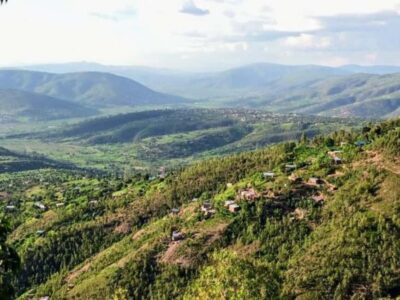
Mount Kigali and Cultural Village Tour with Snacks
Read our review →
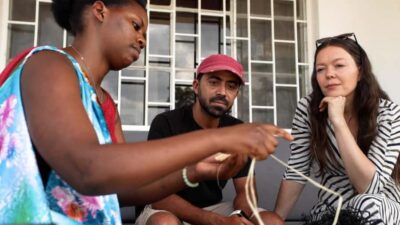
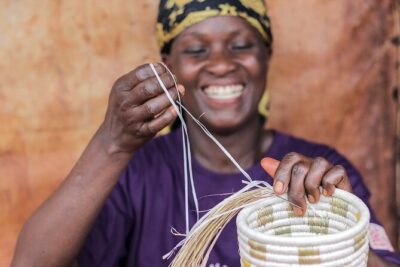
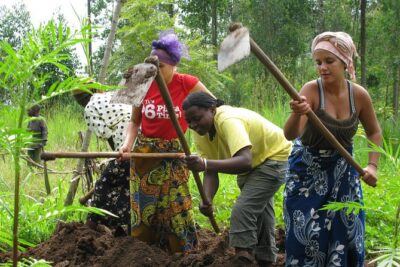

One Day Gorilla Trekking Rwanda & Iby’iwacu Cultural Village
Read our review →
Browse the lists this tour appears in