
Review · COFFEE EXPERIENCES
Tea and coffee tours
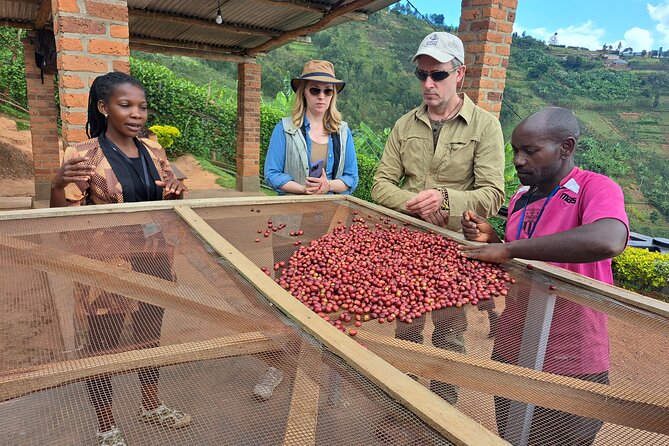
Coffee begins long before the cup. This roughly three-hour outing near Gisenyi shows you how Rwandan farms and coffee stations work, with Lake Kivu adding a memorable setting. I like the chance to see the process from harvesting through packaging, and I like the small group limit of eight. The $80.70 price includes bottled water and lunch, though private transportation is not included.
The main point to check before booking is transport. Pickup is offered, yet private transportation is listed separately as not included. That means you should confirm exactly how you will reach the farm or washing station, especially if you are staying outside Rubavu. The tour begins at 8:00 a.m., returns to the meeting point, and needs good weather.
In This Review
- Key Points Before You Book
- Why This Farm Visit Adds More Than a Coffee Stop
- Starting at 8:00 a.m. in Rubavu
- Lake Kivu Gives the Morning a Wider View
- What You Can Learn at a Rwandan Coffee Farm
- Kinunu Coffee Washing Station
- The Tea Option, From Harvest to Packaging
- Guides Make the Difference
- Lunch, Water, and the $80.70 Price
- How the Three-Hour Schedule May Feel
- Who Will Enjoy This Most
- Booking, Weather, and Cancellation Advice
- Is This Tea and Coffee Tour Worth Booking?
- FAQ
- How much does the tea and coffee tour cost?
- How long does the experience last?
- Where does the tour start and end?
- Is pickup available?
- What is included in the price?
- What happens if I need to cancel?
Key Points Before You Book
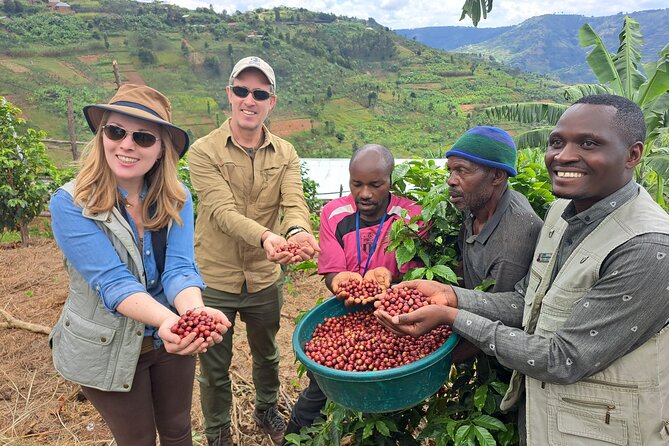
- See coffee from harvest to packaging: The visit can include a local farm or the Kinunu Coffee Washing Station, giving you a better sense of how coffee moves from plant to finished product.
- Lake Kivu is part of the setting: The great lake borders Rwanda and the Democratic Republic of the Congo, and may form part of the route or pickup experience.
- Tea may be included too: The program has also featured tea harvesting, processing, and packaging, so confirm which focus is planned for your date.
- Small groups keep the visit personal: No more than eight people can join, which should make questions and conversation easier.
- Lunch and water are covered: Those simple inclusions help with a morning outing, though private transport is not.
- Plan around the 8:00 a.m. start: The early departure leaves room for the farm visit before the day gets hot, but you need to be ready on time.
Why This Farm Visit Adds More Than a Coffee Stop
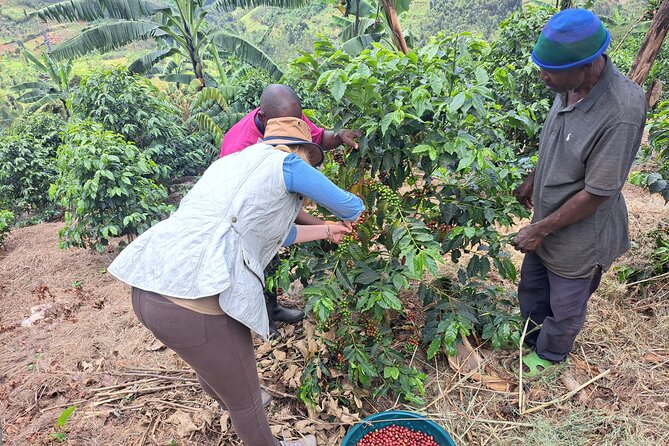
Rwanda is famous for its coffee, but a café tasting only shows you the last step. This tour gives you a chance to look at the work behind the drink, from crops in the field to the handling and preparation that follow harvest.
That matters because coffee farming is not just a pretty rural stop. It involves careful timing, sorting, washing, drying, and packing. A visit to a local operation can help you understand how much labor sits behind a morning cup.
The tea side is useful, too. The tour has included the full tea chain, from harvesting to processing and packaging. If your schedule allows only one farm visit in Rwanda, a combined tea and coffee focus may give you a broader picture of local agriculture than a coffee tasting alone.
The experience is based in Rubavu, near Gisenyi, a city on the shore of Lake Kivu. That location gives the outing a strong sense of place. You are not simply going to a generic agricultural site. You are spending time in one of Rwanda’s best-known lake areas, close to the border with the Democratic Republic of the Congo.
More coffee experiences in Rwanda:
- Kigali: Traditional Coffee Experience ( Bean to Brew)
★ 4.8 · 54 reviews - Specialty Coffee Masterclass
★ 5.0 · 33 reviews - Women-led Coffee Farm Trek
★ 5.0 · 19 reviews
Starting at 8:00 a.m. in Rubavu
The scheduled start is 8:00 a.m. at Rubavu, and the activity ends back at the meeting point. For a short tour, that clear start and finish are useful. You can fit it into a day of sightseeing around Gisenyi without giving up the entire morning.
You should still ask for precise pickup instructions before departure. The details say pickup is offered, but private transportation is not included. Those two points can mean that the operator helps coordinate your collection while the actual vehicle or transfer cost is separate.
One coffee visit included a boat pickup from a lodge in Kigufi, in the Gisenyi area, followed by a trip to Kinunu. That suggests some departures may use Lake Kivu transport rather than a standard road transfer. It is an appealing possibility, but it should not be treated as automatic for every booking.
Ask three simple questions when arranging the tour:
- Where exactly will pickup take place?
- Is the transfer included in the $80.70 price?
- Will the visit focus on coffee, tea, or both?
Those answers will remove the only real logistical fog around the outing.
Lake Kivu Gives the Morning a Wider View
Lake Kivu is one of Africa’s Great Lakes. It sits between Rwanda and the Democratic Republic of the Congo in the Albertine Rift, the western branch of the East African Rift. Its waters flow into the Ruzizi River, which runs south toward Lake Tanganyika.
You may not receive a separate sightseeing stop at the lake, since the listed route identifies Lake Kivu rather than a detailed series of farm stops. Still, its role is important. If your transfer uses the lake, the trip to Kinunu becomes part of the experience instead of just a ride between two points.
The boat account from a visit to Kinunu describes an on-time pickup at a lodge in Kigufi, then a pleasant ride to the coffee washing station. For you, this could be one of the most memorable parts of the morning, but it depends on the meeting arrangement and weather.
The weather condition is worth taking seriously. This activity requires good weather, and poor conditions can lead to a new date or a full refund. Lake transport and rural farm access are naturally more sensitive to rain and rough conditions than an indoor museum visit.
What You Can Learn at a Rwandan Coffee Farm
At the farm stage, you can expect the focus to be on how local growers operate. The available description does not promise a fixed list of demonstrations, so the exact details may vary. The central value is seeing coffee as an agricultural product rather than a finished souvenir.
You might see where coffee plants are grown, hear how the crop is gathered, and learn what happens before beans reach a washing station. A local guide can explain the process in practical terms, connecting the work in the field with the drink you know at home.
The tour is especially useful for people who like to understand everyday work in the places they visit. You are not just looking at scenery. You are learning how a local crop moves through a community and into the export chain.
Do not expect a large, polished visitor center based on the information available. This is presented as a local farm experience, and that usually means the value lies in direct explanation and access rather than displays or entertainment. If you want a formal coffee tasting with detailed flavor notes, ask in advance if that is part of your booking.
A different idea for another day in Rwanda:
- Kigali City Tour
★ 5.0 · 452 reviews - Kigali: Walking Tour with a Local Guide
★ 4.9 · 234 reviews - One-day Akagera National Park Game Drive with a Choice 4×4
★ 5.0 · 105 reviews - Private Full-day Kigali City Tour with Pickup and Lunch
★ 5.0 · 79 reviews
Kinunu Coffee Washing Station
Kinunu is the clearest named coffee destination connected with this outing. A washing station is where harvested coffee cherries are handled and prepared after leaving the farm. The visit can show you a later part of the process, after the work of growing and picking.
That distinction makes the stop worthwhile. A farm helps you understand cultivation. A washing station helps you see the steps that turn harvested coffee into a product ready for later drying, sorting, and packing.
The guided visit to Kinunu was described as very interesting and well organized, with the boat arriving on time at the lodge. You should expect an explanation of the coffee process rather than a simple photo stop. The program may also connect the station to the wider farming network that supplies it.
The supplied details do not specify every machine, processing method, or tasting session. I would not promise a cup prepared on site or a hands-on demonstration. Instead, think of Kinunu as a working agricultural stop where the guide helps you understand the chain from farm to coffee product.
That is a better reason to go than chasing a single drink. You leave with a clearer idea of why coffee farming takes time and why the washing stage matters.
The Tea Option, From Harvest to Packaging
Although coffee is the main focus in the description, tea is clearly part of the experience offered by Beyond the Gorillas Experience. One tea visit covered the journey from harvesting through processing and packaging.
For you, that can make the tour more useful if your interest extends beyond coffee. Tea and coffee are often treated as simple beverages, yet both depend on careful agricultural work and many stages of handling. Seeing those steps side by side can add meaning to what you drink each morning.
The exact tea location is not named in the available details. Because of that, confirm the itinerary before you pay if tea is your priority. The title suggests both tea and coffee, but the detailed route centers on Lake Kivu and the named coffee stop is Kinunu.
I like the flexibility, but it comes with a need for clear communication. If you want coffee, ask for the Kinunu washing station. If you want tea, ask for a visit that includes harvesting, processing, and packaging. If you want both, make sure the three-hour schedule allows enough time.
Guides Make the Difference
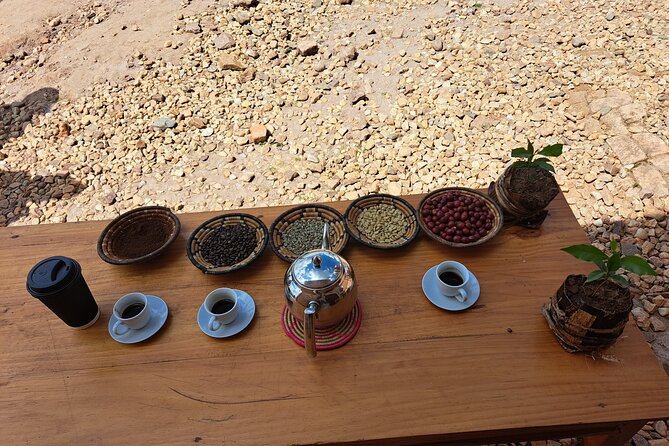
The strongest praise for this outing centers on the guides. The available feedback describes them as kind, passionate, and patient, with strong explanations of the tea process and local coffee work.
Those qualities matter more here than polished facilities. Agricultural tours depend on someone who can explain unfamiliar steps in plain language and give you time to ask questions. A patient guide also helps if members of your group know little about farming.
No guide names are provided, so I cannot tell you who will lead your departure. I can tell you to treat the guide as a major part of the value. At the start, ask how much time you will spend at the farm, washing station, or tea site, and ask what is included in the planned route.
The small group limit of eight should help. You are less likely to be lost in a large crowd, and you should have a better chance to hear explanations and ask about the work. That is particularly useful at a functioning agricultural site, where the details may not be presented on large signs.
Lunch, Water, and the $80.70 Price
The price is $80.70 per person. That is not a minor add-on for a short outing, so value depends heavily on the transport arrangement and the exact route.
Bottled water and lunch are included. Those are practical benefits, especially with an 8:00 a.m. start and a rural visit. You will not need to arrange those basics yourself, and lunch helps make the outing feel like more than a quick transfer to a farm.
The price is easier to justify if your booking includes a well-organized pickup, a boat ride to Kinunu, a guided washing-station visit, and lunch. It is harder to judge if you must arrange and pay for private transport separately and receive only a brief farm stop.
That is why I would ask for the full cost before booking. The listing makes clear that private transportation is not included, while pickup is offered. Get the transport price and meeting details in writing.
The small group size also affects the value. A maximum of eight people is more personal than a large coach tour, and that can make the guide’s explanations more useful. You are paying for access, organization, and local interpretation, not just a cup of coffee.
How the Three-Hour Schedule May Feel
Three hours is enough for a focused visit, but not enough for a long, slow tour of several distant sites. The experience works best if you want one agricultural theme and a manageable morning.
A likely flow is an 8:00 a.m. meeting or pickup, transport toward the farm or Kinunu area, a guided explanation of coffee or tea production, lunch and water, then a return to the meeting point. The exact order is not specified, so confirm it before departure.
If the route uses a boat from Kigufi, the transfer itself may take a meaningful share of the morning. That is not a problem if you enjoy being on Lake Kivu, but it leaves less time for a long farm walk. If you want extensive time in the fields, ask how much of the three hours is spent at the main site.
The early start has two sides. You get the activity done before the rest of your day, but you must be ready at 8:00 a.m. A late arrival could be troublesome on a short tour, especially if a boat or coordinated pickup is involved.
Who Will Enjoy This Most
I would recommend this outing to you if you like local food, farming, and the practical side of travel. It suits people who want to see how a familiar drink begins, rather than simply buying coffee in a shop.
It is also a good choice if you are staying around Gisenyi and want an activity connected to Lake Kivu. The Kinunu boat account makes the outing particularly appealing for people who enjoy transport as part of the day.
The tour may suit families and mixed-age groups because most people can participate, and the pace is likely easier than a strenuous outdoor excursion. The provided information says most participants can join, but it does not give detailed accessibility information, so ask about the farm surface, boat access, and walking requirements if those points matter to you.
I would be more cautious if you want a long coffee tasting, a highly technical agricultural lesson, or a full-day rural tour. Three hours keeps the program compact, and the exact tea or coffee content can vary.
Booking, Weather, and Cancellation Advice
Confirmation is provided when you book, and the maximum group size is eight. The activity ends at its starting meeting point, which makes onward planning simpler.
You can cancel for a full refund if you do so at least 24 hours before the 8:00 a.m. start time. A cancellation made within 24 hours is not refundable, and changes in that final 24-hour period are not accepted.
Bad weather is handled differently. If conditions force the operator to cancel, you will be offered another date or a full refund. Since the trip may involve rural access and possibly a boat, check the forecast and keep some flexibility in your schedule.
Is This Tea and Coffee Tour Worth Booking?
I would book this tour if you want a short, local experience that connects coffee or tea with the people and work behind it. The best reasons are the small group, patient guides, lunch, and the possibility of reaching Kinunu by boat from the Gisenyi area.
I would not book without first confirming the main focus and transport cost. The $80.70 price can be fair when the route is well organized and includes the Lake Kivu transfer, but private transportation may add to the total.
Choose it for agricultural insight, local conversation, and a different view of the Gisenyi area. Skip it if you only want a quick tasting or need a fully fixed itinerary with no transport questions. For the right visitor, this is a useful morning that makes the daily cup on your breakfast table feel a little less ordinary.
FAQ
How much does the tea and coffee tour cost?
The price is $80.70 per person.
How long does the experience last?
The tour lasts approximately three hours.
Where does the tour start and end?
It starts in Rubavu, Rwanda, at 8:00 a.m., and ends back at the meeting point.
Is pickup available?
Pickup is offered. However, private transportation is not included, so confirm the exact pickup arrangement and any added transport cost before booking.
What is included in the price?
Bottled water and lunch are included.
What happens if I need to cancel?
You can receive a full refund by canceling at least 24 hours before the experience start time. Cancellations or changes made within 24 hours are not accepted for a refund. If poor weather causes the operator to cancel, you will be offered another date or a full refund.
Just added around Rwanda
- Kigali City Tour and Sightseeing★ 5.0 · 3 reviews
- Home staying experience★ 5.0 · 3 reviews
- 3-Day Rwanda Gorilla Safari★ 4.5 · 3 reviews
- One day Kivu Lake & Gisenyi Adventures★ 5.0 · 3 reviews
- 1 Day Rwanda Gorilla Trekking★ 5.0 · 3 reviews
- 2 Days Gorilla Trekking Rwanda★ 5.0 · 3 reviews
- Kigali: Traditional Carpet Weaving (Ikirago) + amazing views★ 5.0 · 3 reviews
- Kigali: Guided City Tour let us learn, enjoy together ❤️★ 3.6 · 3 reviews
Coffee Experiences, compared.



Full Day Shared Akagera Safari Tour with Lunch and Coffee
Read our review →Lake Kivu Trip with a Hike and Coffee plantation experience
Read our review →

Local Community Tour(Cultural, Coffee,Village walk,Local food)
Read our review →Browse the lists this tour appears in