
Review · CULTURAL & TRADITIONAL VILLAGE EXPERIENCES
Kigali: Learn How to Make Hot Sauce from Scratch
Spice up your Kigali plans fast. This 90-minute class at BORISKA RESTOhouse gives you a hands-on way to meet Rwanda through food, with Jalapeños, Habaneros, and local Pili Pili peppers waiting on the cutting board. I like the small group size of up to 10 and the fact that you leave with a bottle of your own sauce, not just a few cooking tips. The main consideration is heat: if you do not enjoy spicy food, you will need to taste carefully and ask for help balancing your blend.
I also like the class’s focus on fermentation, which explains why hot sauce can develop more depth after the peppers are mixed. A chef guides you through each step, and the session includes sauce tasting and stories about making it. At $35 per person, it is good value if you want an active food experience rather than another quick meal, though it is not a full cooking course or a long cultural tour.
In This Review
- Key points to know before you book
- Why this Kigali food class is worth your time
- Starting at BORISKA RESTOhouse 1
- Choosing between Jalapeños, Habaneros, and Pili Pili
- Cutting and preparing the peppers yourself
- Building the sauce one taste at a time
- Learning why fermentation changes hot sauce
- Bottling a spicy souvenir of Rwanda
- What the $35 price gets you
- Who will enjoy this class most
- Practical booking advice and cancellation terms
- Should you book the Kigali hot sauce class?
- FAQ
- How long does the hot sauce class last?
- Where does the activity start?
- Where does the activity end?
- What peppers can I choose from?
- Is a bottle of sauce included?
- Is transportation included?
- How many people can join the activity?
- Can I cancel for a full refund?
Key points to know before you book
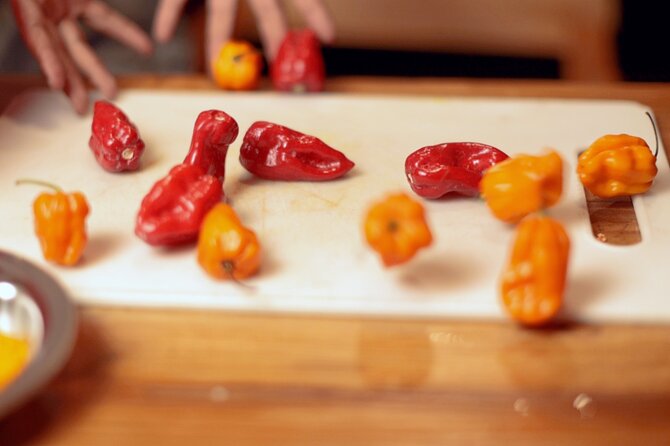
- You make your own blend: Choose from Jalapeños, Habaneros, and Rwanda’s Pili Pili, then adjust the mix to suit your taste.
- You work with real ingredients: You cut the peppers yourself before blending them with the other ingredients and spices.
- Fermentation is part of the lesson: The chef explains how fermentation adds flavor and helps shape the sauce over time.
- You take home a bottle: The included bottle of sauce gives you a useful and edible souvenir of Kigali.
- The group is capped at 10 people: That keeps the chef’s guidance fairly personal and gives you room to participate.
- The meeting point is BORISKA RESTOhouse 1: The class starts and ends at KG 115 St in Kigali, with no private transport included.
Why this Kigali food class is worth your time
Kigali has plenty of ways to fill an afternoon, but a short food workshop can give you a stronger connection to place than simply ordering a dish. Here, you handle a local ingredient, make decisions about flavor, and carry the result home. That makes the experience feel personal without demanding a full day.
I see this as a good choice for you if you enjoy food, like learning by doing, or want a break from standard sightseeing. You do not need to be an experienced cook. The process is broken into clear steps, and the chef provides guidance as you go.
The class lasts about one hour and 30 minutes. That is long enough to cover preparation, blending, tasting, and fermentation, but short enough to fit around other plans in Kigali. Since the activity is usually booked about seven days ahead, I would reserve early if your schedule is fixed.
More cultural experiences in Kigali:
- Kigali: Mount Kigali and Cultural Village Tour with Snacks
★ 4.8 · 62 reviews - Kigali: Traditional Coffee Experience ( Bean to Brew)
★ 4.8 · 54 reviews - Kigali: Traditional Basket Weaving in a Garden
★ 4.8 · 41 reviews
Starting at BORISKA RESTOhouse 1
The meeting point is BORISKA RESTOhouse 1 on KG 115 St in Kigali. You need to arrange your own way there because private transportation is not included. The activity ends at the same location, which makes planning easier once you arrive.
You receive a bottle of water at the start. It is a small touch, but it makes sense for a class involving hot peppers and active food preparation. Bring your attention, an appetite for tasting, and a willingness to adjust your recipe rather than simply follow one fixed formula.
The group limit is 10 people. That matters here because the class works best when you can ask questions, compare flavors, and get help from the chef. In a very large group, you might spend most of the time watching. This size should give you a reasonable chance to work directly with the ingredients.
Choosing between Jalapeños, Habaneros, and Pili Pili
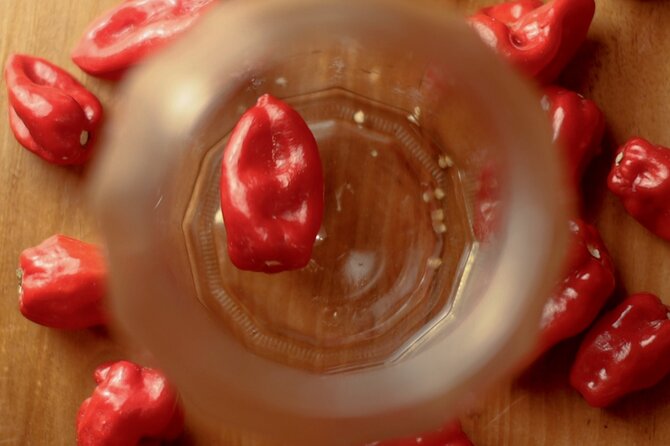
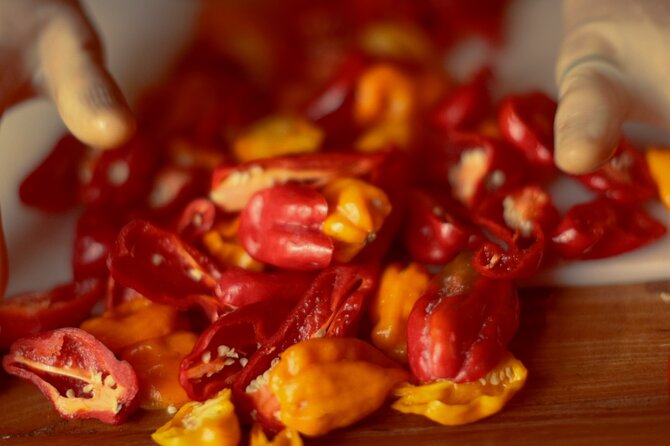
The first real decision is your pepper selection. You choose from Jalapeños, Habaneros, and Pili Pili, a local favorite. Each pepper brings a different level of heat and character, so your choices shape the sauce from the start.
Jalapeños give you a more approachable base. Habaneros push the heat much further. Pili Pili connects the class to Rwanda’s own food culture and gives you the chance to make a sauce that feels tied to the place, not simply a generic hot sauce recipe.
You are not locked into one pepper. The chef helps you mix the peppers in the right proportions, and you taste as you go. That is one of the best parts of the class because you learn how small changes affect the finished sauce.
The careful approach matters. Hot peppers can quickly overpower other flavors, especially when you combine several types. Instead of treating heat as a contest, you can work toward a balance that you will actually want to use at home.
Cutting and preparing the peppers yourself
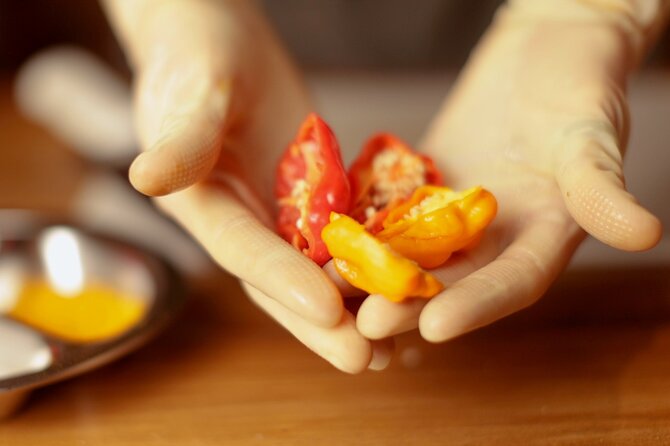
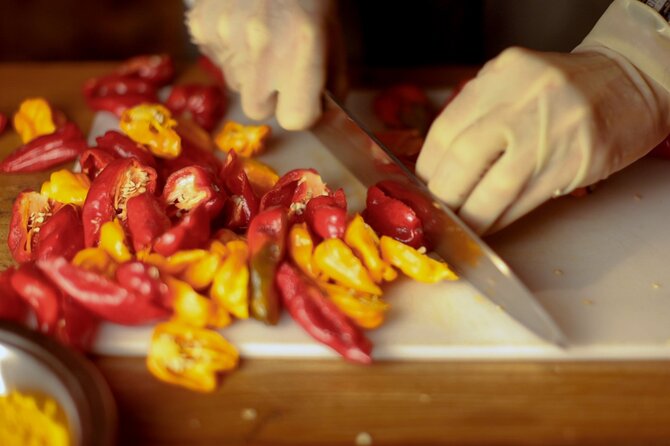
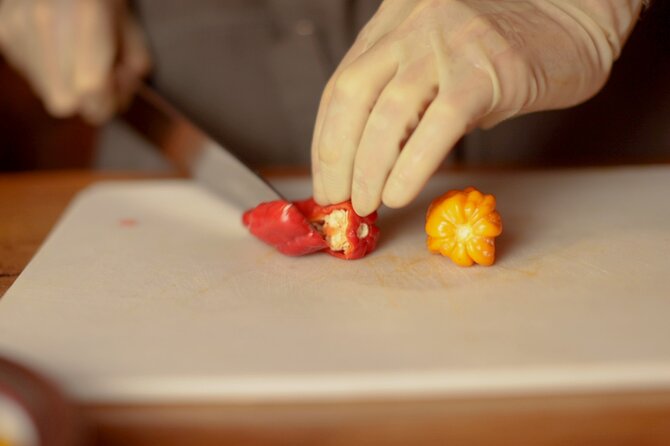
After choosing your peppers, you use a knife to cut and prepare them. This is a simple step, but it gives you a direct feel for the ingredients. You notice their aromas and begin to understand how different peppers might behave in the final blend.
The chef guides you through the preparation, so you are not expected to know the technique in advance. Still, pay attention and take your time. The point is not to rush through chopping. It is to see how the sauce begins with fresh ingredients before blending changes its texture and flavor.
This hands-on work also makes the class more than a demonstration. You are making choices and handling the food yourself. If you are traveling with children, check the arrangements before booking, since the supplied information does not specify age rules or special provisions for young participants.
A different idea for another day in Rwanda:
- Kigali City Tour
★ 5.0 · 452 reviews - Kigali: Walking Tour with a Local Guide
★ 4.9 · 234 reviews - One-day Akagera National Park Game Drive with a Choice 4×4
★ 5.0 · 105 reviews - Private Full-day Kigali City Tour with Pickup and Lunch
★ 5.0 · 79 reviews
Building the sauce one taste at a time
Once the peppers are prepared, you move to blending. You combine the peppers with the other ingredients, then adjust the flavor with the chef’s help. Extra spices and ingredients let you give the sauce your own twist.
The tasting stage is central. You do not simply wait for the chef to announce that the sauce is finished. You taste, decide what is missing, and make changes. Maybe the blend needs more heat. Maybe it needs a different balance of spice. The class gives you room to find your preferred result.
You also get to taste different sauces during the session. That comparison helps you understand what you like before settling on your own bottle. It is a useful detail for beginners because the best recipe is not always the hottest one.
The sauce can be tailored to your comfort level, but the class naturally centers on chili. If you strongly dislike heat, this may not be the right activity. If you like spicy food but are cautious with Habaneros or Pili Pili, start with small amounts and let the chef guide the blend.
Learning why fermentation changes hot sauce
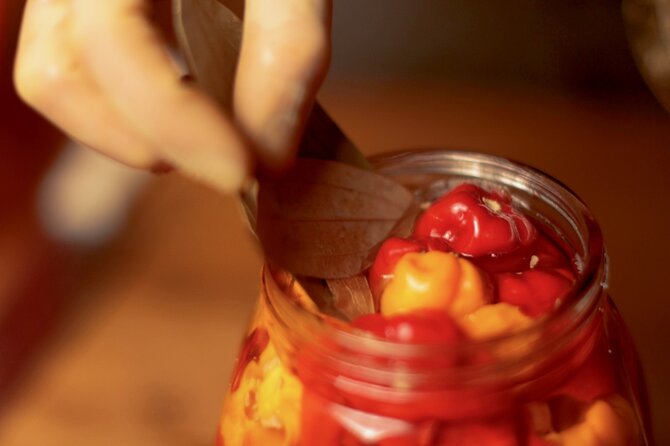
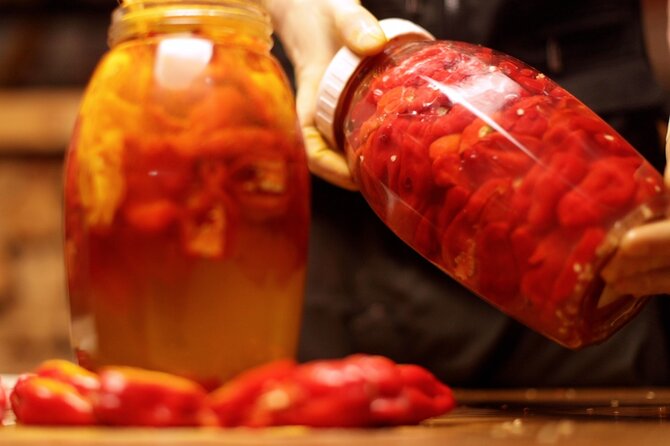
Fermentation adds the most interesting food lesson to the class. The chef explains how the process gives hot sauce more depth and complexity over time, rather than treating it as a simple mixture of peppers and spices.
You begin the fermentation process during the session. The sauce you take home is therefore more than a finished condiment made by someone else. You have started a process and learned why its flavor can change as time passes.
The available details do not state how long your sauce should ferment, where to store it, or when it reaches its best flavor. Ask the chef those questions before you leave. That advice will be more useful than guessing, especially since fermentation needs proper handling.
I like this part because it turns a souvenir into an ongoing reminder of Kigali. You can use the bottle at home, but you also understand that the flavor may continue to develop. It gives the class a little more substance than a quick make-and-take activity.
Bottling a spicy souvenir of Rwanda
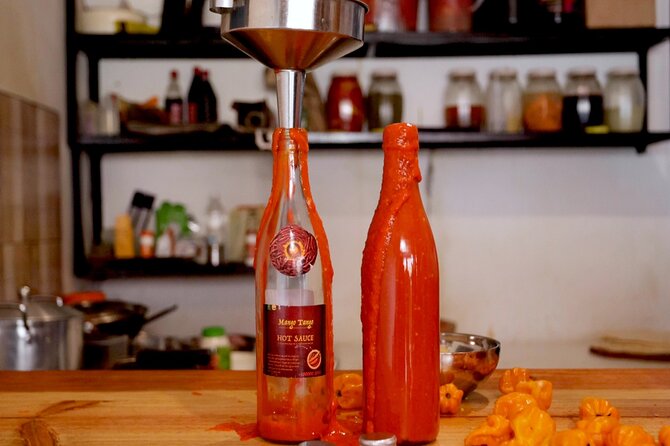
At the end, the chefs help you bottle your sauce. The bottle is included in the price, and you take it home with you. The size is described as a big bottle in the available feedback, which makes the souvenir feel practical rather than decorative.
Food souvenirs have a clear advantage: you can use them. Every time you add the sauce to a meal, you have a small reminder of your time in Rwanda. The sauce also makes a more personal gift than a standard shop purchase because you selected the peppers and shaped the flavor yourself.
Pack it with care in your luggage. The supplied information does not explain packaging for air travel or whether the bottle is suitable for checked or carry-on baggage, so ask at the venue if you are flying soon. That is especially important if you plan to carry it across borders.
What the $35 price gets you
The price is $35 per person. It covers the 90-minute session, chef instruction, pepper preparation, blending, tasting, fermentation guidance, and one bottle of sauce to take home. Water is also provided at the start.
For the right kind of visitor, that is a fair price. You are paying for an activity, food, instruction, and a finished product. The small group limit adds value because the chef can help you adjust the recipe instead of leaving you to work alone.
The value is weaker if you only want a cheap condiment or a quick taste of local food. You could spend less on a bottle of sauce elsewhere, but you would miss the process. This class makes sense when you want the story behind the food and the chance to create something yourself.
Private transportation is not included. Add the cost and time of getting to KG 115 St when you plan your day. Since the start and end point are the same, you do not need to arrange a separate pickup after the class.
Who will enjoy this class most
I would recommend it most strongly to:
- Food-focused visitors who want a practical activity in Kigali
- People who enjoy spicy flavors and want to control the heat
- Couples, friends, and small groups looking for something social
- Beginner cooks who prefer clear guidance
- Visitors who want a useful souvenir rather than a decorative one
- Anyone curious about fermentation and how flavor develops
It can also work well as a compact activity between other Kigali plans. The 90-minute length keeps the commitment manageable. Just remember to allow extra time for reaching the meeting point and for any questions you want to ask at the end.
This is less suited to you if you want a broad introduction to Rwandan cuisine, a market visit, or a full meal. The focus is narrow by design: peppers, sauce, tasting, and fermentation. That focus is a strength if it matches your interests, but a limitation if you want a wider food tour.
Practical booking advice and cancellation terms
You receive confirmation when you book, and the experience uses a mobile ticket. Keep the ticket available on your phone when you arrive.
The activity has free cancellation up to 24 hours before the start time. Cancel at least 24 hours ahead for a full refund. Cancellations or changes made less than 24 hours before the start time are not accepted for a refund, and the cut-off follows Kigali local time.
Because the class is often reserved about seven days ahead and the group is limited to 10 people, I would not leave it until the last minute if you want a particular date. Confirm the meeting address, plan your own transportation, and ask the chef about fermentation care before you depart.
Should you book the Kigali hot sauce class?
Book it if you want a short, active Kigali experience with a clear local flavor. The strongest reasons are the choice of Pili Pili, the personal recipe adjustments, the chef-led tasting, and the bottle you take home. The fermentation lesson also gives the activity more meaning than a basic cooking demonstration.
Skip it if you dislike chili, want a full meal, or prefer a broad cultural tour. For everyone else, $35 buys a friendly small-group session, a practical cooking lesson, and an edible souvenir you helped create. That is a tasty use of 90 minutes in Kigali.
FAQ
How long does the hot sauce class last?
The experience lasts approximately one hour and 30 minutes.
Where does the activity start?
It starts at BORISKA RESTOhouse 1, KG 115 St, Kigali, Rwanda.
Where does the activity end?
The activity ends back at the meeting point at BORISKA RESTOhouse 1.
What peppers can I choose from?
You can choose from Jalapeños, Habaneros, and Pili Pili.
Is a bottle of sauce included?
Yes. A bottle of sauce is included, and you take it home after the session.
Is transportation included?
No. Private transportation is not included, so you need to arrange your own way to the meeting point.
How many people can join the activity?
The activity has a maximum of 10 travelers.
Can I cancel for a full refund?
Yes. You can receive a full refund if you cancel at least 24 hours before the experience start time. Changes or cancellations made less than 24 hours ahead are not accepted for a refund.
Just added around Kigali
- Kigali City Tour and Sightseeing★ 5.0 · 3 reviews
- Home staying experience★ 5.0 · 3 reviews
- 3-Day Rwanda Gorilla Safari★ 4.5 · 3 reviews
- 2 Days Gorilla Trekking Rwanda★ 5.0 · 3 reviews
- 1 Day Rwanda Gorilla Trekking★ 5.0 · 3 reviews
- Kigali: Traditional Carpet Weaving (Ikirago) + amazing views★ 5.0 · 3 reviews
- Kigali: Guided City Tour let us learn, enjoy together ❤️★ 3.6 · 3 reviews
- 1 Day Gorilla Trekking Safari in Rwanda Volcanoes National Park★ 5.0 · 3 reviews
Cultural & Traditional Village Experiences, compared.
Mount Kigali and Cultural Village Tour with Snacks
Read our review →
One Day Gorilla Trekking Rwanda & Iby’iwacu Cultural Village
Read our review →
Browse the lists this tour appears in