
Review · CULTURAL & TRADITIONAL VILLAGE EXPERIENCES
Kigali: Learn How to Make Hot Sauce from Scratch
Bring an appetite for heat. This 90-minute Kigali class turns local peppers into a personal souvenir, with guided mixing, tasting, and bottling. I like the small group of 10 and the chance to work with jalapeños, habaneros, and local pili pili rather than simply buying a bottle from a shop. I also like that the sauce is adjusted to your taste, so you can aim for flavor first or serious heat.
The main caution is simple: this is not a good match if you cannot handle spicy food or have a pepper allergy. Even the milder choices can become hot once mixed, and the finished bottle is intended to bring plenty of fire home. At $35 per person, the experience offers good value if you enjoy food activities and personal contact, but less value if you only want a quick tasting.
In This Review
- Five things to know before you book
- Why a hot sauce class fits Kigali
- The first step: choosing your peppers
- Mixing and tasting your own recipe
- Fermentation advice that adds depth
- Bottling a souvenir with real use
- James and the value of local conversation
- How the 90 minutes are likely to feel
- Is $35 a fair price in Kigali?
- Who should choose this experience?
- Booking details that matter
- Should you book the Kigali hot sauce class?
- FAQ
- How long does the hot sauce class last?
- How much does the experience cost?
- Which peppers can I use?
- Do I get to take the hot sauce home?
- Is transportation included?
- Is the class suitable for people with pepper allergies?
Five things to know before you book
- You make the sauce yourself: You choose peppers, mix the ingredients, taste the result, and adjust it before bottling.
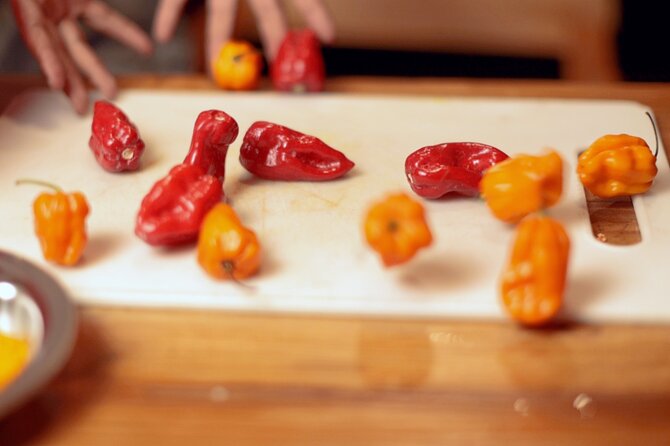
- Pili pili brings a local touch: Alongside jalapeños and habaneros, you can use Rwanda’s familiar pili pili pepper.
- The finished bottle travels home: Bottles are included, giving you a practical souvenir instead of only a memory.
- The class includes fermentation advice: You learn how fermentation can change the taste and add extra punch.
- James adds personal context: One highly praised session was led by James, who also owns the restaurant and shared stories about Rwanda and its people.
- It stays small and focused: With no more than 10 participants, you should have room to ask questions and make your own choices.
Why a hot sauce class fits Kigali
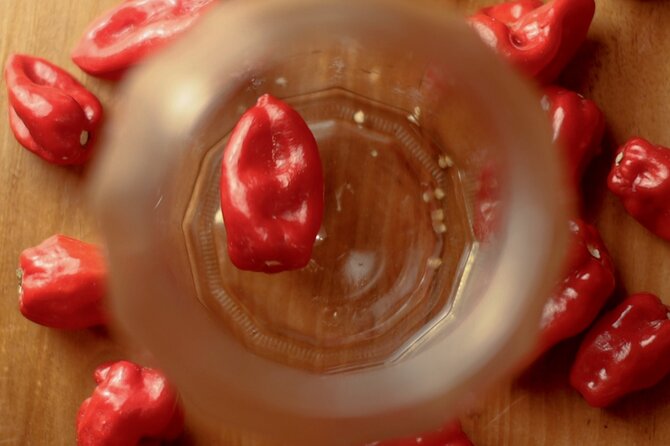
Kigali is easy to experience through food. A restaurant meal gives you a finished dish, but this class lets you work with one of the ingredients that gives many meals their character. You are not just eating a sauce made by someone else. You are learning how pepper, seasoning, and fermentation affect the final taste.
That makes the activity useful for more than hot sauce fans. If you cook at home, you can take away ideas for adjusting heat and flavor. If you are curious about Rwanda, the session gives you a relaxed setting for conversation about local food and daily life.
The class also has a clear sense of place. Jalapeños and habaneros are familiar to many international cooks, while pili pili gives your mixture a Rwandan angle. You can create something that reflects your own heat tolerance, but the ingredients keep the experience tied to Kigali.
I would not choose this as your only food activity in Rwanda. It is a short workshop rather than a full meal or a broad cooking course. Still, it makes a smart addition to a Kigali stay, especially if you want something hands-on and different from sightseeing.
More cultural experiences in Kigali:
- Kigali: Mount Kigali and Cultural Village Tour with Snacks
★ 4.8 · 62 reviews - Kigali: Traditional Coffee Experience ( Bean to Brew)
★ 4.8 · 54 reviews - Kigali: Traditional Basket Weaving in a Garden
★ 4.8 · 41 reviews
The first step: choosing your peppers
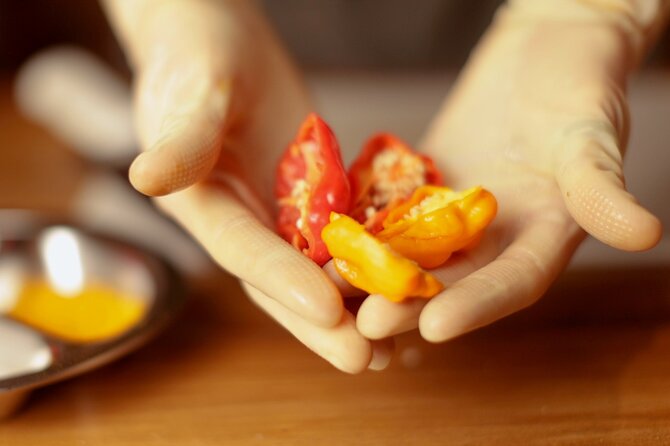
The session begins with a selection of peppers, including jalapeños, habaneros, and pili pili. This choice matters because the peppers do more than set the heat level. They shape the character of the sauce, so your first decision is also your first lesson.
Jalapeños are the sensible starting point if you prefer a gentler result. Habaneros bring much more heat, while pili pili gives you the chance to use a local favorite in your blend. You can mix peppers rather than committing to only one, which lets you build a sauce with a balance of heat and flavor.
You should be honest about your tolerance at this stage. It is easy to feel brave before tasting a hot pepper, then discover that the final sauce is stronger than expected. If you usually avoid spicy food, ask for guidance and begin with the milder option. The goal is not to win a contest. The goal is to make a bottle you will actually use.
The ingredient selection is included in the $35 price. That helps the activity feel more substantial than a demonstration where you only watch someone else cook. You are making decisions that affect the result from the start.
Mixing and tasting your own recipe
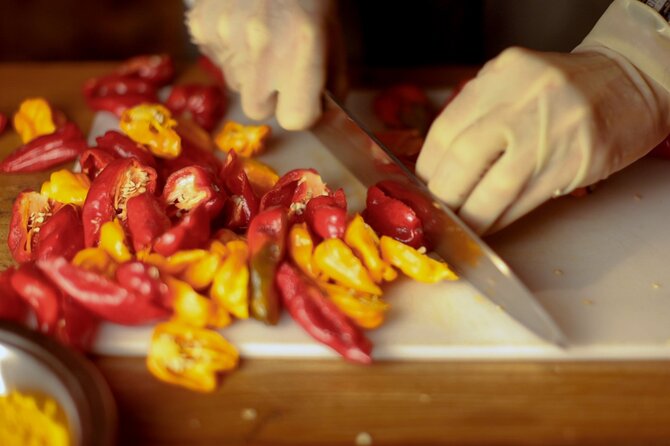
Once you have selected your peppers, the guide shows you how to mix them with the other ingredients provided. The exact recipe is not fixed for every participant, which is one of the best parts of the class. You get to build a sauce around your own preferences.
This stage should be treated as a gradual process. Add, mix, taste, and adjust. You might decide that the sauce needs more pepper, more seasoning, or a different balance. The supplied information does not specify every extra ingredient, but it does say you can add your own twist with additional spices.
That freedom gives the class a little more personality than a standard recipe lesson. Two people can begin with the same pepper choices and end with different sauces. One bottle might focus on heat, while another aims for a fuller flavor with less bite.
For you, the important point is that tasting is part of the work. You are not handed a finished mixture at the end and asked to accept it. You have a chance to correct it before bottling. If you are cautious with spice, take small tastes and make changes slowly.
The tasting stage is also where the guide’s advice matters most. The class includes expert tips, and a small group means you should be able to ask why a certain ingredient is being added or how a change will affect the sauce. That practical back and forth is a key part of the value.
Fermentation advice that adds depth
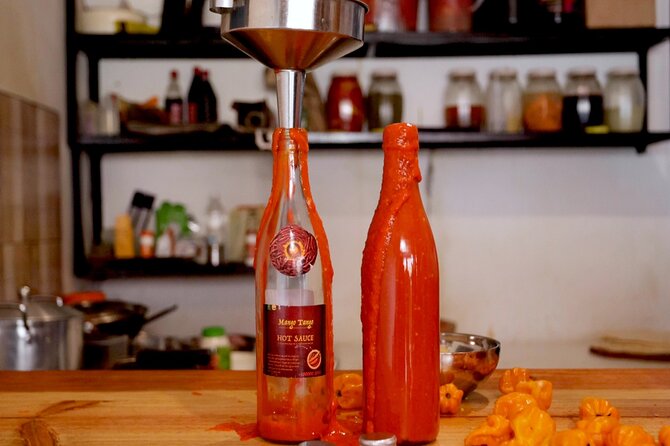
The class also explains fermentation, the process that can give hot sauce a different taste and more punch. You should think of this as an introduction rather than a full preservation course. The information provided promises discussion and tips, but not a separate long fermentation project during the 90-minute session.
Even so, it is a useful subject to include. A sauce made from fresh peppers can taste bright and direct, while fermentation can change its flavor over time. Learning about that process gives you a better sense of why bottled sauces can taste so different from one another.
If you are interested in making hot sauce at home, this part may be the most useful lesson to take with you. You can ask questions about how fermentation affects flavor and how it fits into the kind of sauce you want to make. If you are simply looking for a fun Kigali activity, it adds a bit of food education without turning the session into a technical lecture.
Do not expect a full course in food safety or long-term storage based on the supplied details. The activity focuses on making, tasting, and bottling your own sauce. For home experiments later, you should seek more detailed instructions before attempting extended fermentation on your own.
A different idea for another day in Rwanda:
- Kigali City Tour
★ 5.0 · 452 reviews - Kigali: Walking Tour with a Local Guide
★ 4.9 · 234 reviews - One-day Akagera National Park Game Drive with a Choice 4×4
★ 5.0 · 105 reviews - Private Full-day Kigali City Tour with Pickup and Lunch
★ 5.0 · 79 reviews
Bottling a souvenir with real use
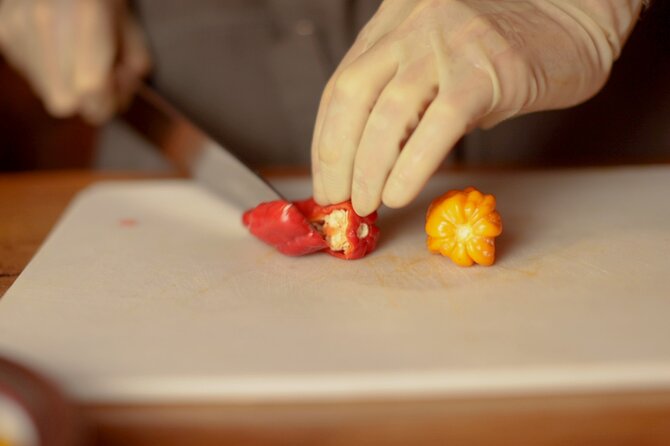
After the flavor is adjusted, the sauce is put into a bottle for you to take home. Bottles are included, along with the ingredients and guided instruction. This is a small detail, but it makes the activity feel complete.
Many souvenirs sit on a shelf and do little after the trip. A bottle of your own hot sauce has a job. You can use it with meals, share it with friends and family, or open it later as a reminder of your time in Rwanda. One participant described leaving with a sealed bottle ready for others to try, which is a good reason to think about who at home might enjoy it.
The bottle also gives you a clear ending to the class. You start with a choice of peppers, make a series of adjustments, and finish with something you created. That sense of progress is more satisfying than a simple tasting flight.
You should still handle the souvenir carefully while carrying it around Kigali and on the journey home. The provided information confirms that bottling is included, but it does not give details about packaging for air travel or checked luggage. Ask the provider if you have concerns about transport.
James and the value of local conversation
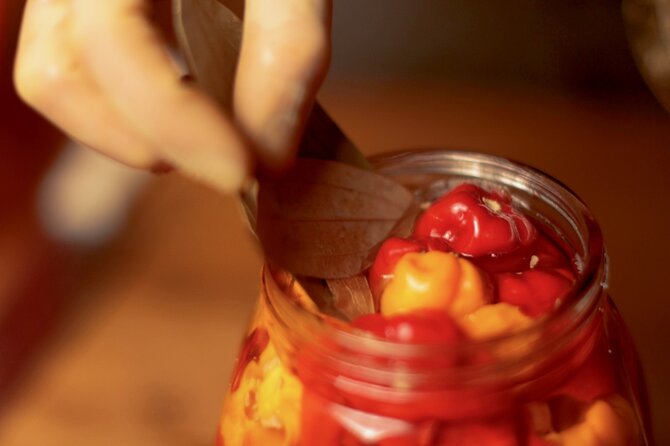
The strongest personal praise was directed at James, who also owns the restaurant connected with the activity. He was described as warm, entertaining, and generous with personal stories about Rwanda and its people. That kind of conversation can make a short food class feel much more connected to the place.
James is not presented only as someone who explains a recipe. He also adds background and context, helping you see the sauce as part of a wider Rwandan food experience. The personal stories were an important reason one participant returned to the restaurant twice during a Kigali visit.
You should not assume James will lead every session, since the activity lists English and Russian instruction but does not promise a specific guide for every date. Still, his presence gives you a useful idea of the kind of host you may meet: someone able to combine food instruction with conversation about local life.
The language options are English and Russian. If you need another language, this activity may not suit you. For English-speaking visitors, the listed language should make the cooking instructions and tasting discussion straightforward.
How the 90 minutes are likely to feel
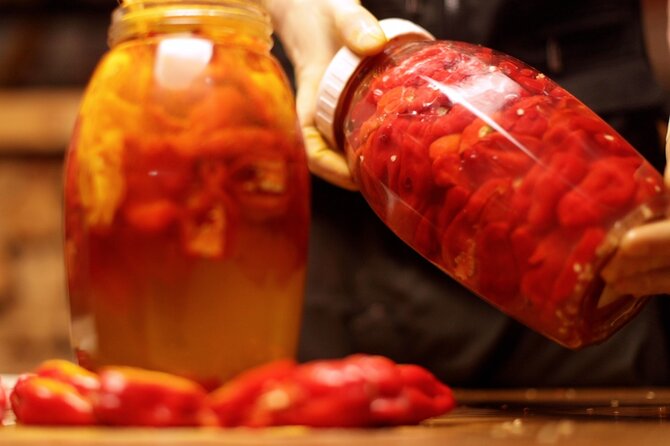
Ninety minutes is a good length for this subject. It is long enough to choose ingredients, mix and taste, hear about fermentation, and bottle the finished sauce. It is also short enough to fit around a morning or afternoon in Kigali.
The session is not designed as an all-day cooking experience. You will not spend hours preparing a full Rwandan meal. Instead, the focus stays on one product and the decisions that shape it.
A likely flow looks like this:
- You receive guidance about the available peppers and choose your combination.
- You mix the peppers with the included ingredients.
- You taste the sauce and adjust its heat and flavor.
- You discuss fermentation and possible spice additions.
- You bottle your finished sauce and take it with you.
This structure gives you a clear job at every stage. There is little risk of standing around while someone else does all the work, although the exact pace may depend on the group.
The group limit of 10 is important. A larger class could turn tasting and questions into a crowded process. With fewer participants, you should have a better chance to get advice on your own mixture. It may also be easier to compare choices with the people around you without losing the personal nature of the activity.
Is $35 a fair price in Kigali?
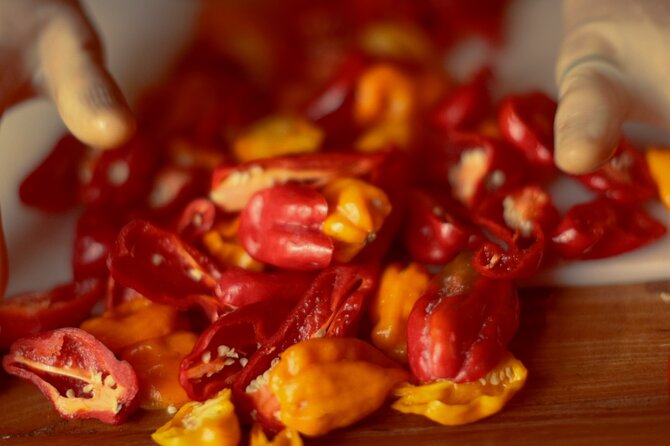
At $35 per person, this is not the cheapest way to sample pepper sauce. You could buy a prepared bottle for much less. The price makes more sense when you count the instruction, the pepper selection, the ingredients, the bottle, and the time spent with a guide.
I consider it fair for someone who values a hands-on activity. You are paying for the process and the conversation, not only for the final sauce. The personal bottle is part of the package, but it is not the whole reason to book.
The value is stronger if you enjoy cooking, want a food-based memory of Rwanda, or like meeting local hosts in a small setting. It is weaker if you do not eat spicy food, have limited time, or expect a full meal to be included. Extra food and drinks are not part of the price, so plan this around lunch or dinner rather than using it as a replacement.
Transportation is also not included. You need to arrange your own way to the activity location in Kigali Province. That is easy enough to account for, but it means the advertised price is not the total cost of your outing.
Who should choose this experience?
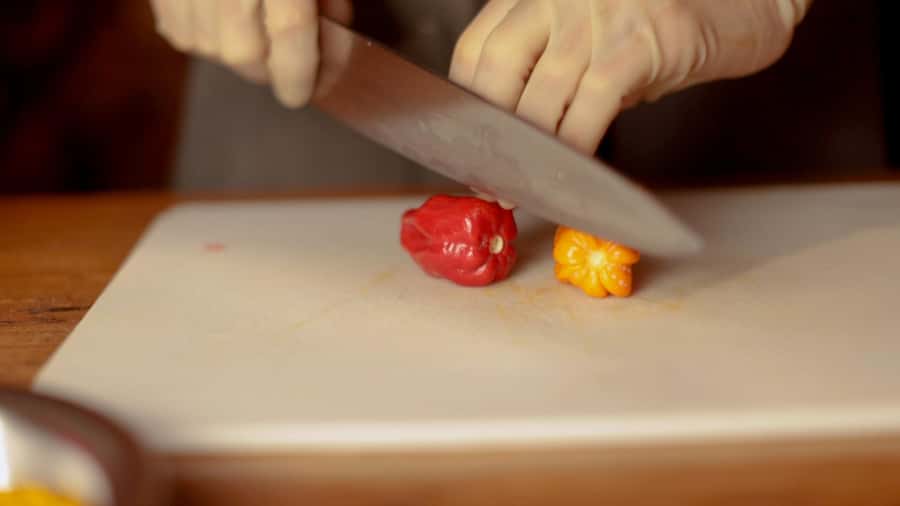
I would recommend it most strongly to:
- People who enjoy cooking classes and want to make something rather than watch.
- Hot sauce fans who like testing different pepper levels.
- Food-focused visitors looking for a personal souvenir from Rwanda.
- Couples, friends, or small groups who enjoy comparing recipes.
- Curious eaters who want conversation about local ingredients and culture.
- Home cooks interested in learning how fermentation changes sauce.
I would be more cautious if you have a very low tolerance for spice. One participant enjoyed the class despite not liking hot sauce, but that does not remove the allergy warning or the possibility of serious heat from habaneros and pili pili.
Families should also consider the pepper issue carefully. The supplied information does not give a minimum age, child pricing, or special arrangements for children. If you are considering bringing a child, ask the provider before booking.
Booking details that matter
You can cancel up to 24 hours before the activity for a full refund. You can also reserve now and pay later, which helps if your Kigali schedule is still changing.
Starting times depend on availability, so check the date carefully. The activity lasts 90 minutes, but you should leave extra time around it for getting to the location and arranging your own transport.
The provider is NuttinTODO. Instruction is offered in English and Russian, and the group is limited to 10 participants. The listed rating is 5 out of 5 from five verified bookings, with praise centered on the fun, flavor, educational value, and the host’s personal touch. That is a small sample, so I would treat it as encouraging rather than as proof that every session will feel identical.
Should you book the Kigali hot sauce class?
Book it if you want a short, social food activity with a souvenir you can eat later. The best reasons are the personal recipe, the chance to use pili pili, the small group, and the opportunity to speak with a host such as James about Rwanda as you work.
Skip it if spicy food is unsafe for you, if you need a full meal included, or if you would rather spend your Kigali time on a broad cooking course. For everyone else, $35 buys more than a bottle. It buys a playful lesson, a taste of local flavor, and a useful reminder of your trip.
FAQ
How long does the hot sauce class last?
The activity lasts 90 minutes.
How much does the experience cost?
The price is $35 per person.
Which peppers can I use?
The available selection includes jalapeños, habaneros, and pili pili.
Do I get to take the hot sauce home?
Yes. A bottle is included, and you can take your finished sauce home.
Is transportation included?
No. Transportation is not included in the activity price.
Is the class suitable for people with pepper allergies?
No. The activity may not be suitable if you have an allergy to peppers or cannot handle spicy food.
Just added around Kigali
- Kigali City Tour and Sightseeing★ 5.0 · 3 reviews
- Home staying experience★ 5.0 · 3 reviews
- 3-Day Rwanda Gorilla Safari★ 4.5 · 3 reviews
- 2 Days Gorilla Trekking Rwanda★ 5.0 · 3 reviews
- 1 Day Rwanda Gorilla Trekking★ 5.0 · 3 reviews
- Kigali: Traditional Carpet Weaving (Ikirago) + amazing views★ 5.0 · 3 reviews
- Kigali: Guided City Tour let us learn, enjoy together ❤️★ 3.6 · 3 reviews
- 1 Day Gorilla Trekking Safari in Rwanda Volcanoes National Park★ 5.0 · 3 reviews
Cultural & Traditional Village Experiences, compared.
Mount Kigali and Cultural Village Tour with Snacks
Read our review →
One Day Gorilla Trekking Rwanda & Iby’iwacu Cultural Village
Read our review →
Browse the lists this tour appears in