
Review · CULTURAL & TRADITIONAL VILLAGE EXPERIENCES
Banana Juice Making at a Local Community
Bananas take a surprising route to your glass. This hands-on day near Muhanga gives you a close look at rural Rwandan life while teaching you how green bananas become a popular party drink. I like the unusual process, especially burying the bananas in the ground to ripen, and I like the generous time set aside for lunch and conversation with your hosts. The main drawback is the length: this can take five to eight hours, and you need to arrange your own way to Muhanga unless you pay extra for help with that connection.
This is not a quick tasting stop. You will cut and collect bananas, help with practical chores, eat a traditional meal, and return to the buried fruit later in the day. The small-group format keeps the visit personal, but a minimum of two people is required, and the physical work calls for moderate fitness.
In This Review
- What makes this day different
- Starting at Azizi Life near Muhanga
- Cutting and burying the green bananas
- A Rwandan lunch with your hosts
- Digging up the ripe bananas
- Extra work, weaving, and village life
- Dancing, laughter, and the artisan stop
- Is $90 a fair price?
- Who should book this experience?
- Final verdict: book it for the people, not just the juice
- FAQ
- Where does the banana juice experience begin?
- How long does the activity last?
- Is transport included?
- What is included in the $90 price?
- Do I need to book in advance?
- Is this a private activity?
- What is the cancellation policy?
What makes this day different

- Green bananas are buried in the ground: You begin the juice process by preparing bananas for natural ripening rather than starting with fruit already ready to use.
- Lunch is part of the cultural exchange: Cassava and beans may be served while you talk with the family hosting you.
- You can take part in ordinary village tasks: Fetching water, helping with food preparation, weaving, and gathering crops may all form part of the day.
- The juice is linked to Rwandan celebrations: Banana juice is commonly served at weddings and parties, so you learn about a drink with a social role, not just a recipe.
- The day may end with music and dancing: Time with your hosts can turn into laughter, dancing, and a relaxed farewell.
- A craft stop adds a useful final hour: You can shop for locally made souvenirs at an artisan market before returning to the meeting point.
Starting at Azizi Life near Muhanga
Your day begins at Azizi Life on NR1 in Gitarama, also called Muhanga. This is the practical meeting point, and the team gives you a briefing before taking you to the rural community.
Transport from Muhanga town to the village and back is included. Transport to Muhanga itself is not included, though the provider can arrange it for an additional payment. This detail matters when planning your Rwanda route. If you are staying elsewhere, do not assume that the $90 price covers the full journey from your hotel.
The activity is private, so only your group takes part. That is useful if you want to ask direct questions or work at an easy pace without a large group moving from task to task. It also explains the two-person minimum. Solo visitors cannot book this as a one-person outing unless they find someone to join them.
The day usually lasts about eight hours, though the stated range is five to eight hours. That variation likely depends on the pace of the group, the community schedule, and how much time is spent on the activities and lunch. I would keep the rest of your day open rather than scheduling a tight evening plan.
More cultural experiences in Kigali:
- Kigali: Mount Kigali and Cultural Village Tour with Snacks
★ 4.8 · 62 reviews - Kigali: Traditional Coffee Experience ( Bean to Brew)
★ 4.8 · 54 reviews - Kigali: Traditional Basket Weaving in a Garden
★ 4.8 · 41 reviews
Cutting and burying the green bananas
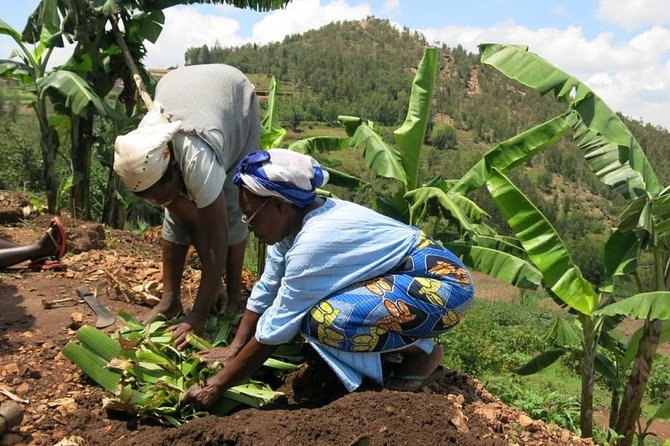
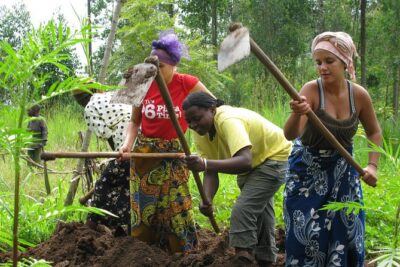
At the village, you meet the artisans and the family hosting you. The first work is simple but central to the whole visit: you cut and collect green bananas, then help place them in a hole in the ground so they can ripen.
This is the part that gives the activity its character. You are not simply watching a demonstration or sampling a finished drink. You handle the raw ingredient and see the first step in a traditional preparation method. The banana is treated as a crop with a process, not as a supermarket item that appears ready for use.
The work may be modest, but you should expect to get involved. The physical fitness requirement is listed as moderate, and the day may include carrying, digging, walking around the community, and helping with chores. If you prefer a seated cultural presentation, this is not the right fit.
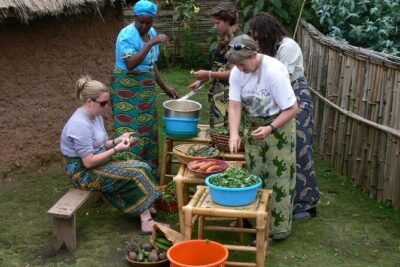
Once the bananas are buried, the schedule shifts toward household and farm tasks. You may help fetch water or continue with food preparation. The exact balance can vary, but the point is to share in some of the work that supports the meal and the visit.
One particularly appealing feature is the chance to learn through conversation. Your hosts may ask about life in your home country, and you can ask about their community in return. Those exchanges often make a rural visit feel less staged. The activity is built around meeting a family and spending time with them, not rushing through a series of photo stops.
A Rwandan lunch with your hosts
After the morning activities, you sit down to a traditional Rwandan lunch. Cassava and beans are given as examples of what may be served. Bottled water is included, and the meal is covered in the tour price.
Lunch is more than a break from digging and carrying. It gives you an hour to talk, watch the household rhythm, and understand how food fits into the visit. You can ask questions about the crops, the banana process, and daily life in the community. Your hosts may also be curious about your home and your own customs.
I appreciate that lunch is not treated as an afterthought. A meal shared at the host family’s home gives the day a natural pause and makes the cultural exchange two-sided. You are not just consuming a prepared service. You are spending time with the people who are welcoming you.
Still, keep your expectations sensible. The meal is described as traditional rather than elaborate. If you need to manage dietary restrictions, ask the provider before booking. The supplied information does not list vegetarian substitutions, allergy arrangements, or a fixed menu.
The social side receives some of the strongest praise attached to this activity. Visitors have described being welcomed warmly, laughing with the women of the community, and enjoying lively conversation. One person was dressed in traditional attire, while another took part in weaving and farm work. These details suggest that the hosts may offer more than the core banana activity, but you should treat them as possibilities rather than guaranteed items on every visit.
Digging up the ripe bananas
After about an hour at lunch, you return to the buried bananas. You dig them up and begin the next part of the juice-making process.
This change from green fruit to ripe fruit gives the day a clear story. You see the ingredient before preparation, take part in the waiting stage, and then help handle it once it is ready. The buried bananas are not just a prop for a demonstration. They are the center of the day’s work.
The supplied details do not describe every tool or step used to finish the juice, so you should not expect a formal recipe booklet or a fixed lesson plan. What is clear is that you participate in making the drink after the bananas ripen. The value lies in the hands-on process and in the setting, where the people hosting you can explain the method in their own way.
Banana juice also has a cultural place in Rwanda. It is commonly served at weddings and parties, which gives the tasting a useful bit of context. You are learning how a drink is prepared and when it is enjoyed. That makes the final glass more meaningful than a standard food sample.
Past visitors have singled out the taste of the finished juice and said the hard work felt worthwhile. That makes sense: after cutting, burying, digging up, and processing the bananas, the drink becomes the payoff for the day. If you enjoy food experiences that involve effort before eating or drinking, this part should appeal to you.
A different idea for another day in Rwanda:
- Kigali City Tour
★ 5.0 · 452 reviews - Kigali: Walking Tour with a Local Guide
★ 4.9 · 234 reviews - One-day Akagera National Park Game Drive with a Choice 4×4
★ 5.0 · 105 reviews - Private Full-day Kigali City Tour with Pickup and Lunch
★ 5.0 · 79 reviews
Extra work, weaving, and village life
The banana activity is the anchor, but the day may include other work that helps you see more of the community. Fetching water and helping with food preparation are specifically included in the planned activities. Additional accounts describe weaving, gathering crops, and cutting nappier grass for cattle.
Feeding cows may also be possible. One account describes harvesting nappier grass and feeding it to the animals, which adds a farm element to the visit. These tasks are useful because they show how food, water, crops, and livestock connect in daily life.
You should not treat every extra activity as a guaranteed part of the schedule. The core promise is banana juice making, lunch, a local guide, community hosting, and transport between Muhanga and the village. The exact chores may depend on what the family is doing that day and what you are able to help with.
That flexibility is part of the appeal, but it can also be a drawback for anyone who wants a tightly scripted tour. Come ready to participate rather than waiting for a polished performance. Modest clothes and shoes suited to outdoor work are sensible choices, though the supplied details do not set a dress code.
Dancing, laughter, and the artisan stop
The social time may continue after the juice is made. Dancing and laughter have been praised as a memorable finish, and one visitor described the end of the day as the best part. These moments are not the main product, but they help explain why the experience can feel personal.
If your hosts invite you to dance or dress you in traditional clothing, join in respectfully and follow their lead. The aim is shared enjoyment, not turning local customs into a costume show. A little willingness to laugh at your own dance skills will help.
Before returning to Muhanga, you stop at a local handicraft store or artisan market. This gives you a chance to buy souvenirs and supports the wider artisan work connected with Azizi Life. The stop also creates a gentler ending after a day of physical tasks.
The shopping portion may be less important to you if you are trying to pack light. You are not required to buy anything, and the tour price does not indicate that a purchase is included. I would see it as an optional chance to bring home something made locally, not as a major reason to book the day.
Is $90 a fair price?
At $90 per person, this is not the cheapest way to spend a day near Kigali or Muhanga. The value depends on what you want from a tour.
The price includes a local guide, lunch, bottled water, local taxes, gratuities, and transport from Muhanga to the village and back. It also covers a private activity for your group. Those inclusions reduce the need to manage separate payments during the day and give you a full program rather than a short village visit.
The strongest value comes from the time spent with the host family. An eight-hour private experience with food, transport between town and the village, practical activities, and a craft stop can make sense if personal contact is your priority. You are paying for access, organization, and a day of participation, not simply for a cup of banana juice.
The price is harder to justify if you only want to taste the drink or take a quick look at rural life. You will need to arrange transport to Muhanga separately, and the day is long. For a short visit, a lower-cost food or market activity may suit you better, though the supplied information does not provide comparisons.
Group discounts are available, which may improve the value for families or small groups. A child rate applies only when the child shares with two paying adults. Confirm the child price and transport arrangement before booking.
Who should book this experience?
I would recommend it to you if you enjoy taking part in daily activities rather than observing from the sidelines. It is especially well suited to people interested in food traditions, rural life, community-based tourism, craft work, and direct conversation with local hosts.
Couples and small groups are a natural match because the activity is private and requires at least two people. Families may also enjoy it, but the moderate fitness requirement and outdoor work mean parents should judge the day by the child’s ability to participate. The child rate rule is worth checking before you commit.
This may not suit you if you have limited mobility, dislike unstructured time, or want a short food lesson in a kitchen. The schedule can stretch to eight hours, and several stages involve physical work. Service animals are allowed, and the meeting point is near public transport, but the information provided does not describe village-level access or terrain in detail.
Book at least 96 hours before the start time. The community needs time to prepare the bananas, and an earlier booking may need to be moved to another date. Confirmation is sent within 48 hours, subject to availability. Since the activity averages booking about 12 days ahead, reserving early is sensible, especially if your Rwanda itinerary is fixed.
You can cancel for a full refund up to 24 hours before the start time. Changes or cancellations made inside that 24-hour window are not accepted for a refund.
Final verdict: book it for the people, not just the juice
You should book this day if you want a warm, hands-on connection with a Rwandan community and have enough time for the work, meal, conversation, and craft shopping. The banana process is unusual, the lunch adds real social time, and the possibility of weaving, farm tasks, traditional clothing, dancing, and laughter gives the visit a human scale.
I would skip it if you are only passing through Muhanga, cannot arrange the connection to town, or prefer a short and polished demonstration. At $90, the value is in the private access and the shared day. The juice is the theme, but the welcome, conversation, and chance to take part in ordinary tasks are the real reasons to go.
FAQ
Where does the banana juice experience begin?
It begins at Azizi Life on NR1 in Gitarama, also known as Muhanga, Rwanda.
How long does the activity last?
The experience lasts approximately five to eight hours. The planned itinerary describes an eight-hour day.
Is transport included?
Transport from Muhanga town to the village and back is included. Transport to and from Muhanga is not included, but the provider can arrange it for an additional payment.
What is included in the $90 price?
The price includes a local guide, lunch, bottled water, gratuities, local taxes, and transport between Muhanga and the village. Group discounts are available.
Do I need to book in advance?
Yes. You must book at least 96 hours before the start time so the community has enough time to prepare the bananas. Confirmation is provided within 48 hours, subject to availability.
Is this a private activity?
Yes. Only your group participates, and a minimum of two people is required per booking.
What is the cancellation policy?
You can cancel at least 24 hours before the start time for a full refund. Cancellations or changes made less than 24 hours before the start time are not accepted for a refund.
Just added around Kigali
- Kigali City Tour and Sightseeing★ 5.0 · 3 reviews
- Home staying experience★ 5.0 · 3 reviews
- 3-Day Rwanda Gorilla Safari★ 4.5 · 3 reviews
- 1 Day Rwanda Gorilla Trekking★ 5.0 · 3 reviews
- 2 Days Gorilla Trekking Rwanda★ 5.0 · 3 reviews
- Kigali: Traditional Carpet Weaving (Ikirago) + amazing views★ 5.0 · 3 reviews
- Kigali: Guided City Tour let us learn, enjoy together ❤️★ 3.6 · 3 reviews
- 1 Day Gorilla Trekking Safari in Rwanda Volcanoes National Park★ 5.0 · 3 reviews
Cultural & Traditional Village Experiences, compared.
Mount Kigali and Cultural Village Tour with Snacks
Read our review →

One Day Gorilla Trekking Rwanda & Iby’iwacu Cultural Village
Read our review →
Browse the lists this tour appears in