
Review · FOOD & DRINK
Kigali: Guided Art, History, and Food Tour with Moto Ride
Kigali reveals itself in layers. This three-hour guided tour connects the city’s painful past with its art, food, markets, and everyday street life, giving you a useful first look at Rwanda’s capital for $25 per person. Guide Aline receives especially warm praise for her friendly manner, clear explanations, language skills, and willingness to adjust the outing around your interests.
I like the strong mix of places. The Kigali Genocide Memorial gives the tour serious historical purpose, while Niyo Art Center and the food stops show Kigali as a living city rather than only a place of remembrance. I also like the use of moto taxis, which helps you cover more ground and gives you a practical introduction to one of the city’s common forms of transport.
The main consideration is time. The listed stop lengths add up to more than three hours, so the schedule may feel brisk or may vary with traffic and the pace of the group. You also pay separately for moto rides, food, and drinks, so bring cash. The memorial can be emotionally heavy, and this is not the right outing for anyone seeking a light sightseeing trip only.
In This Review
- Key points to know before booking
- Why this is a smart first look at Kigali
- Starting at the Kigali Genocide Memorial
- Niyo Art Center and contemporary Rwandan creativity
- Moto rides through Kigali’s hills
- Biryogo Car Free Food Street
- The Kigali sign and a short city-center walk
- Kimironko Market, the energetic finish
- What the $25 price really covers
- Who should book this Kigali tour?
- Should you book the art, history, and food route?
- FAQ
- Where does the Kigali tour begin?
- Where does the tour finish?
- How long does the tour last?
- What languages does the guide speak?
- Is moto transportation included in the price?
- Are food and drinks included?
- Is the Genocide Memorial audio guide included?
- What should I bring?
- Who cannot join this activity?
Key points to know before booking
- Aline is the main strength: She speaks English, French, Swahili, and Kinyarwanda, and has been praised for warmth, clear communication, and personal attention.
- The memorial sets a serious tone: You spend substantial time learning about the 1994 genocide against the Tutsi and reflecting on Rwanda’s past.
- Moto rides make the city feel accessible: They connect the stops quickly, but you must pay the drivers separately in cash.
- Niyo Art Center adds color and creativity: You see work by Rwandan and African artists, with time for photos, browsing, and perhaps a café stop.
- Food is bought separately: Biryogo Car Free Food Street and Kimironko Market offer a chance to try local tastes and shop for goods.
- It suits active first-time visitors: Expect walking, outdoor sections, market crowds, and a serious museum visit rather than a relaxed bus tour.
Why this is a smart first look at Kigali
Kigali can be hard to understand from a car window. Its hills, neighborhoods, markets, galleries, and memorial sites are spread across the city, and a first-time visitor may not know how to connect them.
This tour gives you a simple framework. You begin with national memory, move into contemporary art, stop for local food, take photos in the city center, and finish among vendors and shoppers at Kimironko Market. That sequence works because it moves from reflection to daily life without pretending that one cancels out the other.
Aline’s role adds practical value. Several people who booked alone felt comfortable with her quickly, and her friendly approach seems to make questions easier. She has also helped visitors understand moto transport, including how to direct a driver to a meeting point and how to manage the ride. That kind of local help can be more useful than another list of landmarks.
The tour is also flexible in practice. Aline has adjusted visits for personal interests, including taking an art-focused participant to two galleries instead of one. That does not guarantee a custom itinerary every time, but it suggests you should tell her what matters to you before setting out.
More Food Experiences in Kigali:
- Rwanda Half-Day Walking Food Tour
★ 5.0 · 35 reviews - Food Walking Tour – Nyamirambo, Kigali
★ 3.8 · 8 reviews - Kigali City Tour with Local Expert & Local Food
★ 5.0 · 8 reviews
Starting at the Kigali Genocide Memorial
The tour begins at the main entrance of the Kigali Genocide Memorial. Look for the check-in room and a guide wearing a uniform with the Tourwithaline logo. The meeting point is marked at the gates, and you should provide a working contact number so the guide can reach you there.
Plan for a respectful start. The memorial explains the genocide against the Tutsi and places Rwanda’s past in a wider historical setting. The visit is not a quick photo stop. You may spend around an hour and a half here, making it the longest part of the tour.
I consider this a major reason to book the experience, especially if you are new to Rwanda. A guide can help place the exhibits in context and answer questions that may arise. Aline has been praised for explaining the subject with care and for sharing personal family perspective when appropriate.
Still, you should prepare yourself emotionally. This is a solemn place, not an attraction to rush through with a camera. Speak quietly, follow the site’s rules, and give yourself room to process what you see. An optional audio guide is available at an extra cost, but it is not included.
The memorial also affects the mood of the rest of the outing. You will soon move to art and food, but the history does not disappear. For many people, that contrast makes the day more meaningful. For others, it may feel like a lot to take in during one short tour.
Niyo Art Center and contemporary Rwandan creativity
The next artistic stop is Niyo Art Center, where you can see work by Rwandan and African artists. The visit is listed at about 20 minutes, so expect an introduction and a focused look rather than a long gallery session.
That short visit can still work well because the center changes the pace. After the memorial, paintings and other artwork bring you into present-day Rwanda, with color, personal stories, and cultural ideas taking center stage. You may find artwork and souvenirs to browse, and the center has an attached café.
One particularly useful detail is the café. A mango smoothie received special praise, and a visit here may give you a pleasant pause before the food and market sections. Food and drinks are not generally included, so budget separately if you want something from the café.
Art lovers should mention their interests to Aline. One person with a strong interest in art received an adjusted visit to two galleries. The standard plan names Niyo Art Center, but the guide may be able to shape the conversation or timing around what you want to see.
The drawback is limited time. If you like to study every piece or shop carefully, 20 minutes can pass quickly. Think of this as an introduction to Kigali’s creative scene, not a full gallery crawl.
Moto rides through Kigali’s hills
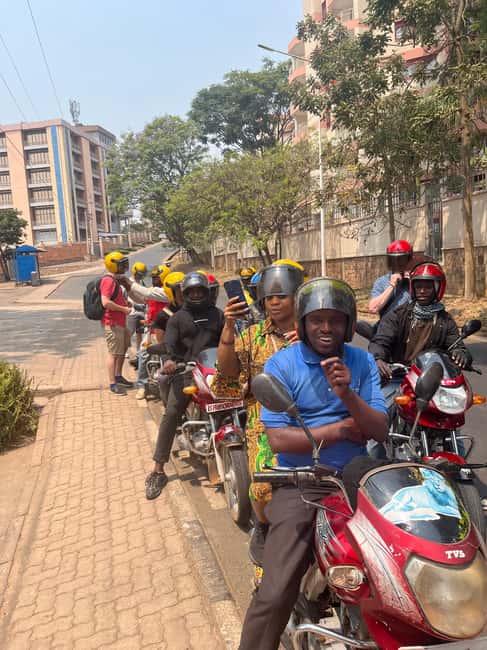
Moto transport links several parts of the tour. You ride from the art center toward Biryogo, then later continue toward Kimironko Market. This is not just a transfer between attractions. It lets you see more of Kigali at street level and gives you a practical lesson in using motorcycle taxis.
The rides add energy to the outing. You move through the city instead of spending the whole tour inside a vehicle, and the hills of Kigali become part of the experience. For a first day in town, this can help you get your bearings quickly.
You must bring cash for the moto drivers. Moto transport is not included in the $25 price, and meals and drinks are also separate unless specifically arranged. Ask Aline early in the tour how much cash you should set aside, since the exact amount is not provided here.
This transport is not suitable for everyone. Pregnant women, children under five, and wheelchair users are excluded from the activity. One person with a sports injury skipped the motorcycles and still completed the main sightseeing by another arrangement, but you should discuss any mobility or health concern with the provider before booking.
Wear shoes that handle walking, carry water, and use sunscreen. You will combine rides with time on foot, and the outdoor sections may feel hot even though Kigali’s climate can be comfortable at times. Smoking is not allowed during the activity.
A different idea for another day in Rwanda:
- Kigali City Tour
★ 5.0 · 452 reviews - Kigali: Walking Tour with a Local Guide
★ 4.9 · 234 reviews - One-day Akagera National Park Game Drive with a Choice 4×4
★ 5.0 · 105 reviews - Private Full-day Kigali City Tour with Pickup and Lunch
★ 5.0 · 79 reviews
Biryogo Car Free Food Street
The food portion takes you to Biryogo Car Free Food Street, where you can sample local dishes and drinks. The street is in a Muslim quarter, adding another layer to the city’s culture and food traditions.
This is a good place to let Aline guide your choices. The tour includes food tasting, but the cost of meals and drinks is not included in the listed price. Bring cash and tell her about allergies, dietary limits, or foods you want to try.
The stop is listed at about one hour, making it one of the more relaxed parts of the route. You can eat, talk, and ask questions about Rwandan cuisine without the pressure of a formal restaurant meal. Some bookings included local meals and drinks, with Rwandan coffee also mentioned as part of the experience.
Do not expect a fixed tasting menu unless your booking specifically says otherwise. What you eat may depend on what is available, what you choose, and how much you want to spend. That is part of the appeal, but it also means the food element is less predictable than a prearranged meal.
For me, this stop gives the tour its most human rhythm. You are not only looking at Kigali. You are sitting, tasting, asking, and watching city life pass by.
The Kigali sign and a short city-center walk
After Biryogo, you walk toward the Kigali sign in the city center for photographs. The photo stop is listed at around 30 minutes, though the exact time may depend on walking pace and traffic.
The sign is a simple stop, but it serves a practical purpose. It gives you a recognizable city-center photograph and a short break between the food street and the final market visit. Aline has also been praised for taking good photos, which is useful if you are traveling alone.
Do not expect a long city-center tour from this part alone. The value is in the transition, the pictures, and the chance to continue asking questions while walking. If photography matters to you, tell Aline early so she can allow enough time.
Kimironko Market, the energetic finish
The tour ends at Kimironko Local Market, one of the best places on this route to see everyday commerce and local craftsmanship. You find colorful produce, clothing, souvenirs, and other goods, with vendors and shoppers creating a lively final scene.
The market visit is listed at about 30 minutes. That is enough for a first look and a few purchases, but not enough for a slow, thorough shopping session. If you want gifts or fabrics, decide in advance what you are looking for so you can use the time well.
Aline can help with bargaining and with understanding prices. One person specifically credited her help with getting good prices on gifts. You should still keep your own budget in mind and avoid assuming that every first price is the final one.
Ending here makes sense. You finish with practical contact with Kigali’s daily life, rather than returning to a hotel or ending at a polished tourist site. The market is also a useful place to continue exploring on your own, although the tour itself ends there.
What the $25 price really covers
At $25 per person, this is strong value if you want a guide, historical interpretation, art, food orientation, and neighborhood access in one compact outing. A private or very small group can make the price feel even better, especially for solo visitors who want company without joining a large coach group.
The price does not cover everything. You pay separately for:
- Moto rides
- Meals and drinks, unless your booking specifies otherwise
- The optional audio guide at the memorial
- Hotel pickup and drop-off
That keeps the base cost low, but you should not arrive with only the tour fee. Carry cash for transport, food, drinks, and market purchases.
The three-hour duration is convenient for a first day, a short stay, or a morning before another activity. But the published stop durations total more than three hours, so confirm the start time and expected finish when booking. Traffic, waiting for motos, meal choices, and group size can all affect the pace.
Free cancellation up to 24 hours before the start and reserve-now, pay-later booking make it easier to fit into a changing schedule. Those terms are useful, but the real value comes from Aline’s personal guidance and the range of experiences packed into a short route.
Who should book this Kigali tour?
I would recommend it most strongly to first-time visitors, solo visitors, and anyone who wants a friendly introduction rather than a formal lecture. Aline’s ability to speak four languages is helpful for English, French, Swahili, and Kinyarwanda speakers.
It suits you if you want:
- A serious but accessible introduction to Rwanda’s recent past
- A taste of local food without planning every stop yourself
- A short look at Rwandan art
- Help using moto taxis
- Market time and shopping advice
- A guide who can answer questions and adjust the day when possible
It may not suit you if you dislike motorcycle transport, need step-free access, have a condition that makes riding or walking difficult, or want a slow museum and gallery schedule. It is also not ideal if you want a food tour with all tastings included in advance.
Should you book the art, history, and food route?
Yes, if you want one compact outing to introduce you to Kigali’s past and present. The strongest reasons are Aline’s personal approach, the thoughtful combination of the memorial and art center, and the chance to use local transport, eat in Biryogo, and shop at Kimironko.
Book it early in your Kigali stay if possible. You will learn how moto rides work, get a feel for the city’s neighborhoods, and gather ideas for places to return to later. Just bring cash, wear good walking shoes, allow for a serious memorial visit, and confirm how the three-hour schedule will be handled.
At $25, this is a practical way to meet Kigali through its stories, food, art, and people. It offers more than a checklist of sights, but you need to be ready for a busy pace and a few expenses beyond the booking price.
FAQ
Where does the Kigali tour begin?
It begins at the main entrance of the Kigali Genocide Memorial. Look for the clearly marked check-in room and a guide wearing a uniform with the Tourwithaline logo.
Where does the tour finish?
The tour finishes at Kimironko Local Market.
How long does the tour last?
The stated duration is three hours. The listed stop times add up to more than three hours, so confirm the timing when you book.
What languages does the guide speak?
The guide service is available in English, French, Swahili, and Kinyarwanda.
Is moto transportation included in the price?
No. Moto transport is not included, so bring cash to pay the drivers separately.
Are food and drinks included?
Meals and drinks are not included unless your booking specifically states otherwise. Bring extra cash if you want to eat or drink during the Biryogo stop or at Niyo Art Center.
Is the Genocide Memorial audio guide included?
No. An audio guide is optional and costs extra.
What should I bring?
Bring comfortable walking shoes, water, sunscreen, a camera, and cash. You should also provide a contact number so the guide can reach you at the meeting point.
Who cannot join this activity?
The experience is not suitable for children under five, pregnant women, or wheelchair users. Smoking is also not allowed.
More Historical Tours
- Kigali City Tour: History, Art and Local Highlights.
★ 4.6 · 20 reviews - One Day Golden Monkey and Cultural tour
★ 4.0 · 7 reviews
Just added around Kigali
- Kigali City Tour and Sightseeing★ 5.0 · 3 reviews
- Home staying experience★ 5.0 · 3 reviews
- 3-Day Rwanda Gorilla Safari★ 4.5 · 3 reviews
- 2 Days Gorilla Trekking Rwanda★ 5.0 · 3 reviews
- 1 Day Rwanda Gorilla Trekking★ 5.0 · 3 reviews
- Kigali: Traditional Carpet Weaving (Ikirago) + amazing views★ 5.0 · 3 reviews
- Kigali: Guided City Tour let us learn, enjoy together ❤️★ 3.6 · 3 reviews
- 1 Day Gorilla Trekking Safari in Rwanda Volcanoes National Park★ 5.0 · 3 reviews
Food & Drink, compared.

Local Community Tour(Cultural, Coffee,Village walk,Local food)
Read our review →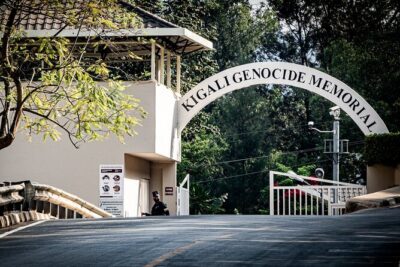

Browse the lists this tour appears in